
UK Local Election Results 2026: Council Shifts and Service Impact
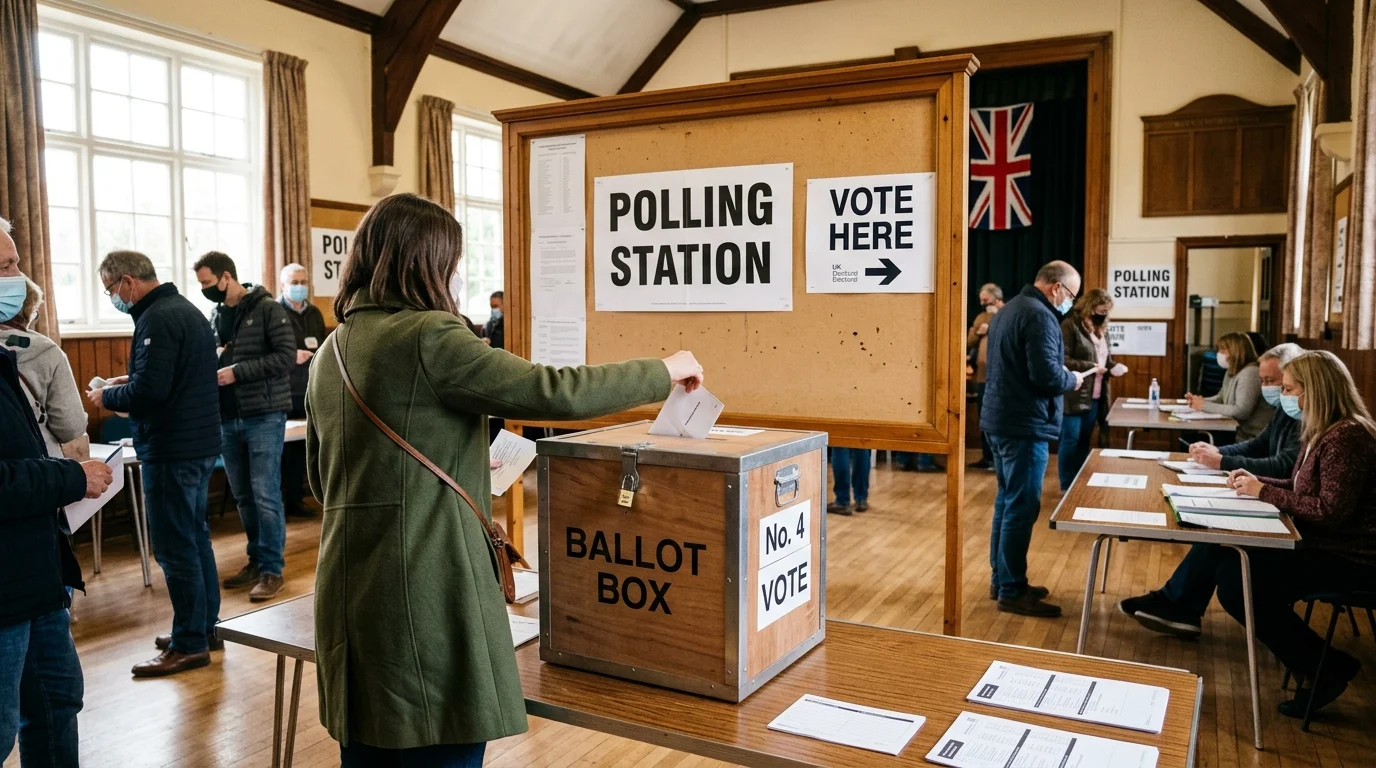
Residents across England and Wales are facing immediate changes to local governance following the May 7, 2026, local elections. With final results declared today, May 8, several key metropolitan boroughs have shifted political control, signaling upcoming adjustments to council tax strategies, waste management schedules, and local housing developments for the remainder of the 2026/27 fiscal year. The transition of power in hubs like Birmingham and Leeds is expected to trigger a review of existing service contracts and affordable housing projects within the first 100 days of the new administrations.
Shifts in Metropolitan Council Leadership
The 2026 local elections saw significant movement in several high-profile councils. In Birmingham, the administration’s focus on financial recovery has led to a reshaped cabinet, while in Leeds and specific London boroughs, housing policy emerged as the decisive factor for voters. The following table outlines the confirmed changes in control for major metropolitan areas as of May 8, 2026.
| Council | Previous Control | New Control | Primary Policy Focus |
|---|---|---|---|
| Birmingham City Council | Labour | No Overall Control | Financial Restructuring |
| Leeds City Council | Labour | Labour (Retained) | Sustainable Transport |
| London Borough of Barnet | Labour | Conservative | Planning Reform |
| Wandsworth Council | Labour | Labour (Retained) | Social Housing Targets |
| Solihull MBC | Conservative | No Overall Control | Green Belt Protection |
Impact on Council Tax and Household Budgets
With the 2026/27 fiscal year already underway, newly elected leaders are inheriting budgets set by their predecessors, yet many have signaled an intent to utilize mid-year adjustments or supplemental levies where permissible. In councils where the Liberal Democrats or Green Party have gained influential ‘kingmaker’ positions, there is an increased likelihood of ‘green levies’ or targeted increases to fund local environmental projects.
Conversely, in boroughs where the Conservative Party regained ground, campaign promises centered on capping council tax increases below the 4.99% referendum threshold. Residents in these areas may see a freeze in discretionary spending to offset the rising costs of adult social care, which remains the largest single expenditure for most upper-tier authorities. The Department for Levelling Up, Housing and Communities (DLUHC) has indicated it will monitor these new administrations closely to ensure statutory service levels are maintained during these fiscal transitions.
Local Planning and Housing Policy Revisions
Housing was a central pillar of the 2026 campaigns, particularly in London and the Southeast. The shift in control in several boroughs is expected to result in an immediate pause on pending large-scale planning applications. New administrations in metropolitan areas have indicated a shift away from high-density private developments in favor of increased social rent quotas.
In Birmingham, the new leadership is expected to prioritize the ‘brownfield first’ initiative, potentially slowing down developments on the city’s periphery while incentivizing urban regeneration. For residents, this means a likely change in how local planning committees evaluate extensions and neighborhood-level developments, with a greater emphasis on environmental impact assessments and community infrastructure contributions.
Operational Changes to Waste and Environmental Services
One of the most visible impacts of a change in council control is the management of frontline services, specifically bin collections and street cleansing. Several councils that moved to ‘No Overall Control’ saw campaigns focused on the frequency of residual waste collection.
In Leeds, the retained Labour administration has committed to expanding food waste recycling programs to all households by late 2026. However, in boroughs where leadership has changed, residents should prepare for potential consultations on moving from fortnightly to three-weekly general waste collections as councils seek to meet national recycling targets while managing budget deficits. These operational shifts are often the first tangible changes residents experience following a change in the local political landscape.
Voter Engagement and Turnout Trends
Preliminary data from the Local Government Association indicates a varied turnout across the country, with metropolitan areas seeing a slight increase in engagement compared to the 2022 cycle. Turnout in Birmingham hovered around 34%, while key London boroughs reported figures closer to 42%. Analysts suggest that the direct link between local council decisions and the ongoing cost-of-living challenges drove higher participation in areas where council tax and social housing were primary ballot-box issues. The final verification of all seats is expected by late this evening, providing a complete picture of the UK’s local political map for the next four years.
Source: gov.uk

Comments