
Leeds to transform former Seacroft eyesore into 79 council homes

The demolition of the eight medium-rise blocks at Kingsdale Court is now complete, leaving a clear footprint in the Boggart Hill area of Seacroft. For years, the site was a visual and social blight on the local landscape, but new plans from Leeds City Council indicate a rapid transition toward high-quality residential use. The local authority has released detailed proposals for a 79-home development designed to address the pressing need for affordable social housing in the city.
This project represents a significant shift from the site’s troubled past. The former complex, built in the 1960s, became synonymous with poor living conditions and persistent anti-social behavior. By acquiring the 88 privately owned flats and the freehold last year, the council took direct control of the area’s regeneration. The newly released plans suggest a layout that prioritizes open space and modern architectural standards over the high-density, neglected structures of the previous era.
A mix of family houses and apartments for Seacroft
The proposed development is split into two distinct housing types to cater to different demographics on the Leeds housing register. The plans include 20 houses, featuring a mix of two and three bedrooms, aimed at families requiring more space and private gardens. Alongside these, two new buildings will provide 59 apartments, offering one and two-bedroom options suitable for smaller households or individuals.
Beyond just providing roofs, the council is emphasizing the environmental performance of these new builds. Each home is slated to meet exacting energy efficiency standards, a move intended to keep utility bills low for future tenants while contributing to the city’s wider carbon reduction goals. The site will also feature landscaped outdoor areas, moving away from the concrete-heavy design that characterized the former Kingsdale Court.
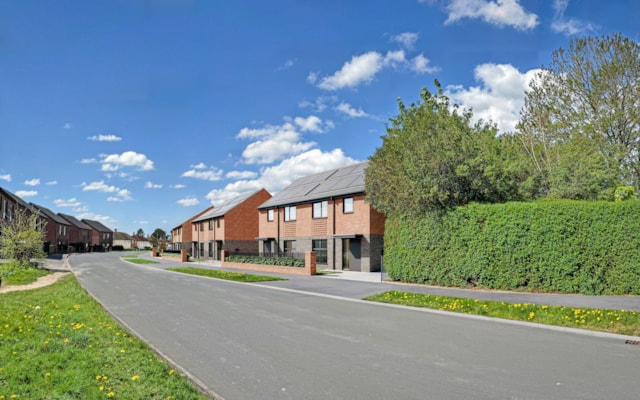
From 1960s neglect to modern energy-efficient living
The history of Kingsdale Court serves as a backdrop to why this redevelopment is being closely watched by Seacroft residents. For decades, the privately owned blocks suffered from dwindling occupancy and a lack of unified management, which allowed crime and maintenance issues to spiral. The council’s intervention via the Council Housing Growth Programme is designed to ensure these new homes remain a permanent, well-managed asset for the community.
Councillor Mary Harland, the executive member for housing, noted that the demolition’s completion is a milestone in the city’s commitment to providing good-quality, energy-efficient and affordable council housing. The programme has already delivered hundreds of homes across Leeds, and the Seacroft site is one of the most significant brownfield transformations currently in the pipeline.
How to view the plans and share your feedback
Before the formal planning application is submitted, the council is seeking direct input from those living and working in Seacroft. Nearly 500 leaflets have been distributed to local properties, but residents can also engage with the plans in person. A drop-in event is scheduled at St Richard’s Church on Ramshead Hill for Monday, May 18, between 2:00 pm and 7:30 pm. Council representatives will be on hand to answer questions regarding the layout, construction timelines, and eligibility.
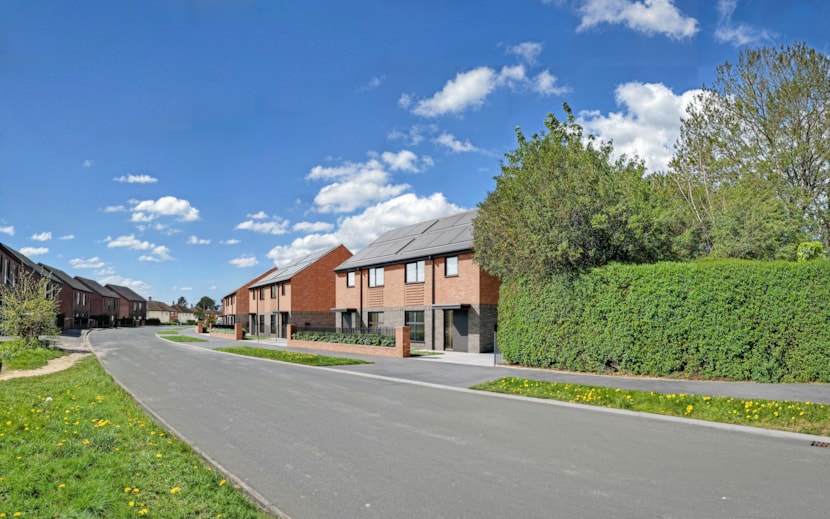
For those unable to attend the Monday session, display boards detailing the scheme will be hosted at Deacon House on Seacroft Avenue from May 19 to May 25. Feedback is being collected through several channels to ensure the final planning application reflects local concerns. Residents can submit their views online via the councilhousinggrowth.commonplace.is website or by emailing the project team directly at [email protected].
The deadline for this initial round of feedback is May 25. Once the planning application is formally lodged, a further statutory consultation period will follow, allowing for official comments on the public record. If the plans receive the green light later this year, construction crews are expected to break ground at the Boggart Hill site in early 2027.
Source: Leeds City Council



Comments