
UK parents urged to follow childhood vaccine guidance

The Medicines and Healthcare products Regulatory Agency (MHRA) has reaffirmed that routine childhood vaccines used in the UK are safe, effective and not linked to autism.
Parents and carers are advised to continue following NHS vaccination guidance to help protect children from preventable illnesses including measles, meningitis and whooping cough. Those with questions about a child’s vaccinations should speak to a healthcare professional.
MHRA statement on vaccine safety
Dr Alison Cave, the MHRA’s Chief Safety Officer, said multiple large, well-conducted studies involving millions of children worldwide have consistently found no evidence that vaccines cause autism in children.
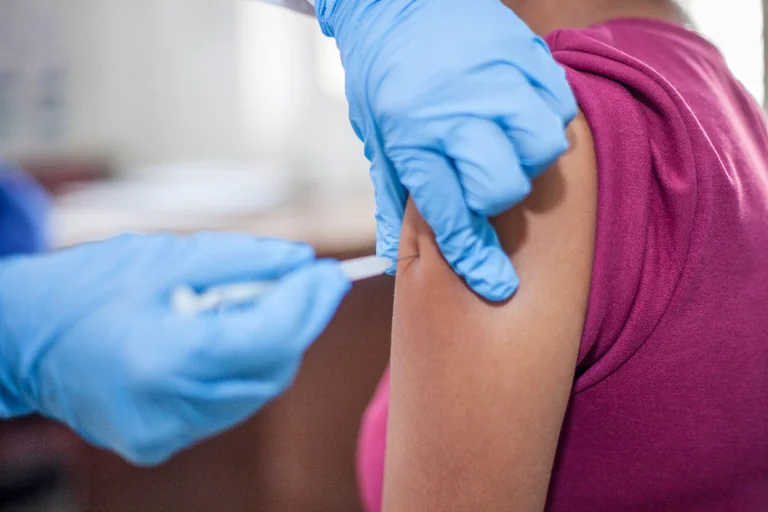
She said vaccination remains one of the safest and most effective ways to protect against serious and potentially life-threatening infectious diseases. The NHS and major UK public health and paediatric bodies support the recommended routine childhood vaccination schedule.
The MHRA regulates medicines and medical devices in the UK. Before a vaccine is approved for use, it must meet strict standards for safety, quality and effectiveness. The childhood schedule is informed by evidence-based recommendations from the Joint Committee on Vaccination and Immunisation and supported by NHS clinical guidance.

Research cited by the regulator
The agency’s statement points to international research, including national registry and sibling-controlled studies. It cites a 2026 study of 2.56 million US children which found no association between receiving the MMR vaccine before the age of two and childhood autism.
A previous meta-analysis covering more than 1.26 million children in cohort studies and nearly 10,000 children in case-control studies also found no association between vaccination and autism or autism spectrum disorder.
The MHRA also addressed vaccine adjuvants, substances used in some vaccines to strengthen the body’s immune response. Aluminium is one such adjuvant, although it is not used in the MMR vaccine. The regulator said a recent large-scale study found no evidence that early exposure to aluminium-containing childhood vaccines increased the risk of neurodevelopmental disorders, including autism.
Ongoing safety checks and trusted guidance
Approval is not the end of the MHRA’s oversight. The regulator says it continuously monitors vaccine safety through the Yellow Card scheme, analysis of large healthcare datasets, international safety information and review by independent scientific experts.
Parents, carers and healthcare professionals can report a suspected side effect through the Yellow Card scheme. A report does not by itself establish that a vaccine caused the effect, but contributes to ongoing safety surveillance.
The MHRA has also published a vaccine safety patient factsheet explaining how vaccines work and how their safety is assessed. It said it would promptly update guidance and information for healthcare professionals and the public if new evidence indicated a change in vaccine safety.
Source: Medicines and Healthcare products Regulatory Agency News
Context & actions About this article
Source check Source trail
This report is based on the MHRA’s published safety statement and the studies and monitoring processes it identifies.
- Confirmed the publication date and attribution to the MHRA.
- Checked the regulator’s stated position on autism and routine childhood vaccines.
- Checked the cited study population for the 2026 MMR research.
- Distinguished suspected side-effect reporting from proof of causation.
- Source
- MHRA: childhood vaccination safety statement
- Scope
- United Kingdom
- Updated
- 2026-08-12 18:15
Source check
Report a trust issue
Send a clear signal to community moderation if the source, facts or context need review.




Comments