
Very High Pollen Alert for London and South East Today
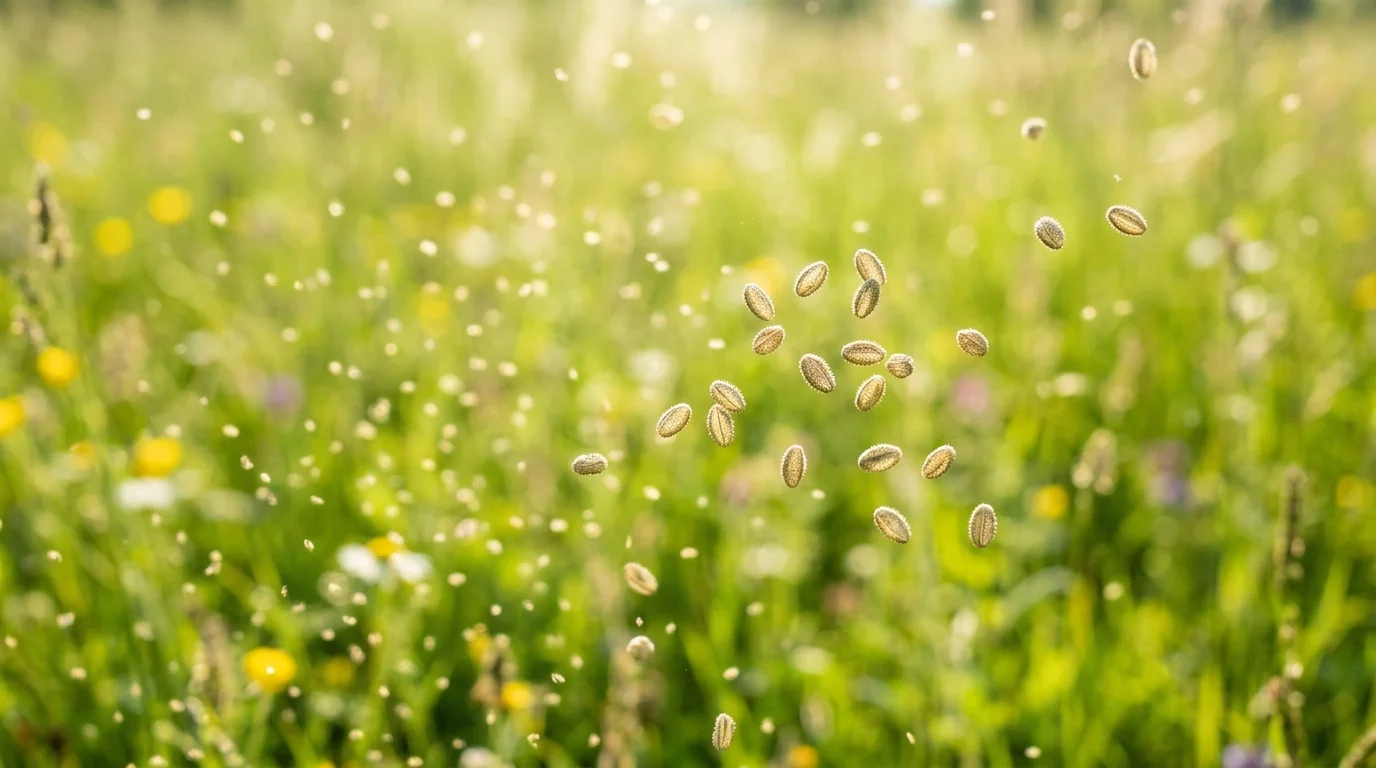
The Met Office has issued a ‘Very High’ pollen alert for Thursday, May 21, 2026, across London, the South East, and the East of England. A combination of rising temperatures and the peak of the grass pollen season has created what experts describe as a ‘pollen bomb’ effect, where high concentrations of allergens are released simultaneously. With approximately 10 million hay fever sufferers in the UK, health officials are advising residents in these regions to take immediate preventative measures to manage symptoms.
While the southern regions face the highest risk from grass pollen, the Met Office notes that tree pollen—specifically Oak—remains a significant factor for those in northern parts of the UK. Sufferers may experience increased sneezing, itchy eyes, and respiratory discomfort throughout the day as counts remain elevated until sunset.
Regional Pollen Forecast for May 21, 2026
| Region | Pollen Level | Primary Trigger |
|---|---|---|
| London | Very High | Grass |
| South East England | Very High | Grass |
| East of England | Very High | Grass |
| Midlands | High | Grass & Tree |
| Northern England | Medium | Tree (Oak) |
| Scotland | Medium | Tree (Oak) |
Practical Steps to Manage Hay Fever Symptoms
To mitigate the impact of today’s high pollen count, the NHS recommends several practical adjustments to daily routines. These steps are designed to create physical barriers against pollen and reduce the amount of allergens brought into the home.
- Create a Pollen Barrier: Apply a small amount of petroleum jelly (such as Vaseline) around the rim of your nostrils to trap pollen before it is inhaled.
- Protective Eyewear: Wear wrap-around sunglasses when outdoors to shield your eyes from airborne particles.
- Laundry Management: Avoid drying clothes, towels, or bedding on outdoor washing lines today. Pollen grains easily attach to damp fabrics and can be transferred indoors.
- Indoor Hygiene: Keep windows and doors closed as much as possible, especially during the early morning and late evening when pollen levels typically peak. Showering and changing clothes after being outside can also help remove lingering allergens.
Understanding the ‘Pollen Bomb’ Effect
A ‘pollen bomb’ occurs when a period of rain or cooler weather is followed by a sudden spike in temperature. This sequence causes plants to release a massive volume of pollen all at once rather than gradually. Because the current conditions coincide with the peak of the grass pollen season—the most common trigger for UK hay fever—the concentration in the air is significantly higher than average. Residents are encouraged to check the Met Office daily forecast to plan outdoor activities during periods of lower activity.
Frequently Asked Questions
Why is the pollen count so high in London and the South East today?
Today’s ‘Very High’ alert is caused by a phenomenon known as a ‘pollen bomb.’ This occurs when a period of rising temperatures coincides perfectly with the peak of the grass pollen season. In London and the South East, the heat triggers a simultaneous release of massive concentrations of allergens into the air, which can be significantly more distressing for hay fever sufferers than a standard high-pollen day.
What are the best ways to stop pollen from entering my home during a peak alert?
To keep your indoor environment a ‘safe zone,’ follow these specific steps:
- Shower and Change: As soon as you return home, shower and wash your hair to remove grains trapped in your skin and clothing.
- Pet Hygiene: Wipe down pets with a damp cloth after they have been outside to prevent them from carrying pollen into living areas.
- HEPA Filtration: If possible, use an air purifier with a HEPA filter to actively scrub airborne particles from your rooms.
- Window Discipline: Keep windows tightly shut between 5:00 AM and 10:00 AM, and again in the late evening, as these are the peak times for pollen to settle near the ground.
How does this high pollen alert affect commuters and outdoor workers in the city?
Commuters should expect increased respiratory irritation and watery eyes, which can impact concentration and safety. If driving, keep your car windows closed and set your air conditioning to ‘recirculate’ mode to prevent external air from being pulled through the vents. For those working outdoors, it is essential to wear a high-quality face mask (like an FFP2) which can filter out microscopic pollen grains, and take regular breaks indoors during peak sunlight hours.
When will this ‘pollen bomb’ subside and where can I find real-time updates?
While pollen levels typically drop slightly after sunset as the air cools, the ‘Very High’ status is expected to persist as long as the current warm weather pattern continues. You can monitor live local updates via the Met Office weather app or their official website. If your symptoms become unmanageable or you experience severe wheezing, consult the NHS 111 online service or your local pharmacist for advice on stronger antihistamines or nasal sprays.
Source: Met Office



Comments