
Vilnius Heating Network: €9M Upgrade for 8 Major Districts
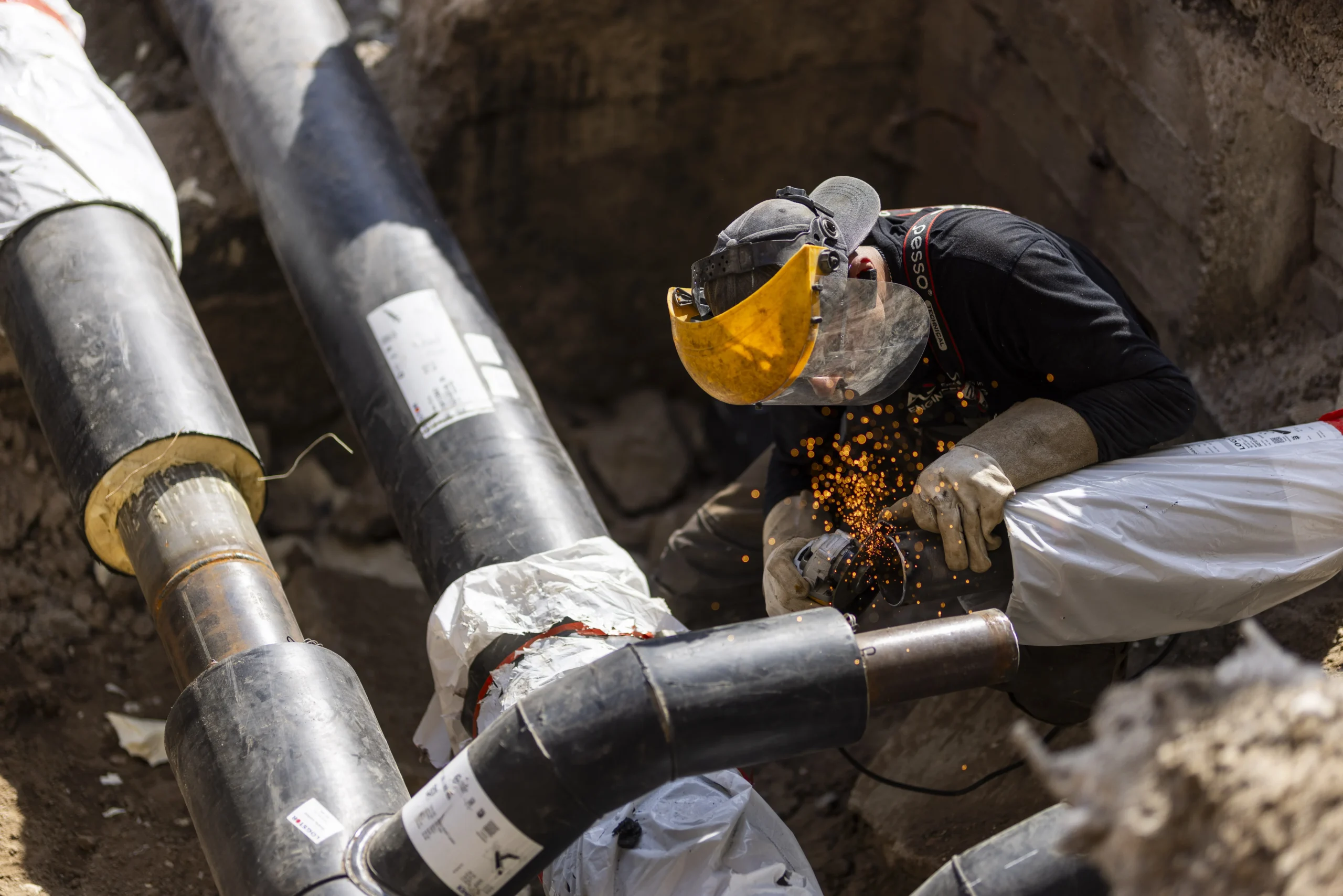
Vilnius is accelerating its transition toward a more resilient energy infrastructure as the city’s utility manager, Gijos, launches a massive €9 million overhaul of the capital’s heating network. With the winter season approaching, the project aims to reconstruct nearly 9 kilometres of underground pipelines, targeting some of the most densely populated residential and commercial areas in the city.
This investment is part of a strategic multi-year plan to modernise a system that is both the largest and most complex in Lithuania. Spanning a total of 778 kilometres, the Vilnius district heating network relies on a vast web of subterranean pipes that must navigate the city’s unique hilly terrain. For residents in the affected zones, the project brings a mix of short-term disruption and the promise of long-term energy security.
Affected Districts and Resident Impact
The reconstruction works are concentrated in eight key districts where infrastructure has reached a critical age. In many of these areas, the existing pipelines were installed over half a century ago, during the Soviet era. Decades of corrosion have led to micro-cracks, significant heat loss, and an increased risk of mid-winter pipe bursts.
The following areas will see active construction and potential service interruptions:
| District | Primary Impact Type |
|---|---|
| Antakalnis & Šnipiškės | Hot water outages and courtyard excavations |
| Lazdynai & Žirmūnai | Temporary traffic restrictions and parking reductions |
| Žvėrynas & Naujamiestis | Basement pipe replacements and pedestrian path closures |
| Vilkpėdė & Šeškinė | Mobile boiler deployments and infrastructure upgrades |
Andrius Agintas, Head of the Infrastructure Team at Gijos, emphasizes that while the work is disruptive, it is a mathematical necessity. Modern diagnostic tools identify the sections most prone to failure each year, and the current 9km stretch represents the highest-priority risks for the upcoming 2024-2025 heating season.
The Technology of Modern District Heating
Unlike the individual gas boiler systems common in many UK households, Vilnius utilizes a centralized district heating model. While this is highly efficient at scale, its performance depends entirely on the insulation and integrity of the transmission lines. The new generation of pipes being installed features significantly improved thermal insulation, which drastically reduces heat loss as water travels from the plant to the radiator.
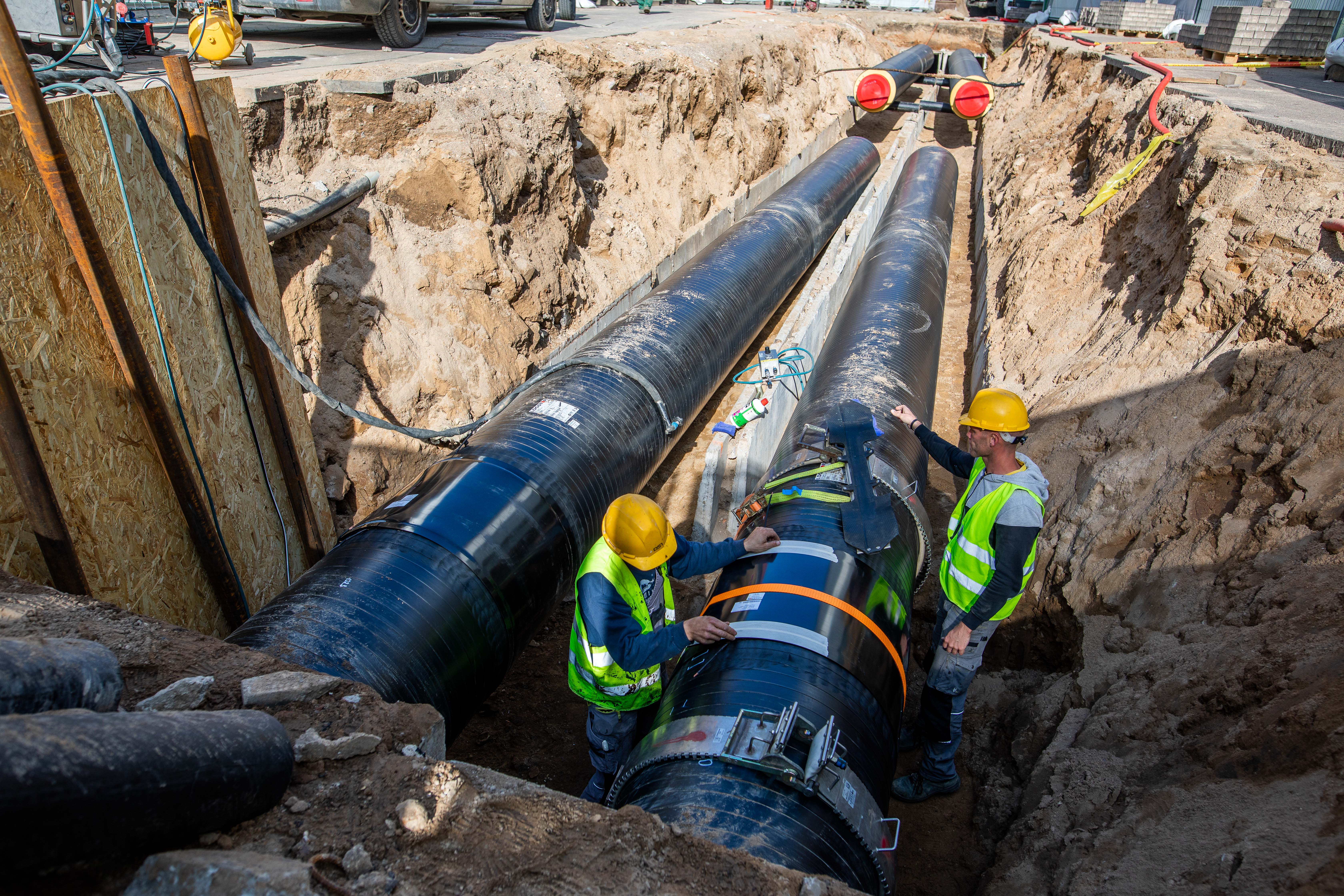
Beyond insulation, these new systems are equipped with integrated digital monitoring. Sensors embedded within the pipe casing can detect moisture ingress or structural defects in real-time. This allows technicians to pinpoint the exact location of a potential leak before it becomes a full-scale emergency, preventing the large-scale excavations that were historically required to find a single fault.
Managing Temporary Disruptions
For the residents of Vilnius, the most immediate concern is the temporary loss of hot water. Gijos has stated that while they utilize temporary bypass pipes and mobile boilers to maintain service where possible, some stages of the work require a total shutdown. These outages can last up to five days.
To mitigate the impact, the company is utilizing a direct communication strategy, sending SMS alerts and emails to residents in specific blocks well in advance of the work. Traffic restrictions are also expected, particularly in the narrow streets of Naujamiestis and the busy transit corridors of Šnipiškės.
Rūta Jasiulionienė, Head of the Customer Team, noted that community engagement has been high. Residents in the affected courtyards have been invited to meetings to discuss the logistics of car parking and access during the heavy machinery phase. The goal is to complete the most invasive works before the official start of the heating season, typically in October, to ensure that once the temperatures drop, the city’s energy ecosystem is fully sealed and operational.
Source: ELTA


Comments