
Lithuania Paves the Way for Tram Networks with New Legal Status
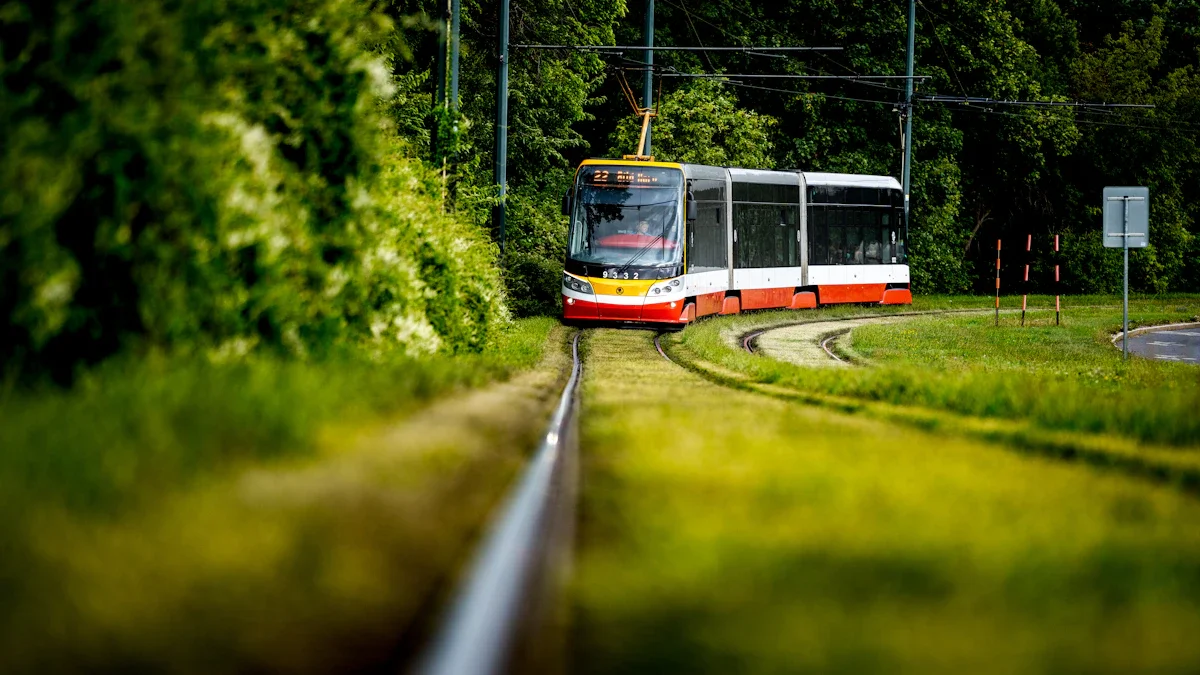
The Lithuanian Parliament (Seimas) has taken a foundational step toward modernizing the nation’s urban infrastructure by approving a draft amendment to the Road Transport Code. This legislative move officially recognizes the tram as a legitimate and equal form of passenger transport, providing the necessary legal framework for cities—most notably Kaunas—to begin planning light rail systems.
The proposal, spearheaded by Simonas Kairys, Deputy Chair of the Liberal Movement parliamentary group, passed its first reading on Thursday. The amendment seeks to empower major municipalities to overhaul their public transport networks by integrating rail-based solutions that have long been absent from the Lithuanian urban landscape. By establishing a formal legal definition, the Seimas is signaling to the Ministries of Transport, Environment, Interior, and Finance that they must now prepare the regulatory and financial conditions for this transition.
A Legislative Foundation for Urban Rail
For decades, Lithuanian cities have relied almost exclusively on buses and trolleybuses. The lack of a clear legal status for trams meant that any city-wide rail project faced a bureaucratic vacuum regarding traffic rules, safety standards, and funding eligibility. The new amendment defines a tram as a “city rail vehicle, usually located at street level and operating according to road traffic rules, adapted for the carriage of passengers and, in rare cases, freight.”
This definition is crucial for the integration of trams into existing urban grids. Unlike heavy rail or metro systems, the proposed tram model is designed to coexist with car traffic and pedestrians, mirroring the modern light rail systems found in many Western European and Nordic cities.
Lessons from the Nordic Model
In advocating for the change, Kairys pointed to the success of the tram system in Tampere, Finland, which launched in the summer of 2021. The Tampere project serves as a blueprint for how a mid-sized city can revitalize its economy and climate policy through rail. Before the project, skeptics were numerous, yet the results have been transformative for the Finnish city.
| Metric | Before Tram (Tampere) | After Tram Implementation |
|---|---|---|
| Annual Public Transport Trips | 41 Million | 56 Million |
| Public Approval Rating | Low/Skeptical | Over 90% |
| Primary Impact Areas | Traffic Congestion | Real Estate & Investment |
Kairys noted that the tram has become a central part of Tampere’s identity, driving significant investment in residential construction and commercial development along the rail lines. The Lithuanian proposal aims to replicate this “transit-oriented development,” where the transport system itself acts as a catalyst for urban renewal and property value increases.
The Path to Implementation in Kaunas
While the legislation applies nationally, the immediate focus is on Kaunas, Lithuania’s second-largest city. Kaunas has long debated the feasibility of a tram system to connect its sprawling residential districts with the historic center and the growing industrial zones. With the legal barrier removed, the city can now move from abstract discussions to concrete feasibility studies and funding applications.
However, the road to the first track being laid remains long. The bill must now undergo further scrutiny in parliamentary committees. Following that, several ministries must coordinate to establish the technical requirements for infrastructure and vehicle safety.
The financial implications are also significant. Proponents argue that while the initial capital expenditure for tram lines is higher than for bus lanes, the long-term benefits—including lower carbon emissions, higher passenger capacity, and a 30-40 year vehicle lifespan—outweigh the costs. For a country striving to meet EU Green Deal targets, the legalization of the tram is seen not just as a transport update, but as a vital component of national climate strategy.
Source: ELTA

Comments