
Wigan residents use arts and culture to transform mental health support
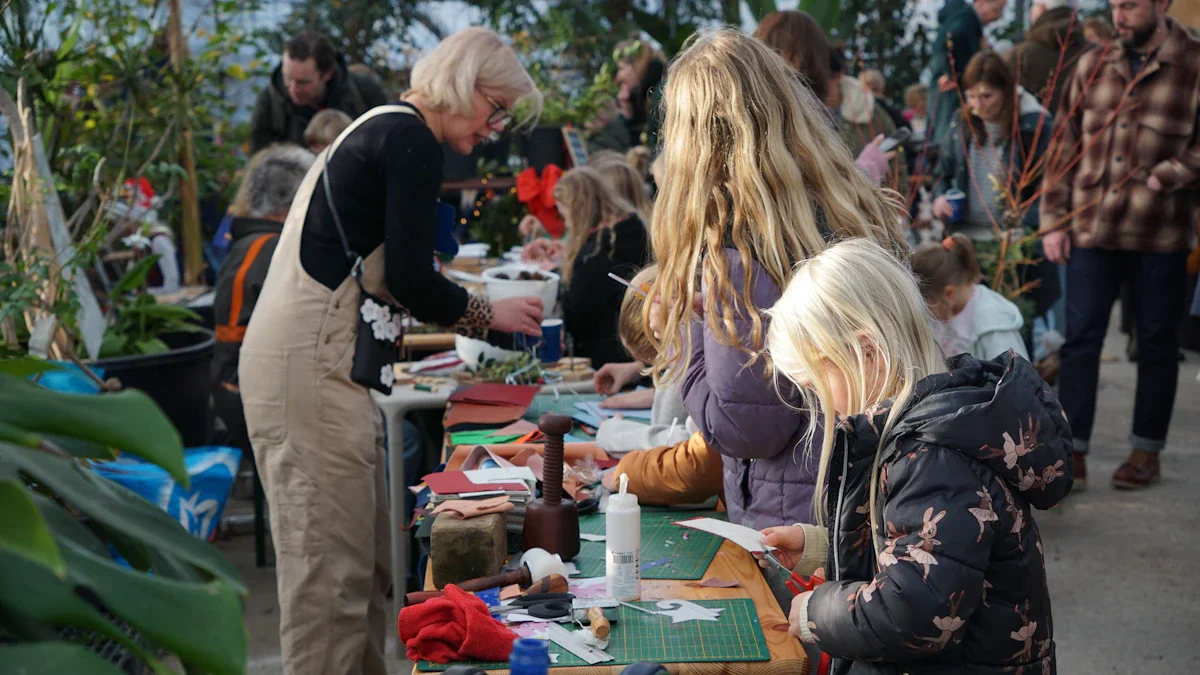
Health in Wigan Borough is undergoing a fundamental shift as local leaders move focus away from hospital corridors and toward community spaces. While the global conversation regarding the future of healthcare often centers on Artificial Intelligence and high-tech medical interventions, a different kind of innovation is taking root in local neighborhoods. This movement, known as ‘creative health’, utilizes arts, culture, and local community activity to address the root causes of illness, such as isolation and chronic stress.
Creative health operates at the intersection of digital technology, culture, and wellbeing. In practice, this manifests as community music groups supporting residents with long-term physical conditions or creative workshops providing a lifeline for those experiencing profound loneliness. These initiatives are not merely leisure activities; they are structured interventions that help people process trauma, loss, and significant life changes.
Creative health initiatives across Wigan Borough
The impact of these programs is already visible through strengthened social networks and improved individual confidence. Many residents involved in local arts projects report a reduced reliance on traditional health services. Recent data suggests that Wigan creative health projects tackle mental health crisis by providing immediate social support and a sense of purpose that clinical settings often struggle to replicate.
Unlike traditional medical models that focus on treating symptoms, creative health works with people rather than on them. This approach aligns with the council’s Progress with Unity missions, which prioritize community-led solutions. By valuing the lived experience of residents, these programs build the trust necessary to engage individuals who might otherwise feel alienated by institutional healthcare systems.
Bridging the gap between arts and clinical care
One of the primary challenges in modernizing healthcare is the reliance on quick, easily measurable results. Clinical outcomes are often tracked in days or weeks, whereas the benefits of creative health—such as increased resilience and a sense of control over one’s life—develop over months and years. These long-term changes are vital for the sustainability of the local health system, yet they are often overlooked in traditional budget cycles.
Integrating these practices into the core of public service delivery requires a shift in perspective. Instead of viewing arts and culture as ‘optional extras’ or ‘soft’ options, local health experts argue they are smart, preventative investments. These initiatives follow comprehensive wellness strategies that prioritize the foundation of health: connection, meaning, and community resilience.
Key points of the creative health strategy
- Community-Led Solutions: Prioritizing trusted local groups and artists who understand the specific needs of their neighborhoods.
- Long-Term Resilience: Shifting focus from short-term clinical results to sustainable improvements in mental wellbeing and social connection.
- Systemic Integration: Designing creative health into the fabric of public services rather than treating it as an add-on.
- Digital Synergy: Using technology to enhance creative expression and help residents process complex trauma.
Investing in community-led health solutions
The effectiveness of these programs relies on treating arts and culture organizations as equal partners in the health and care system. This involves shifting funding and decision-making power to local groups that have already established deep relationships within their communities. Supporting these artists and organizers means investing in the people who are often the first point of contact for residents in distress.
Rachael Musgrave, Director of Public Health at Wigan Council, emphasizes that health is not merely the absence of illness but the presence of purpose and connection. As demand on traditional services continues to rise, the borough’s future health and care system depends on the success of these community-based models. The focus now turns to whether regional policies and funding structures are prepared to sustain this creative evolution in public health.
Source: Wigan Council


Comments