
Bexley Voters Reshape Council as Reform UK Gains Ground
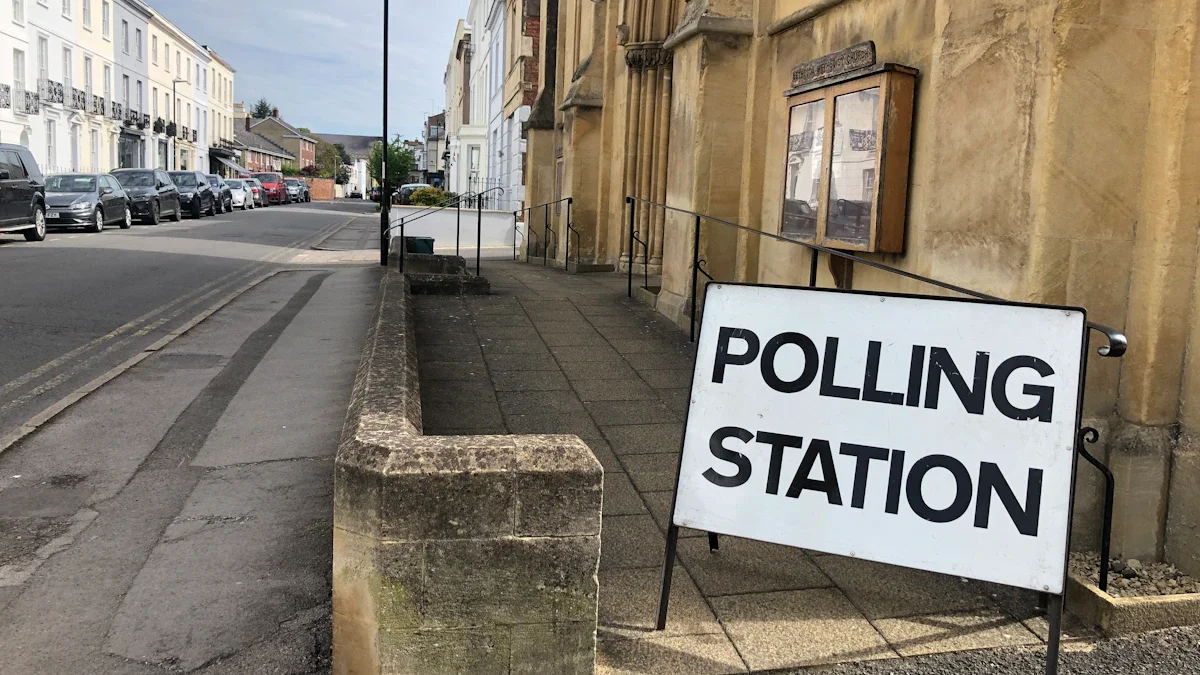
The political landscape in Bexley has undergone a significant shift following the local elections held on 7 May. While the Conservative Party secured enough seats to maintain its majority control of the council, the emergence of Reform UK as a major force has redefined the local opposition, matching the seat count of the Labour Party.
Residents across the borough cast their ballots in a contest that saw a high degree of fragmentation in the popular vote. The Conservative Party remains the dominant force in local governance, but the results indicate a changing tide in voter sentiment across several key wards.
Key Election Results and Seat Distribution
The following data represents the confirmed outcomes for the majority of the borough. These figures highlight the disparity between total vote share and final seat counts under the current electoral system.
| Political Party | Seats Won | Percentage of Votes |
|---|---|---|
| Conservative Party | 29 | 37% |
| Reform UK | 7 | 32% |
| Labour Party | 7 | 19% |
| Green Party | 0 | 7% |
| Liberal Democrats | 0 | 4% |
| Independent | 0 | <1% |
| Trade Unionist and Socialist Coalition | 0 | <1% |
| Working for Sidcup | 0 | <1% |
Conservative Majority Remains Despite Shifting Vote Shares
Bexley Council continues to be led by the Conservative Party, which secured 29 seats. This allows the party to maintain a functional majority for the upcoming term, ensuring continuity in current municipal policies and budget planning. However, the party’s 37% vote share suggests a narrower margin of support than in previous election cycles, pointing to a more competitive political environment in the borough.
The retention of power means that existing infrastructure projects and local service delivery models are likely to proceed without immediate redirection. For residents, this provides a level of stability in council tax trajectories and essential service management, though the increased presence of opposition members may lead to more rigorous debate in the council chamber.
Reform UK Matches Labour Seat Count in Major Political Shift
One of the most striking outcomes of the night is the performance of Reform UK. The party secured 7 seats, equalling the Labour Party’s representation on the council. This result is particularly notable given the vote shares: Reform UK captured 32% of the total vote, while Labour secured 19%.
This surge represents a significant challenge to the traditional two-party dominance in Bexley. The fact that Reform UK nearly doubled Labour’s vote share while achieving the same number of seats highlights how concentrated or dispersed support can impact the final outcome in a ward-based system. For the Labour Party, the results represent a challenging night, as they now share the role of the primary opposition force with a surging third party.
Smaller parties, including the Green Party and the Liberal Democrats, failed to secure any seats despite capturing 7% and 4% of the vote respectively. Their lack of representation, alongside the negligible impact of independent candidates and the “Working for Sidcup” group, suggests that voters prioritized the three largest blocks.
Recount Ordered for Slade Green and Northend Ward
The final composition of the council remains slightly fluid due to a pending result in the Slade Green and Northend Ward. Election officials confirmed that the initial count was sufficiently close to necessitate a formal re-count. This process is scheduled to take place today, 8 May, at 5:00 PM at the Civic Offices.
The outcome of this specific ward is highly anticipated, as it could potentially alter the final seat tallies for the leading parties. Once the re-count is completed and verified by the returning officer, the results will be added to the official borough total. Residents and candidates are awaiting the announcement to see if the current balance of power shifts further.
Source: London Borough of Bexley



Comments