
Beyond the Rolodex: Why the Relationship Economy Defines B2B Success

In an era where digital noise is at an all-time high, the traditional art of the handshake is undergoing a sophisticated evolution. The debate over whether networking is a genuine guarantee of success or merely a secondary business activity has taken center stage in the Baltic tech corridor, offering universal lessons for the global B2B market.
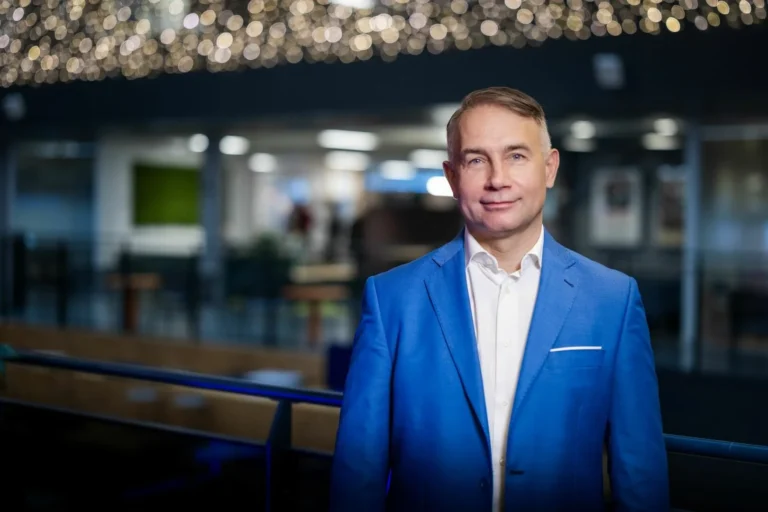
Algirdas Stonys, the founder of TeleSoftas and current head of LTMilTech, recently sat down with marketing specialist Eglė Pilypaitė to dissect a fundamental shift in how value is created. Their conclusion? We have moved beyond the ‘attention economy’ and entered the ‘relationship economy.’ In this new landscape, the primary driver of growth isn’t just who sees your brand, but who is willing to stake their own reputation on it.
The Limits of Marketing in High-Stakes B2B
While marketing is designed to capture attention and position a brand, it often hits a ceiling in the B2B sector, particularly where decisions involve high costs, long timelines, and significant risk. Pilypaitė, coming from a background of communication and visibility, notes that while marketing can bring a lead to the door, it rarely provides the ‘feeling of security’ required to close a deal.
In these high-stakes environments, buyers aren’t just purchasing a service; they are purchasing trust. Stonys argues that this security is almost always rooted in a person’s reputation and the recommendations that precede them. This is why networking is increasingly viewed not as a supplementary activity, but as a core piece of business infrastructure. It is the framework through which reputation is verified before a contract is ever signed.
Moving Past the ‘Old Boys’ Club’ Mentality
A common criticism of networking, particularly in smaller markets like Lithuania, is the fear of ‘cronyism’ or what locals colloquially call the ‘land of brothers-in-law.’ However, the conversation between Stonys and Pilypaitė elevates this concept. They argue that relationships exist in every mature business ecosystem worldwide; the difference lies in how they function.
In mature systems, networks act as catalysts for trust, where professional bodies like the Chamber of Commerce, BNI, or industry-specific associations provide a structured environment for vetting. In these spaces, networking isn’t about accidental encounters but about institutionalized reputation management. It becomes a field where a professional’s name carries weight even when they aren’t in the room.
The Philosophy of ‘Light’ Leadership
Perhaps the most unconventional part of Stonys’ approach to business is his personal philosophy—a disciplined state of ‘Hakuna Matata.’ This isn’t about a lack of seriousness, but rather an internal discipline to avoid unnecessary drama and allow processes to flow without friction.
For a leader, this calm is a strategic asset. A leader who maintains internal peace creates more stable relationships and fosters a clearer sense of trust. This ‘lightness’ extends to his visionary thinking, including his public discussions about a ‘space elevator.’ While such ideas may seem futuristic, they serve a practical purpose in the relationship economy: they create a reputational field of curiosity and vision that attracts high-level talent and partners who look beyond the next fiscal quarter.
Security as the Ultimate Foundation
Currently focused on regional security through LTMilTech and his involvement in programs like ‘Defending Baltics 2024,’ Stonys emphasizes that networking and economic growth are impossible without a baseline of safety. He views national and regional security as the fundamental infrastructure that allows business freedom to exist.
Ultimately, the ‘friends, fools, and family’ logic that often starts a business remains relevant throughout its growth. Initial trust is the first form of capital any entrepreneur possesses. Whether through structured business breakfasts or visionary tech clusters, the ability to build and maintain a network of trust remains the most reliable insurance policy against the volatility of the modern market.
Original reporting by: bns
Source: BNS



Comments