
Cheshire wildlife to flourish as Grange Woods becomes first habitat bank
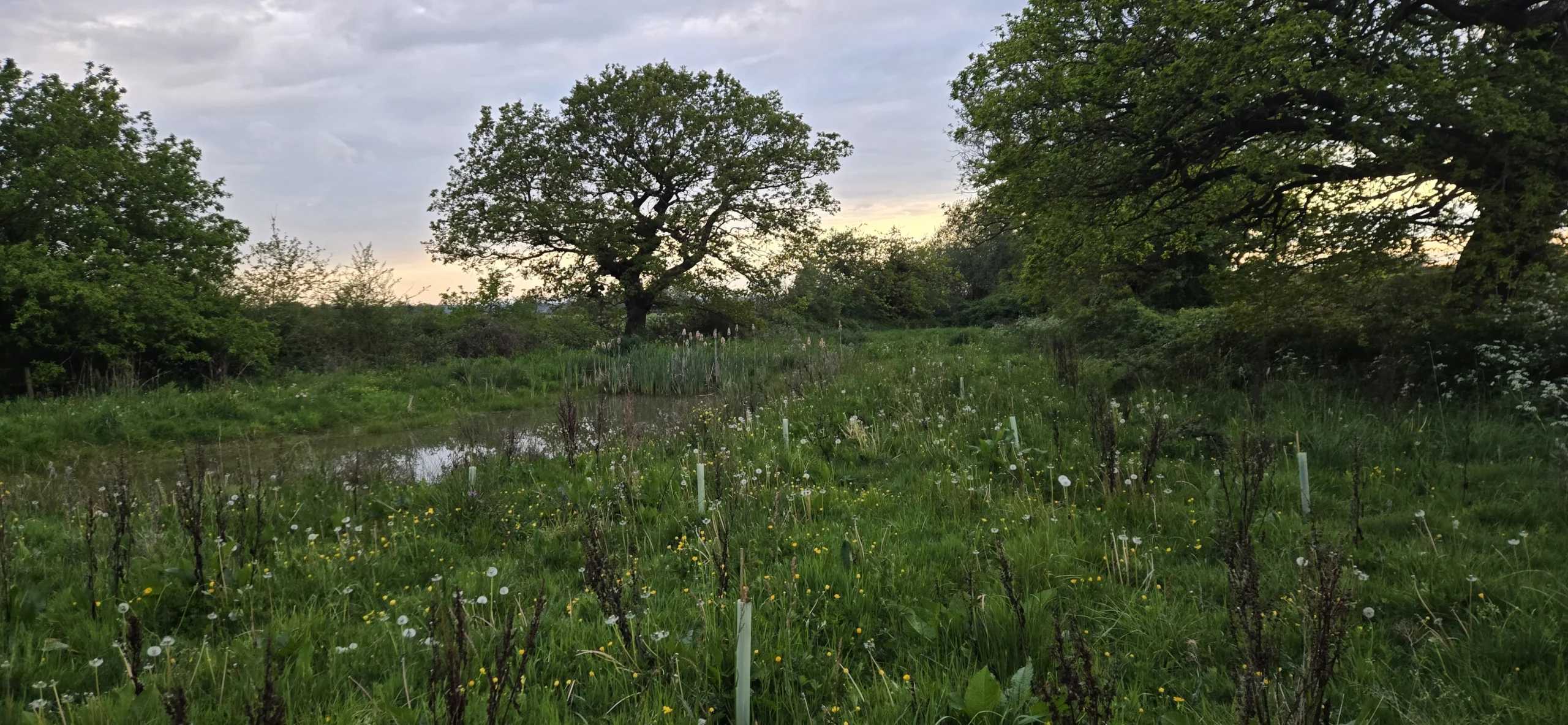
Cheshire West and Chester Council has officially registered its first dedicated habitat bank with Natural England, marking a shift in how local land is managed for environmental recovery. The 8.56-hectare Grange Woods site, situated between Chester and Frodsham, is the first of several planned locations designed to offset the impact of regional development while restoring lost biodiversity.
The project involves the transformation of council-owned land into a connected network of species-rich grassland, native broadleaved woodland, and newly constructed ponds. By linking these distinct environments, the initiative allows native plants and animals to move across the landscape, establishing more resilient populations in a region that has seen significant ecological decline over the last century.
Main takeaways
- Grange Woods provides 8.56 hectares of dedicated wildlife space between Chester and Frodsham.
- The site is the first council-owned habitat bank registered with Natural England.
- Funding is secured through the Biodiversity Net Gain (BNG) planning requirement.
- Target species include pollinating insects, bats, birds, and amphibians like the great crested newt.
- Cheshire has lost 156 species since 1950, a trend this project aims to reverse.
Ecological restoration of the Grange Woods site
The transformation of Grange Woods focuses on creating high-quality habitats that were once common across the Cheshire landscape. Ecologists have prioritised species-rich grassland and native woodland to support a wide variety of local fauna. The inclusion of carefully designed ponds is intended to provide essential breeding grounds for amphibians, including frogs, toads, and newts, which have faced habitat loss due to agricultural and urban expansion.

Before any work commenced, a baseline ecological assessment was conducted to document the existing state of the land. This data serves as the foundation for regular monitoring and condition assessments. All improvements and biological gains are recorded on the national Biodiversity Gain Site Register, ensuring that the environmental progress is measurable and transparent. Once these habitats are established, they are legally secured and managed for the long term, preventing the land from being repurposed and ensuring the benefits for wildlife persist for decades.
Biodiversity Net Gain units and local development rules
The establishment of the Grange Woods habitat bank is closely tied to the UK’s planning system. Under current regulations, non-exempt new developments must deliver at least a 10% net gain for biodiversity. While developers are encouraged to achieve this gain on their own sites, it is not always physically possible. In such cases, developers can purchase Biodiversity Net Gain (BNG) units from registered habitat banks.

This system creates a market-based solution for conservation. The sale of these units provides the necessary funding for the long-term management and maintenance of sites like Grange Woods. It ensures that while the borough continues to grow and provide new housing or infrastructure, the natural environment is not just preserved, but measurably improved. This financial model shifts the burden of nature recovery from the public purse to the development sector, creating a self-sustaining cycle of environmental investment.
Future habitat banks and the Local Nature Recovery Strategy
Grange Woods is the first of five large-scale habitat banks the Council is currently developing. Other sites are expected to offer a mix of scrub, wetland, and watercourse units, further diversifying the types of ecosystems being restored across west Cheshire. This expansion aligns with the Cheshire and Warrington Local Nature Recovery Strategy, which emphasises the necessity of joining up fragmented green spaces to create a more robust ecological network.
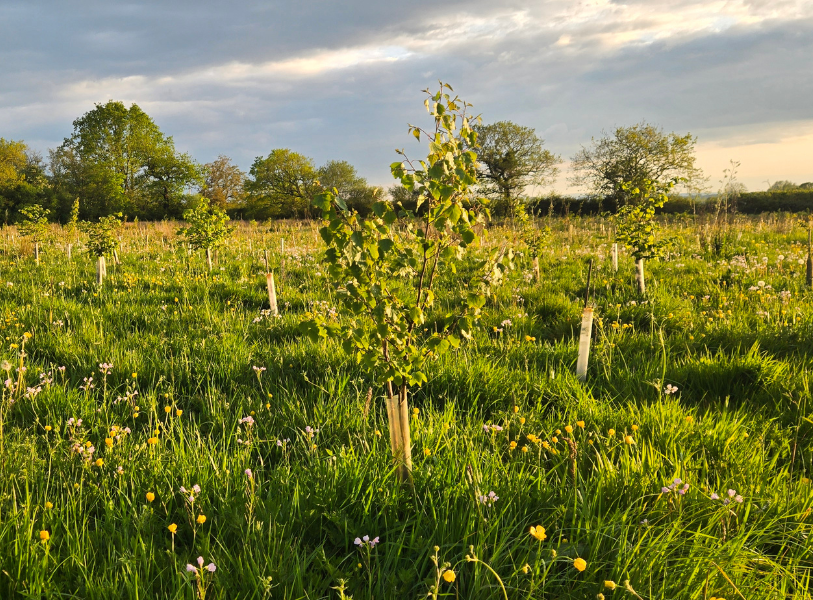
Beyond council-owned land, the initiative is facilitating a wider market for private landowners. A Section 106 agreement has already been reached with Bioscape Developments for the Eaton Lane Habitat Bank in Davenham. This site is also registered on the national register, providing additional opportunities for developers to meet their legal obligations while contributing to the borough’s biodiversity targets. Gemma Davies, Director of Economy and Housing, noted that funding these improvements through BNG ensures that sites like Grange Woods will be professionally managed for years to come, supporting the local economy and the health of the regional environment.
Source: Cheshire West and Chester Council


Comments