
Closing Liverpool’s 10-year women’s health gap through urgent change
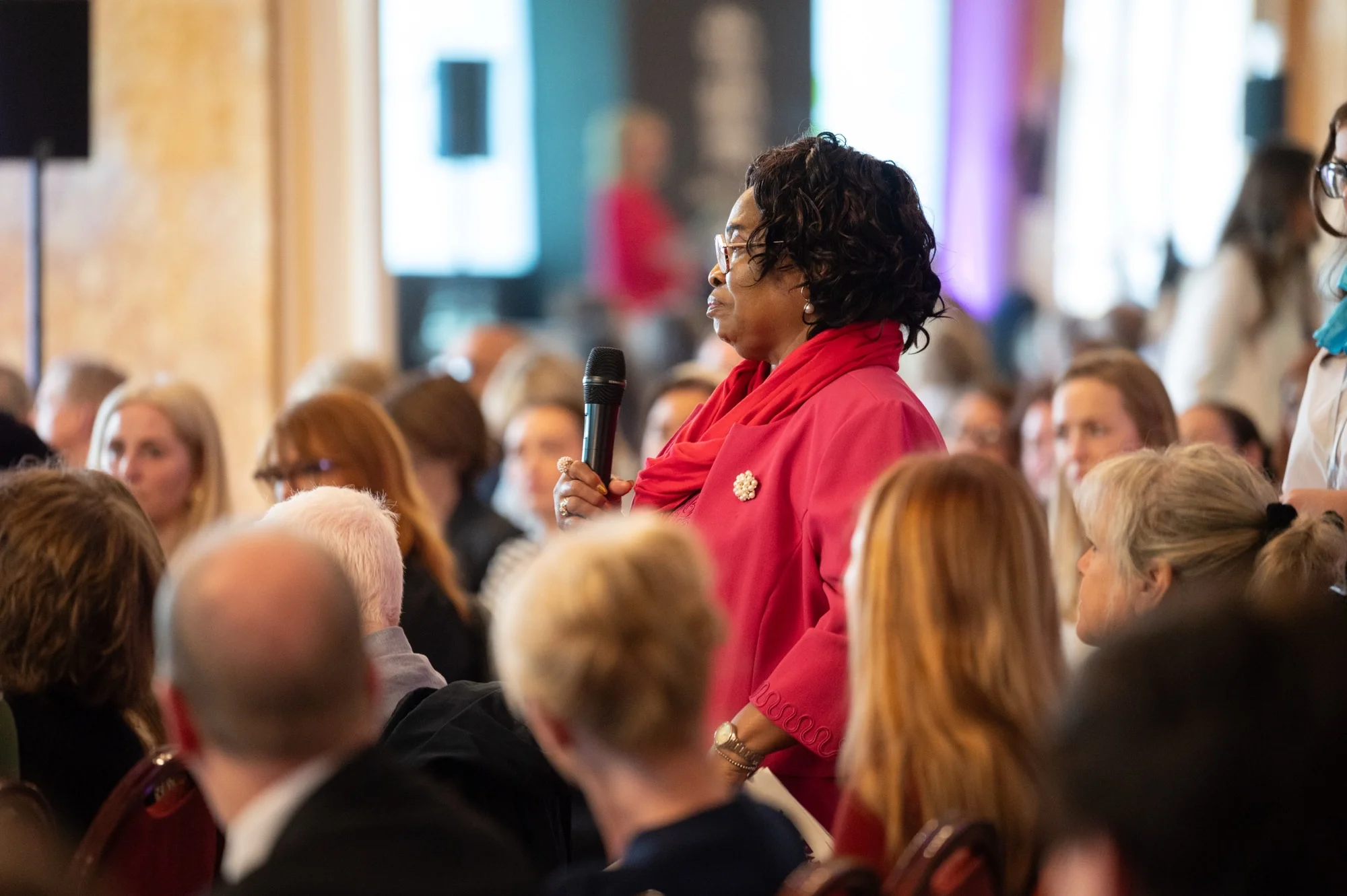
Women in Liverpool develop chronic illnesses a decade earlier than the national average, spending approximately 30% of their lives in poor health. This stark disparity served as the focal point for the Women’s Health Conference, where Liverpool City Council, NHS leaders, and community advocates convened to overhaul the city’s approach to female wellbeing and address deep-seated health inequality.
Data presented at the summit confirms that women in the city are more likely to die early from preventable causes compared to men, with the inequality gap widening. These outcomes are not merely biological but are driven by a convergence of social and economic factors. Women in Liverpool are statistically more likely to experience poverty, insecure employment, and the cumulative physical toll of unpaid caring responsibilities and trauma.
Stark health disparities in the Liverpool region
The health profile for women in the city reveals significant challenges across the life course. Mental health is a primary concern, with depression affecting 17% of all women and rising to nearly 30% for those in midlife. Furthermore, drug-related deaths among women in Liverpool are more than three times the national average for England.
Specific clinical needs often go unmet or unrecognized. Conditions such as endometriosis, menopause-related issues, and menstrual health frequently suffer from under-diagnosis. Current data shows that waiting times for gynaecology services remain among the longest of any medical specialty in the region. As the city’s older population grows, preventable illnesses including cardiovascular disease, respiratory issues, and cancer are becoming increasingly prevalent priorities for local health authorities.
Socio-economic barriers to female wellbeing
Testimony from women across the city suggests a recurring theme of feeling unheard or unsupported when seeking medical assistance. Many report that their symptoms are not believed, leading to fragmented care pathways and delayed treatment. These barriers are often compounded by cultural expectations, language differences, and the physical limitations of living in deprived neighbourhoods.
Councillor Rahima Farah, Assistant Cabinet Member for Health, Wellbeing, and Culture, noted that the female experience in Liverpool is not uniform. Outcomes are heavily shaped by ethnicity, disability, and migration status. Improving the system requires recognizing these differences and working alongside community organizations that provide trusted local networks and peer support.
Systemic reform and community-led advocacy
The conference signaled a shift toward a delivery-focused model of care. Professor Matt Ashton, Director of Public Health for Liverpool City Council, emphasized that the data is well-understood, and the current priority is creating the conditions for measurable progress. This involves a coordinated effort between the NHS, local government, housing providers, and the voluntary sector.
Dr. Fiona Lemmens, Executive Clinical Director at NHS Cheshire and Merseyside, confirmed that the healthcare system is committed to applying a specific “women’s health lens” across all services. This includes strengthening early intervention and improving access to timely care throughout a woman’s life.
Liverpool City Council Leader, Councillor Liam Robinson, stated that the city is now committed to practical change, recognizing women as experts in their own lives. The next phase of work involves securing formal commitments from system leaders to ensure that the advocacy seen at the conference translates into improved day-to-day health outcomes for residents across all wards.
Source: Liverpool City Council



Comments