
Beyond the Runway: Lukas Svirplys on the High Cost of Fashion’s Thinness Cult
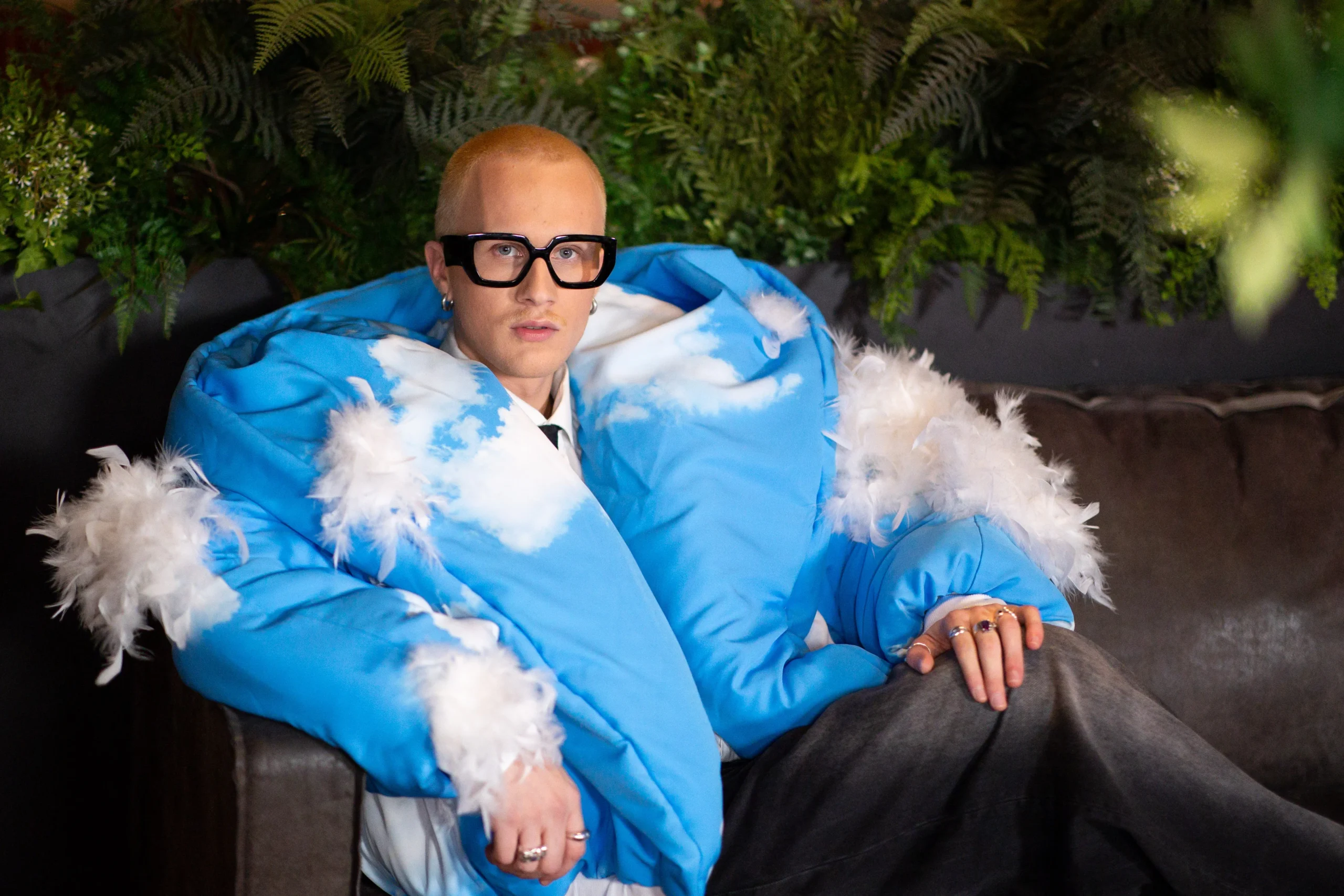
The image of Lukas Svirplys on the red carpet is one of unapologetic extravagance. An interdisciplinary artist and human rights activist, the 27-year-old Lithuanian has become a fixture of the Baltic fashion scene, known for his avant-garde style and refusal to conform. Yet, behind the flashbulbs and the designer labels, Svirplys has been fighting a battle that the fashion industry often rewards until it becomes life-threatening.
Standing at 186cm (6ft 1in), Svirplys recently saw his weight drop to a dangerously low 55kg. While the medical community viewed this as a crisis point, the fashion world—where he has worked as both a designer and a model—offered a different reception. He admits that his emaciated frame was not just accepted but celebrated, until doctors intervened with a diagnosis of anorexia nervosa.
The Physical Toll of the ‘Perfect’ Look
Svirplys is currently receiving treatment at a psychiatric facility in Vilnius, specifically within a ward dedicated to eating disorders. His journey to this point highlights a dark synergy between personal struggle and industry expectations. Speaking from the hospital, he reflects on how the cult of thinness remains an immovable force on the catwalks and in retail windows.
“From an economic perspective, it is simply easier, faster, and cheaper to sew a smaller garment,” Svirplys notes, offering a designer’s insight into why the industry clings to sample sizes that few healthy bodies can achieve. He maintains that his weight loss wasn’t a conscious effort to restrict food for aesthetic reasons initially, but rather a result of extreme dietary experiments, including raw foodism and strict veganism, which eventually spiraled into a clinical disorder.
From Rural Homestead to Global Scrutiny
Perhaps the most striking contrast in Svirplys’ life is his origin. He grew up in a remote Lithuanian homestead, far from the “civilization” of the fashion capitals. He credits this isolated upbringing for his creative freedom, noting that he grew up without the rigid stereotypes and rules that govern urban life. However, being the child of village teachers in a small community brought its own pressures.
He describes himself today as an “educated villager,” a term that bridges his roots with his current status as a public figure. In the provincial areas of Lithuania, where traditional values often clash with his flamboyant self-expression, the commentary from neighbors was constant. This background created a unique resilience, yet it did not shield him from the internalised pressure to achieve a certain aesthetic standard once he entered the professional creative world.
Breaking the Silence for Men
One of the most difficult aspects of his recovery has been the gender imbalance in treatment. Svirplys reveals that he was the only male patient in the eating disorder ward at the Vasaros Street hospital. This isolation initially brought a sense of shame and a questioning of his place there, reflecting a wider societal issue where eating disorders are still predominantly framed as a female struggle.
His decision to speak openly about his diagnosis—while still undergoing treatment—is a deliberate act of activism. By revealing that he “never felt beautiful” despite his success, Svirplys is challenging the industry to look at the human cost of its aesthetic demands. His story serves as a stark reminder that even those who seem the most liberated from social norms can find themselves trapped by the industry’s most dangerous expectations.
Source: ELTA


Comments