
The Silent Liver Threat: Why Your Fatigue Might Be More Than Just Tiredness
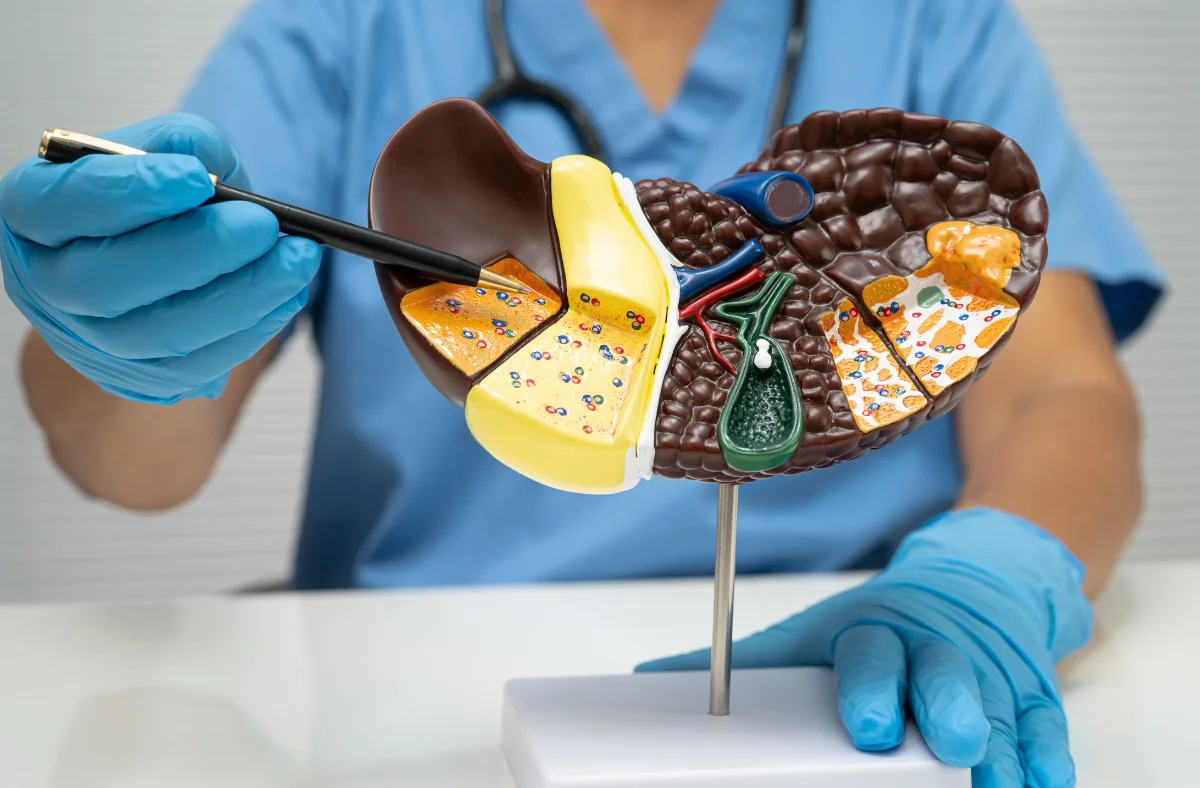
Many people live with a ticking time bomb in their abdomen without ever realizing it. While the liver is often associated with alcohol consumption, a growing global health crisis known as Metabolic Associated Steatotic Liver Disease (MASLD) is quietly affecting millions of people who rarely, if ever, touch a drink. Often referred to as a ‘silent disease,’ fatty liver can progress for years without showing obvious signs, eventually leading to irreversible damage if left unchecked.
Medical experts are increasingly concerned about the rise of metabolic-related liver issues. Dr Artūras Jacinavičius, a gastroenterologist at the Antėja medical network, warns that fatty liver is a direct consequence of modern lifestyle habits and metabolic disorders. Because the liver lacks pain receptors in its early stages of inflammation, the condition is frequently discovered by accident during routine blood tests or abdominal ultrasounds for unrelated issues.
Recognizing the Subtle Red Flags
While the disease is often asymptomatic in its early stages, there are subtle physical cues that should not be ignored. Persistent, unexplained fatigue is one of the most common indicators. Because the liver plays a central role in energy metabolism and detoxification, any impairment can lead to systemic inflammation and a noticeable drop in energy levels.
Other non-specific symptoms include a feeling of heaviness or tension under the right side of the ribcage and persistent bloating. While these are often dismissed as simple digestive issues or ‘getting older,’ they can be the first signs of fat accumulation and inflammation within the liver tissue. When the liver becomes heavy with fat, it can physically press against surrounding structures, causing that tell-tale discomfort in the upper right abdomen.

The Metabolic Connection
There is a persistent myth that liver damage is exclusively the domain of heavy drinkers. However, MASLD is driven by metabolic factors: being overweight, obesity, Type 2 diabetes, and high cholesterol. Even if you abstain from alcohol entirely, you are still at risk if your metabolic health is compromised.
Globally, it is estimated that 25–30% of all adults suffer from some form of fatty liver disease. Among those with obesity or diabetes, that prevalence skyrockets. The condition occurs when the body processes more fat than it can handle, leading to storage within the liver cells themselves. Over time, this fat causes inflammation, which can eventually lead to scarring (cirrhosis) or liver failure.
Reversing the Damage Through Lifestyle
The good news is that the liver is a remarkably resilient organ with high regenerative capabilities. In its early stages, fatty liver disease is often reversible. Research suggests that losing just 7% to 10% of your total body weight can significantly reduce liver fat and even reverse some of the inflammatory damage.

Achieving this requires a multi-pronged approach: increasing physical activity, adopting a balanced diet low in processed sugars, and managing underlying metabolic conditions like hypertension or high cholesterol. While blood tests for liver enzymes (such as ALT, AST, and GGT) are useful, they can sometimes appear within the ‘normal’ range even when fat is present, making regular monitoring and lifestyle consistency vital for those in high-risk groups.
The Role of Cellular Support
In addition to lifestyle changes, medical science has looked into the role of phospholipids—molecules that form the building blocks of cell membranes. When liver cells are damaged by fat accumulation, their membranes become compromised, leading to cell death and impaired function.
Emerging clinical data suggests that essential phospholipids can aid in the recovery of these membranes, particularly when used as part of a broader treatment plan. However, experts stress that supplements are not a ‘magic pill.’ They should be viewed as a supportive measure alongside weight loss and exercise, rather than a replacement for healthy habits. For those on long-term medication that may stress the liver, or those with established metabolic syndrome, professional guidance on liver support is essential.
Source: BNS




Comments