
England’s social care promise faces a familiar funding test
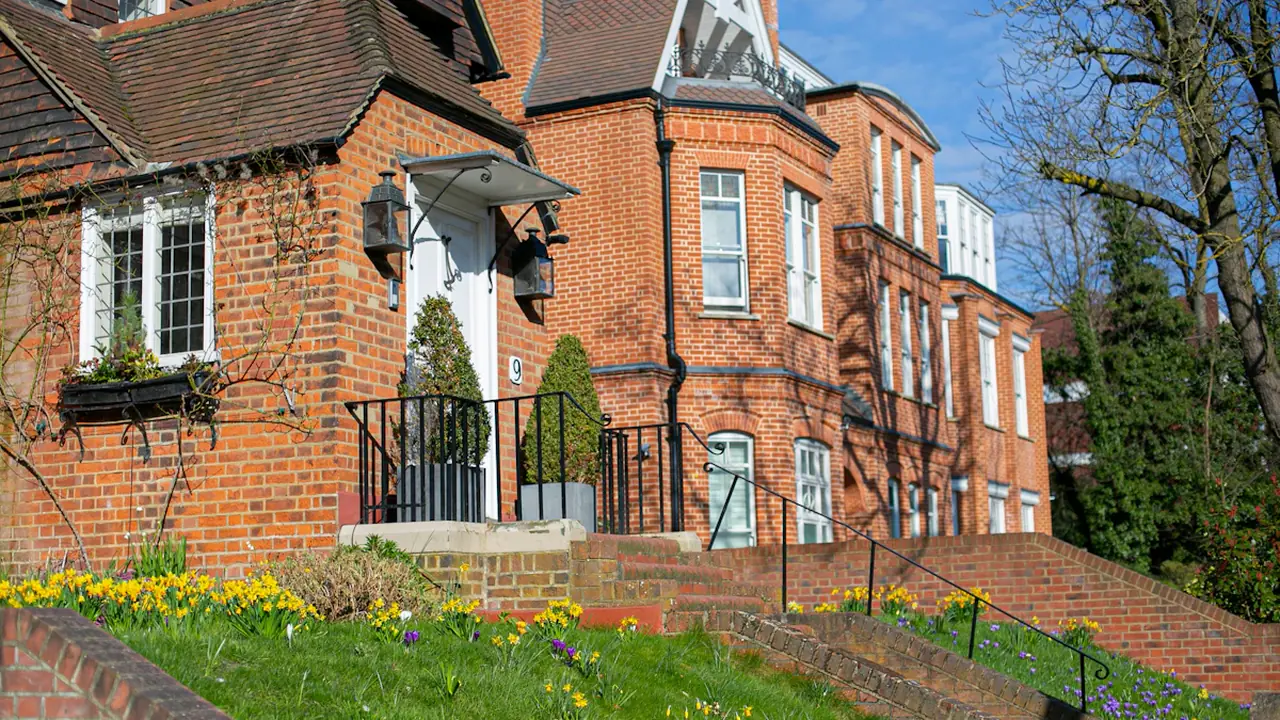
England’s social care system has been targeted for reform at least 22 times since the 1990s. The latest attempt, the Big Conversation on Care, faces the same central challenge: finding a funding model that improves support without losing public consent.
The initiative has been backed by Prime Minister Andy Burnham, who has said the government will seek answers to the long-running problems in social care. The debate will affect people who need care, their families, taxpayers and the workforce supporting them.
Why public support is difficult to read
Research discussed by Dr Anthony Kevins, Senior Lecturer in Politics and International Studies at Loughborough University, suggests that people are unhappy with the current system but often do not understand how it operates or how it is funded.
That uncertainty makes it difficult to predict support for any individual reform. A proposal may be broadly welcomed in principle but face opposition once people understand how much it could cost them or which taxes would fund it.
Most people appear to support a shared-cost model, in which the state contributes alongside people who use social care. Support for the state covering all costs is relatively low, while even fewer people believe users should pay for everything themselves.

For families already navigating the system, the key issue is therefore likely to be how responsibility is divided rather than whether government should have any role at all. A recent CQC assessment of adult social care in Lambeth illustrates the continuing focus on how services are delivered as well as how they are financed.
Wealth tax is the most popular funding option in the research
The research identifies a clear preference ranking for possible ways to pay for additional social care spending. A wealth tax on people with assets worth more than £1 million was the most popular option, followed by an income tax increase affecting higher earners.
Council tax was the least popular option among those considered. Increases in inheritance tax and national insurance contributions were also relatively unpopular.
These findings show a preference for asking people with greater assets or higher incomes to contribute more. They do not, however, establish that any particular tax would be politically or financially sufficient. The details of a proposal would determine who paid, how much they paid and how widely the burden was shared.

The next reform still faces a political trade-off
The repeated attempts to address social care since the 1990s underline how difficult it has been to turn broad dissatisfaction into a lasting settlement. People may want the state to share costs, while resisting the tax changes required to provide that support.
Dr Kevins notes that no funding mechanism is likely to avoid at least some backlash. For Labour, that creates a direct political trade-off: a credible plan may require choices that are unpopular with some voters, even when the underlying aim has wider support.
The Big Conversation on Care will therefore be judged on two linked questions: whether it can produce workable answers for England’s social care system, and whether the public accepts how those answers are paid for.
Source: Loughborough University Press Releases
Context & actions About this article
Source check Source trail
The article follows the claims and research findings attributed to Dr Anthony Kevins in the Loughborough University source.
- Checked the reported total of 22 social care reform attempts since the 1990s
- Checked the stated public preference for shared state and user funding
- Checked the ranking of wealth tax, income tax, council tax, inheritance tax and national i...
- Separated research findings from political implications
- Source
- Loughborough University Press Releases
- Scope
- England
- Updated
- 2026-07-29 18:34
Source check
Report a trust issue
Send a clear signal to community moderation if the source, facts or context need review.



Comments