
From a Small Lithuanian Town to the Global Pages of The Economist

The journey from a quiet provincial town in Lithuania to the bustling editorial offices of the world’s most influential publications is rarely a straight line. For Eglė Každailytė, it was a path paved with architectural blueprints, a life-changing stint in London, and a job interview conducted from the deck of a sailboat. Today, her work as a designer and illustrator is a staple in The Economist, The Guardian, and The Washington Post, proving that local talent can indeed command a global stage.
Growing up in Kelmė, a town of fewer than 10,000 people, Každailytė was always drawn to drawing. However, she sought more than just aesthetics; she wanted her creativity to have a functional purpose. This search led her to the Young Architects and Designers School at VILNIUS TECH. The commitment was significant—every weekend, she traveled from Kelmė to the capital, Vilnius, to prepare for her entrance exams. The effort paid off when she ranked second among eighty applicants, a success that would fundamentally alter her worldview.
Foundations in Architecture and the Shift to Illustration
Her time studying architecture in Vilnius provided more than just technical skills. It instilled a discipline for completing complex projects and a deep understanding of conceptual thinking. “I learned how forms and spaces relate to each other and to people,” she recalls. Yet, despite the academic success and an early role in urban planning, the practical reality of the profession didn’t resonate with her.
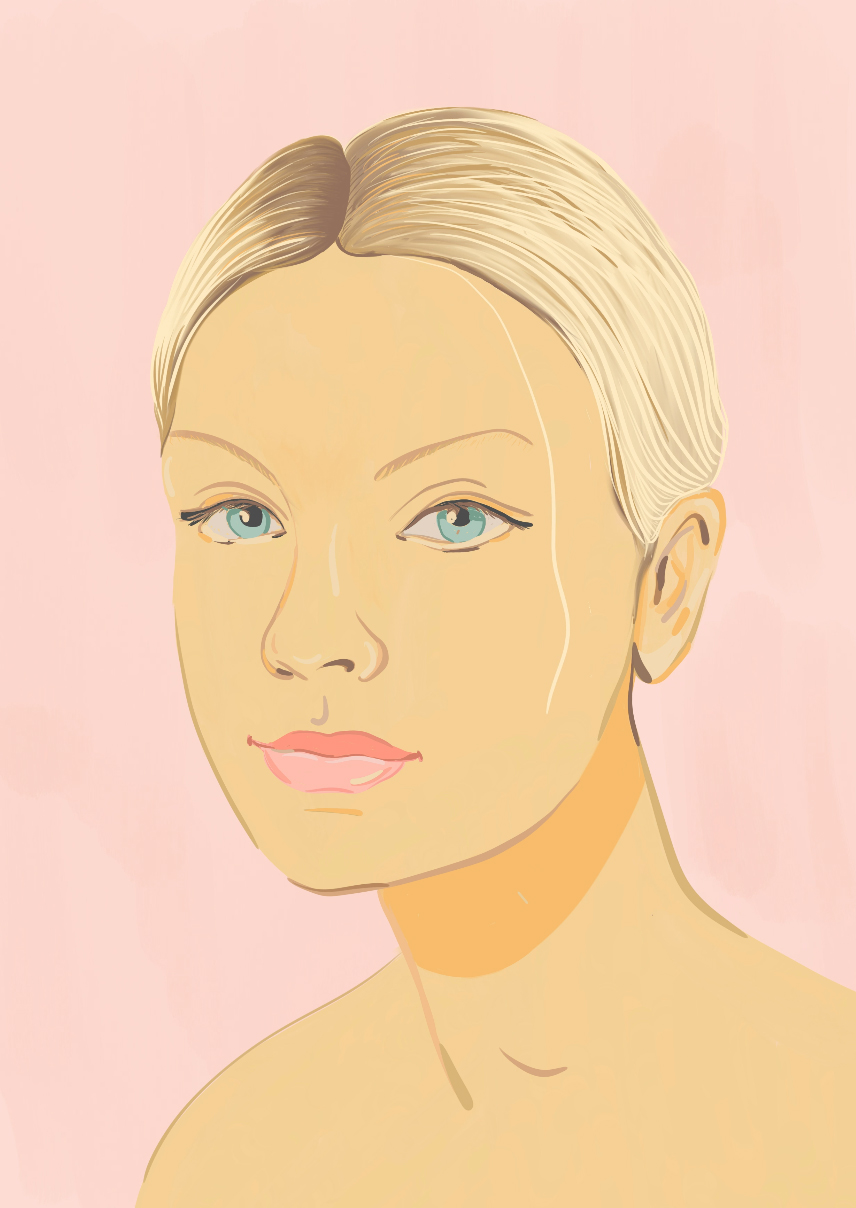
Seeking a different rhythm, Každailytė moved to the Netherlands, balancing evening classes at the Amsterdam School of the Arts with intense work at architectural firms in Rotterdam. It was a period of high pressure and significant personal change, including the birth of her daughter and the loss of her father. These milestones acted as a catalyst, pushing her to return to her primary passion: illustration.
The London Epiphany: Where Ideas Outshine Aesthetics
Každailytė’s move to London marked a professional turning point. It was here that she discovered the British approach to visual storytelling, which shifted her perspective on her own craft. In Lithuania, illustration was often viewed through the lens of beauty and decoration. In London, she realized it was a form of visual journalism.
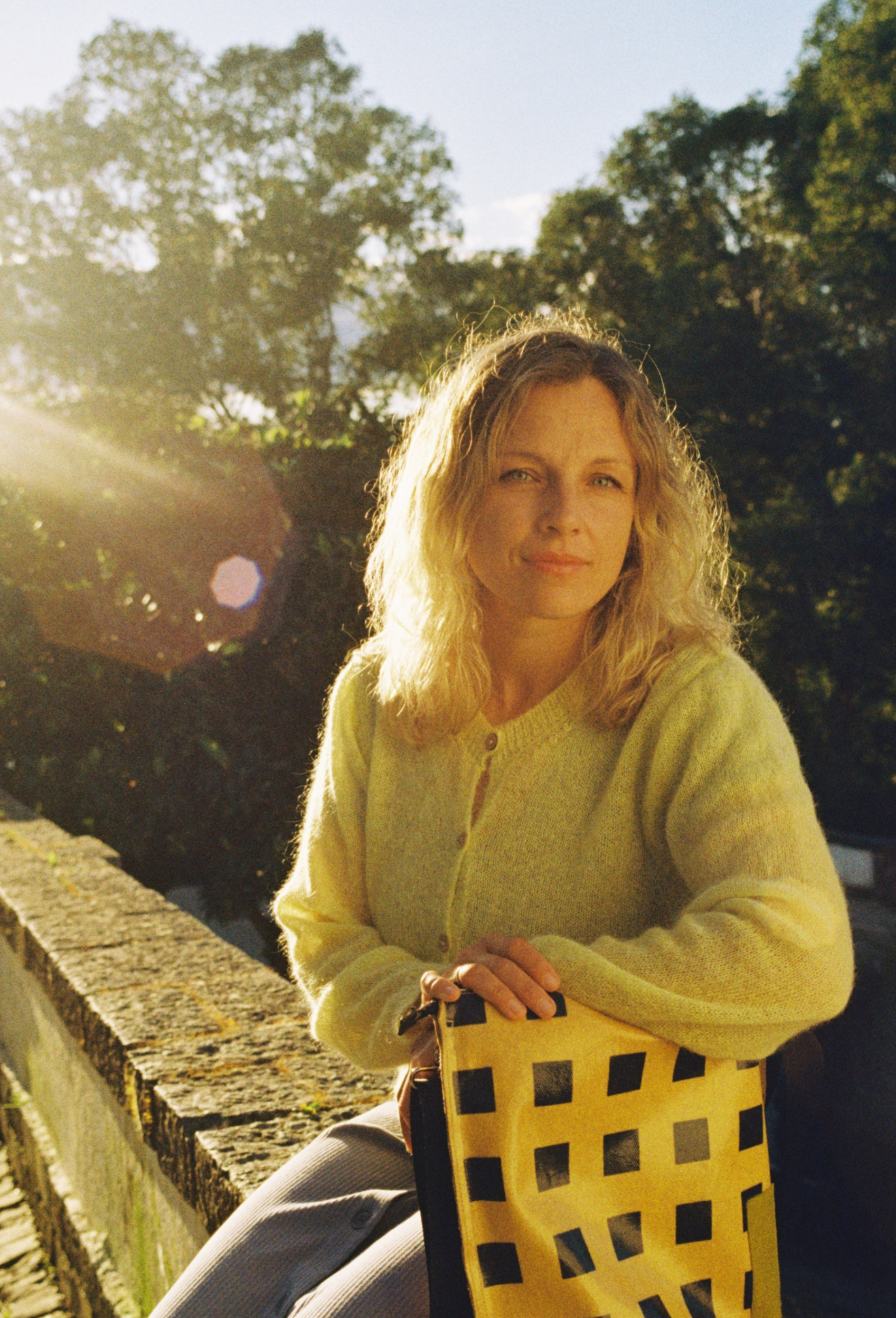
“London still holds a special place in my heart,” she explains. “There, I understood what illustration really is. The British taught me that the most important thing is the idea and the concept. Illustrating is very similar to writing.” This conceptual rigor allowed her to transition into freelance work for The Guardian and other prestigious UK-based titles, while her family began a nomadic period that took them through Singapore, India, New York, and Denmark.
An Interview from a Sailboat: Joining The Economist
The story of how she joined The Economist has become something of a modern professional legend. While living on a sailboat with her family, she spotted an advertisement for a designer to create content for the magazine’s Snapchat presence. The job interview took place via video call from the boat. Her talent, combined with an obviously unique worldview and a flexible approach to life, secured her the role.
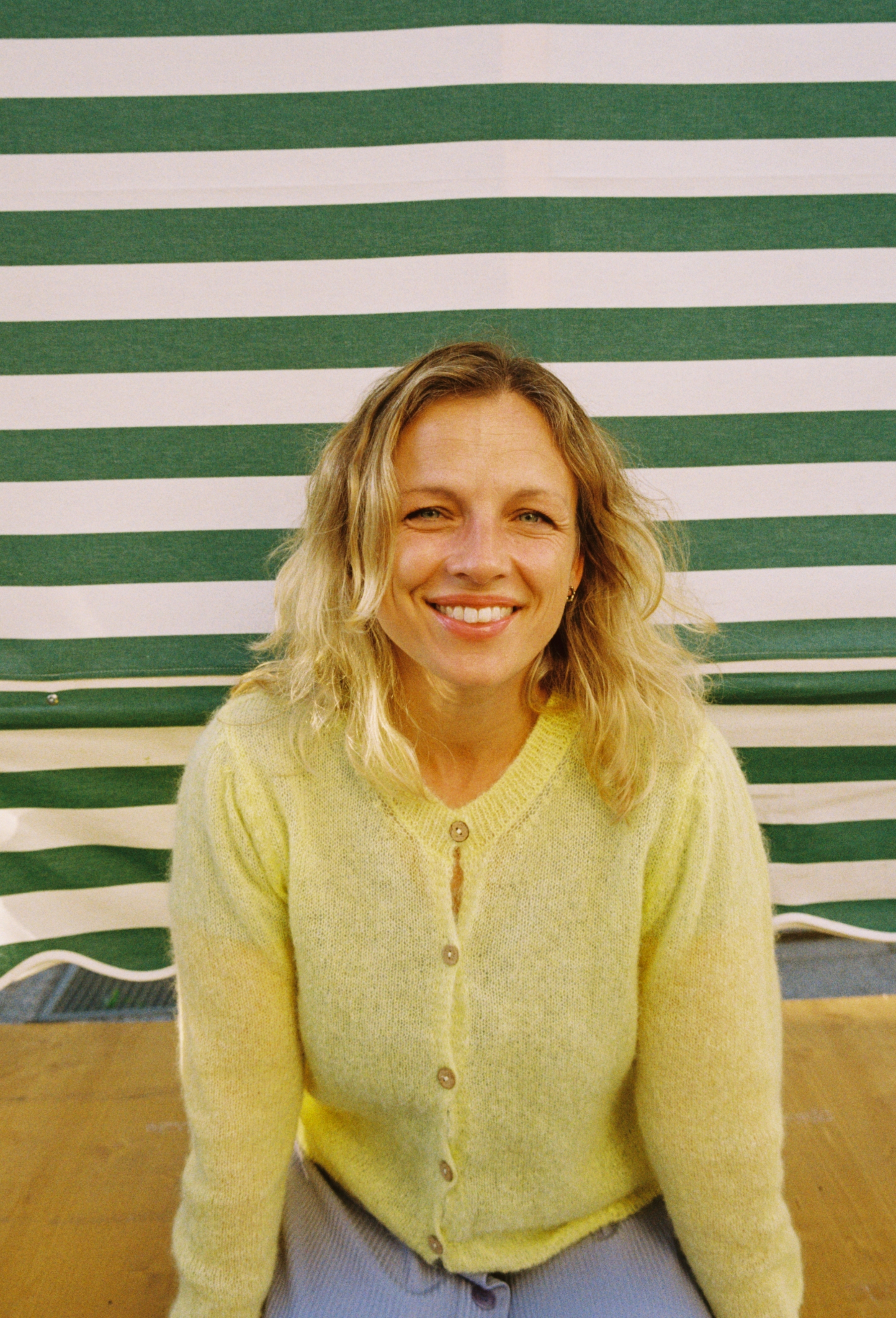
Seven years later, she remains a vital part of The Economist team. Though she is now based in rural Spain, she maintains her connection to the London office, visiting once a month. Her work has evolved to cover some of the most pressing global issues, including visual narratives surrounding the war in Ukraine. For Každailytė, visual communication is not just a career but a tool for real-world impact.
Reflecting on her journey, her advice to those starting out is grounded in the acceptance of flux. She advocates for listening to one’s intuition—or as she puts it, “watching your hands.” She believes that the physical act of creation often knows the way forward before the mind does. Most importantly, she credits her best ideas not to the grind of the office, but to the moments of rest and reflection that allow creativity to breathe.
Source: ELTA


Comments