
Heatwave leaves Lambeth’s park ponds under strain
By the Beehive Web Newsroom
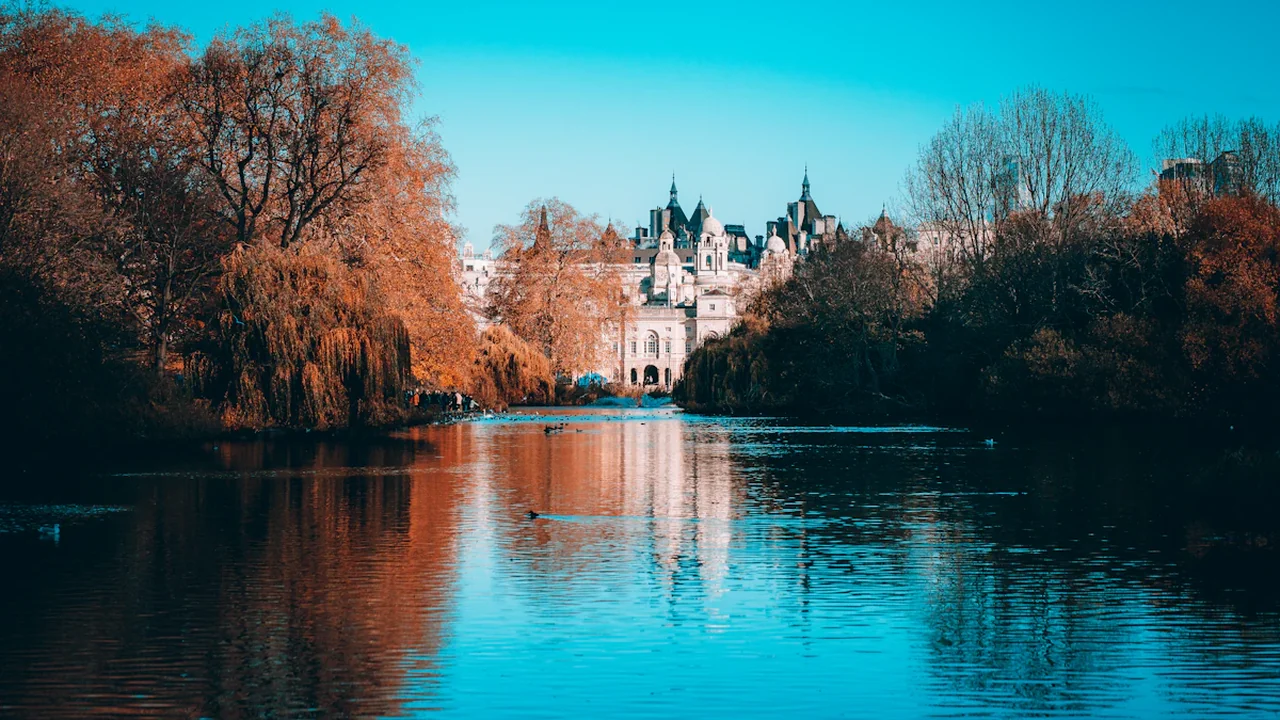
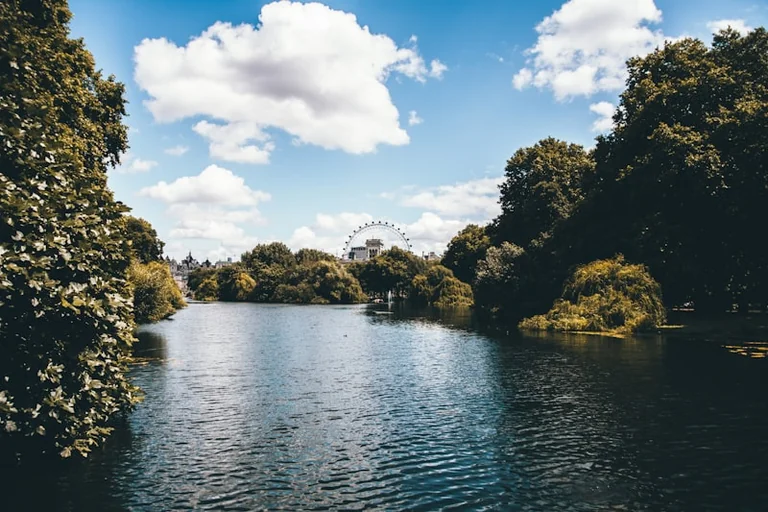
Falling water levels are exposing the effects of prolonged heat across Lambeth’s parks. Ponds and lakes are under pressure, vegetation is growing in parched soil and wildlife is contending with shrinking aquatic habitats.
The conditions have emerged during the fourth heatwave of the year, with temperatures expected to rise above 30C alongside very low rainfall. Lambeth Council says its parks team is managing the immediate effects while gathering information that could shape how green spaces are protected from hotter, drier weather in future.
Read also: UK heatwave could bring 36°C by Thursday
The warning comes as the borough marks Love Parks Week, the national campaign run by Keep Britain Tidy. Lambeth has 100 parks and open spaces, receiving more than seven million visits a year, so visible changes to ponds, plants and wildlife are likely to be noticed across the borough.
Shallow ponds put aquatic habitats under pressure
Water levels have fallen in lakes and ponds across Lambeth. The council says this is affecting fish, amphibians, aquatic invertebrates and birds, although it has not published measurements for individual sites.
Less water can leave a smaller habitat available to aquatic species. Lambeth parks staff are therefore tracking both water levels and oxygen conditions, as well as looking for wider ecological changes. The Environment Agency is involved in this monitoring work.
The council has not announced park closures or public-access restrictions in connection with the heatwave. Its account instead focuses on environmental stress, including dry ground, reduced water and the effects on interconnected plant and animal life.
Cygnet deaths remain unexplained
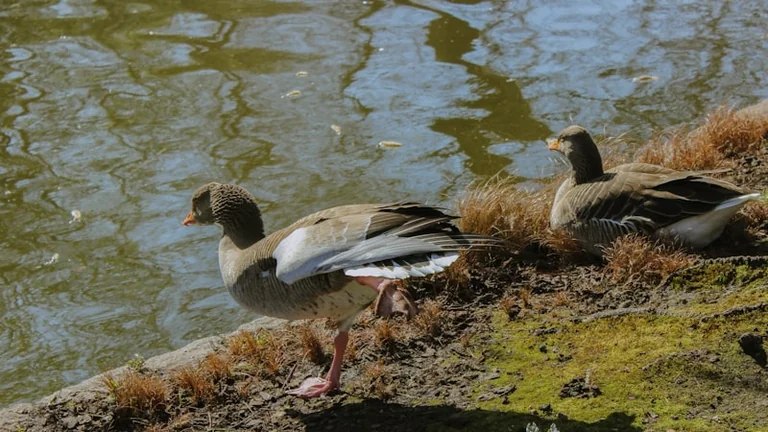
Resident swans in Lambeth and elsewhere in south London have experienced a higher-than-usual number of cygnet deaths during the extended hot and dry period.
Officials have not established a cause. Lower water levels and sustained heat are thought to be possible contributing factors, but the available evidence does not confirm a direct link. That uncertainty is one reason ecological conditions are being monitored rather than the deaths being attributed to a single cause.
The distinction matters for residents who encounter affected wildlife: the council has reported a pattern and possible environmental pressures, but it has not presented a completed investigation or species-by-species assessment.
Parks team monitors oxygen and ecological conditions
Lambeth Council says its staff and the Environment Agency are monitoring water depth, ecological conditions and oxygen levels. Teams will act where possible to limit environmental impacts while also planning for worsening climate pressures.
Deputy council leader Natalie Kane, whose cabinet responsibilities include culture, said the heat was creating “parched soil, falling water levels and stress on the whole local ecosystem”. She said the council was trying to manage the current conditions while making parks more resilient to future climate change.
That longer-term work includes leaving almost 40 per cent of open-space land in a naturalised state. Grass cutting beneath tree canopies has also ended in an effort to support biodiversity.
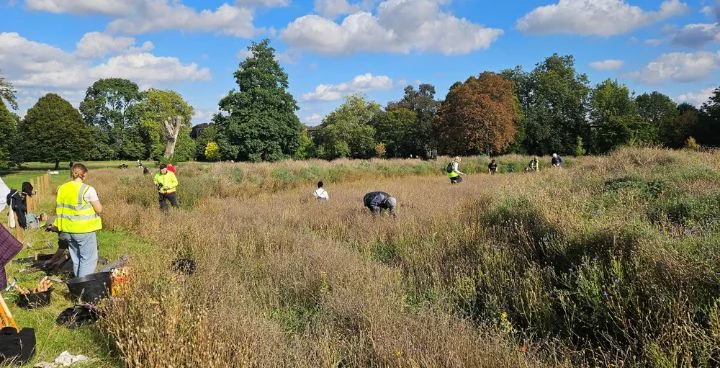
Wildflower meadows have been created beside roads through the Bee Roads project. The borough is planting tree species considered better able to withstand dry weather and carrying out drainage work intended to reduce flooding during heavy rain. Similar efforts elsewhere in London include climate-resilient urban tree planting.
Familiar green spaces may look less manicured
Naturalised areas, wildflower planting and uncut grass below trees can give parts of a park a less closely managed appearance. In Lambeth, these features form part of the stated response to biodiversity loss and more extreme weather rather than being presented as short-term heatwave measures.
Keep Britain Tidy awarded Green Flag status to three more council-managed parks in the month before the statement, bringing Lambeth’s total to 30. The awards recognise park management, but they do not remove the environmental risks posed by persistent heat and low rainfall.
Lambeth Council says monitoring will continue as teams assess what can be done during the current dry conditions and how the borough’s parks should adapt to hotter weather.
Source: London Borough of Lambeth
Context & actions About this article
Source check How this story was checked
The report distinguishes confirmed park conditions and monitoring work from unproven explanations for wildlife deaths.
- Checked the reported number of Lambeth parks, annual visits and Green Flag awards against...
- Preserved the council’s distinction between observed falling water levels and the uncertai...
- Confirmed that the Environment Agency is identified as working with the Lambeth parks team...
- Did not infer park closures, access restrictions or individual site readings that were abs...
- Source
- London Borough of Lambeth
- Scope
- London Borough of Lambeth
- Updated
- 2026-08-11 18:27
Source check
Report a trust issue
Send a clear signal to community moderation if the source, facts or context need review.



Comments