
Lithuania and Ukraine Pivot to Localized Defense and EU 2030 Goal
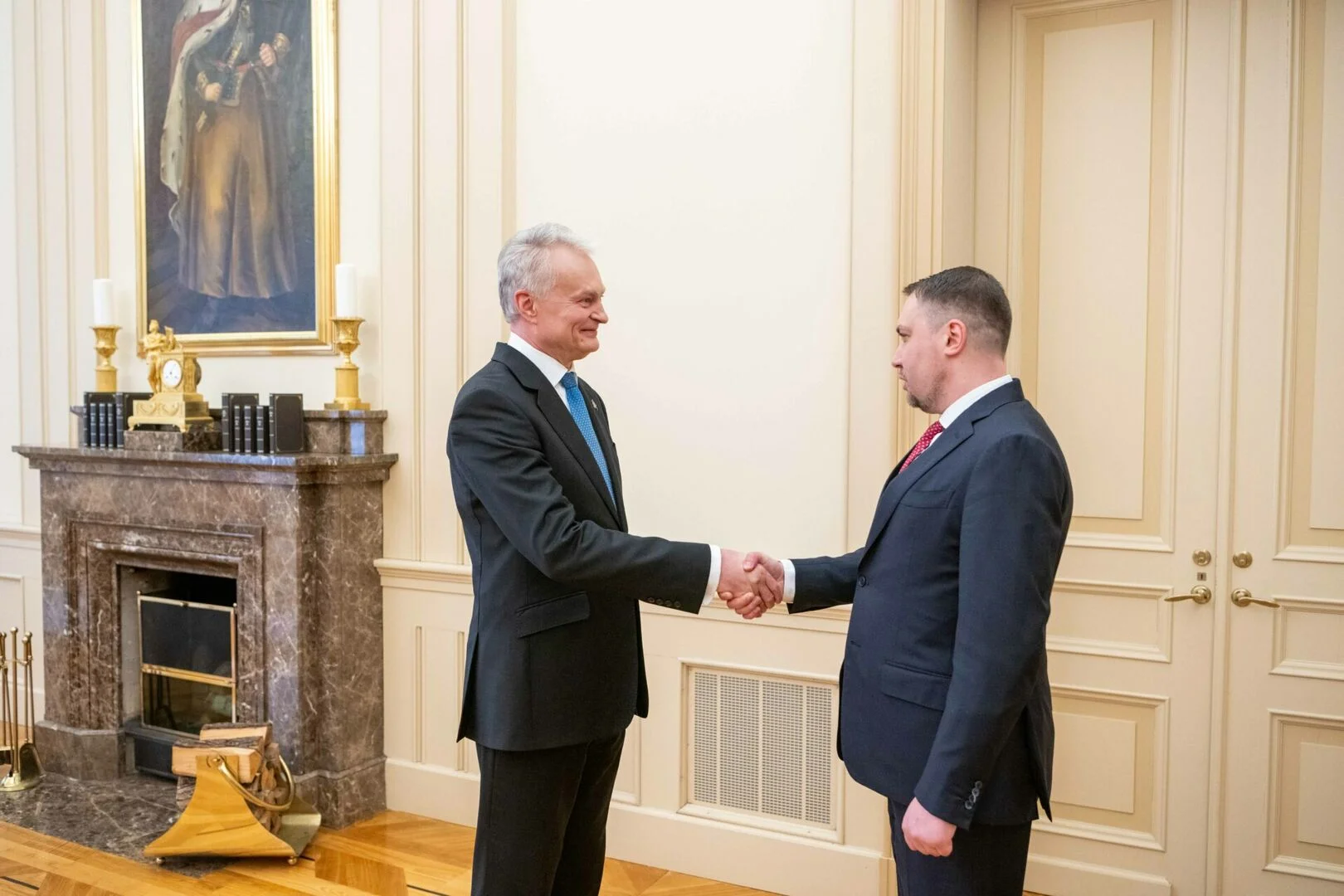
Lithuanian President Gitanas Nausėda met with Kyrylo Budanov, the head of Ukraine’s military intelligence, on Monday to solidify a strategic shift in how the Baltic nation supports Kyiv’s defense against Russian aggression. The high-level meeting in Vilnius signaled a transition from immediate military aid toward long-term industrial integration and firm security guarantees within the European framework.
During the discussions, the two leaders focused on the localization of defense manufacturing, a move intended to make Ukraine’s military capabilities more resilient and less dependent on external logistics. As a frontline NATO state on the Eastern Flank, Lithuania is increasingly positioning itself as a primary investor in Ukraine’s domestic arms industry, seeking to establish production facilities directly on Ukrainian soil.
Strengthening the Military-Industrial Axis
The dialogue between Nausėda and Budanov underscored a critical evolution in regional security: the move toward joint defense ventures. President Nausėda emphasized that Lithuania is not merely a donor of equipment but a strategic partner in developing Ukraine’s own military-industrial complex. This includes specific cooperation in air defense technology and the localization of manufacturing processes.
“Lithuania supports and will continue to support Ukraine in all areas, providing comprehensive political, military, and financial support, as well as humanitarian aid,” Nausėda stated. He noted that the current geopolitical climate requires more than just a pursuit of peace; it demands collective, decisive actions from NATO and EU partners to ensure Ukraine has the necessary resources for 2024 and beyond.
This shift toward localization is seen by analysts as a response to the prolonged nature of the conflict. By embedding defense production within Ukraine, Lithuania helps create a sustainable military infrastructure that can withstand the economic and logistical pressures of a long-term war of attrition.
A Roadmap to European Integration
Beyond the immediate needs of the front line, the meeting addressed Ukraine’s political future. President Nausėda reaffirmed Lithuania’s strategic ambition to see Ukraine become a full member of the European Union by 2030. This timeline is one of the most ambitious proposed by any EU member state, reflecting Vilnius’s belief that Ukrainian membership is the ultimate security guarantee for the entire continent.
Lithuania continues to advocate for accelerated accession negotiations, arguing that integrating Ukraine into the European single market and security architecture is essential for stabilizing the region. Nausėda described this path as a “fundamental security guarantee” that extends far beyond Ukraine’s borders, impacting the safety of the entire European project.
Regional Security and Humanitarian Commitments
The talks also covered the critical situation regarding energy security and the ongoing humanitarian crisis. Lithuania has been a vocal proponent of aiding Ukraine’s energy sector, which has faced consistent targeting by Russian strikes. Furthermore, the President highlighted Lithuania’s involvement in the international effort to locate and return Ukrainian children who have been deported to Russia.
As Russia shows no signs of de-escalating its aggression despite significant economic and military losses, the Vilnius meeting serves as a reminder of the hardening resolve among Ukraine’s closest neighbors. The focus remains on ensuring that the support provided is not just reactive, but strategically designed to integrate Ukraine into the Western security and economic fold permanently.
Original reporting by: bns
Source: BNS


Comments