
Lithuania Reopens Critical Kėdainiai Bridge Following 2023 Collapse
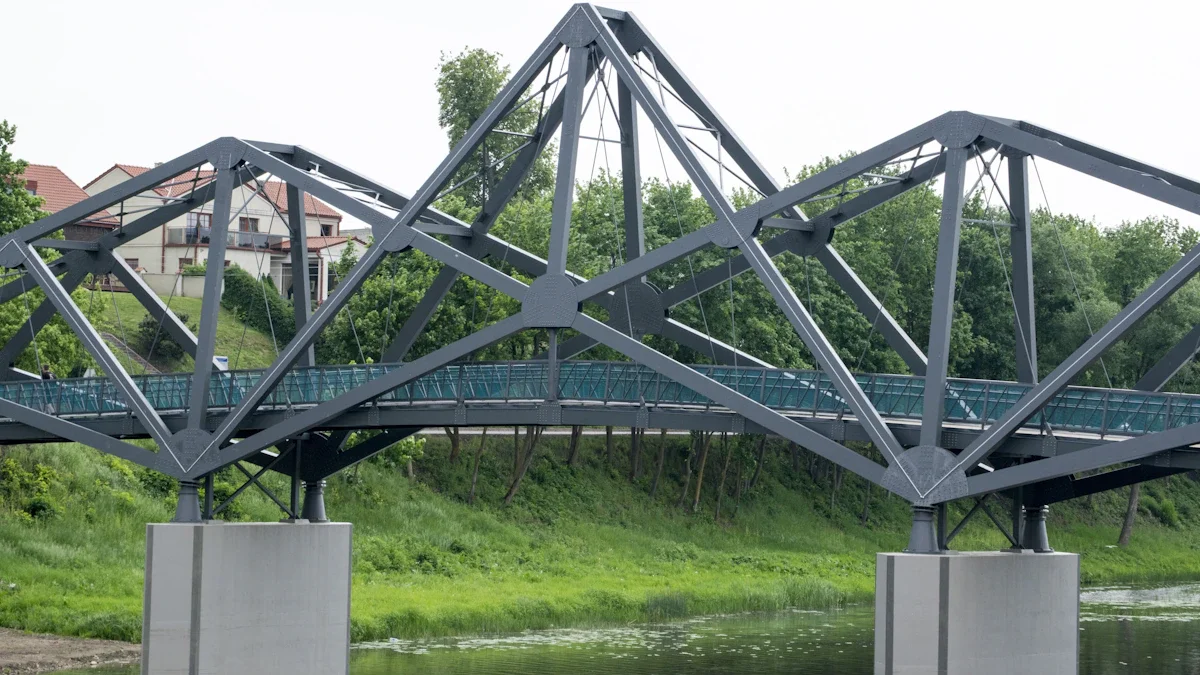
The Kėdainiai Old Town bridge has officially reopened to the public, marking a significant milestone in Lithuania’s efforts to modernize its aging regional infrastructure. President Gitanas Nausėda attended the opening ceremony on Sunday, emphasizing that while the bridge’s restoration is a victory for the local community, the pace of such critical repairs remains a point of national concern.
The bridge, which serves as a vital artery for the historic city of Kėdainiai, became a symbol of infrastructure neglect on January 31, 2023, when a portion of its structure dramatically collapsed into the Nevėžis river. At the time, the incident sparked a nationwide debate regarding the safety of Soviet-era constructions and the disparity in funding between major urban hubs and regional municipalities.
A Symbol of Regional Recovery
During the ceremony, President Nausėda noted that the rebirth of the bridge reflects a shifting perspective toward regional policy. However, he did not shy away from criticizing the timeline of the project. Despite the successful completion, the President argued that the bureaucracy and execution of such vital repairs must become more agile.
“The rebirth of this bridge shows that the attitude towards the regions is changing,” the President stated. “However, we must be honest—three years for such a reconstruction is too long a period, especially today when we must strengthen our resilience and ability to quickly restore critical infrastructure.”

His comments highlight a broader European challenge: the need to balance rigorous safety standards and procurement laws with the urgent necessity of maintaining functional transport links. For Kėdainiai, a city defined by its relationship with the Nevėžis river and its tributaries, the bridge is more than a convenience; it is an essential component of the local economy and social fabric.
Strategic Importance and Military Mobility
The reconstruction of Lithuania’s road and bridge network has taken on a new dimension in light of the current geopolitical climate in Eastern Europe. President Nausėda emphasized that investments in infrastructure are no longer just about civilian comfort but are now a matter of national security.
In the context of NATO’s eastern flank, “military mobility” has become a priority. Bridges must be capable of supporting heavy equipment and rapid deployment, making the structural integrity of regional crossings a strategic asset. The President noted that the current security environment demands a faster, more robust approach to infrastructure management than was previously acceptable during peacetime.

The Future of Kėdainiai’s Infrastructure
Kėdainiai currently manages several key crossings over the Nevėžis. With the Old Town bridge now operational, the city’s infrastructure plan is moving into its final phases. The following table outlines the current status of the city’s primary automotive connections:
| Infrastructure Project | Current Status |
|---|---|
| Old Town Bridge | Fully Renovated & Reopened |
| Second City Bridge | Reconstruction Completed |
| Remaining Two Bridges | Awaiting Scheduled Reconstruction |
| National PPP Program | Project Lists & Funding Models in Development |
Once the remaining two bridges are addressed, local authorities believe the city’s automotive infrastructure will finally meet modern safety and capacity requirements.
A New Funding Model for National Roads
To address the backlog of repairs across the country, Lithuania is shifting toward a Public-Private Partnership (PPP) model. The President expressed optimism regarding the newly developed national road and bridge renewal program, which aims to leverage private sector efficiency and capital.
Legislation has already been amended to facilitate these partnerships, and responsible institutions are currently finalizing the list of priority projects. This shift mirrors similar infrastructure strategies seen in the UK and other Western European nations, where the state seeks to accelerate large-scale engineering projects by sharing the financial and operational risks with private contractors. For the residents of Kėdainiai, the hope is that this new model will ensure that future repairs do not leave the community divided by a river for years at a time.
Source: BNS


Comments