
Lithuania’s Civic Power Surge: The Rise of the Regular Volunteer
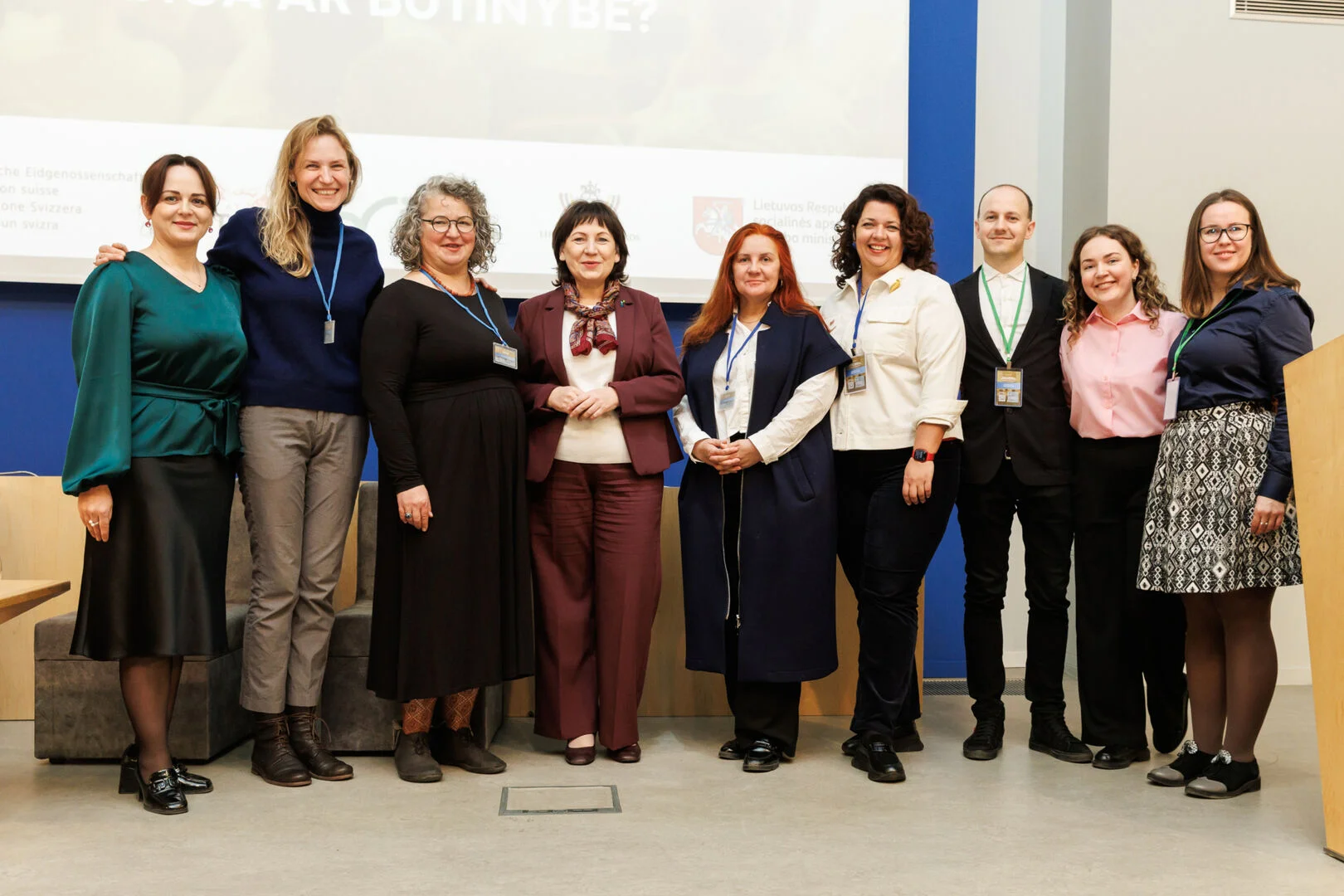
Lithuania is witnessing a significant shift in its social fabric. New data from the 2025 Civic Power Index reveals that the country’s civic strength has climbed from 36.8 points in 2024 to 38.5 points in 2025. While a two-point jump might seem modest on paper, it represents a profound transition from spontaneous, one-off acts of kindness to a structured, sustainable culture of engagement.
This growth is being driven by a maturing volunteering sector that is currently undergoing a professional transformation. At the heart of this change is the development of a National Volunteering Standard, an ambitious project designed to move the country away from “intuitive” help toward a system rooted in clarity, safety, and mutual respect.
The Gap Between Giving and Doing
Data released by the Ministry of Social Security and Labour highlights a curious dichotomy in Lithuanian society. While nearly half of the population (49%) is comfortable donating money to causes, only 14% are currently engaged in direct volunteering. This puts Lithuania behind European leaders like the Netherlands and Austria, where roughly every second citizen participates in some form of voluntary work.

However, the quality of engagement in Lithuania is intensifying. The proportion of those who volunteer regularly—at least once a month—has surged from 28% to 39% in just one year. This suggests that while the total number of volunteers isn’t yet exploding, those who do step up are becoming more committed and reliable.
| Metric | 2024 | 2025 |
|---|---|---|
| Civic Power Index Score | 36.8 | 38.5 |
| Regular Monthly Volunteering | 28% | 39% |
| Overall Volunteering Rate | 14% | 14% |
| Population Donating Money | 46%* | 49% |
Estimated based on historical trends provided in the index report.

Moving Beyond Intuitive Volunteering
For years, volunteering in Lithuania has often been a chaotic affair. Dr. Neringa Kurapkaitienė, a co-creator of the National Volunteering Standard, notes that many organisations have historically lacked a clear framework for managing help. In some cases, volunteers arrive ready to work, only for the organisation to scramble to find a task for them.
The new National Volunteering Standard, developed by experts from 16 major NGOs with support from the Swiss Confederation, aims to rectify this. The goal is to treat the volunteer role with the same level of seriousness as a professional employee. This includes clear role descriptions, safety protocols, and structured onboarding processes. The logic is simple: when the experience is professional and rewarding, volunteers are more likely to return and recruit others.

The Economic Argument for Civic Engagement
Beyond social cohesion, there is a hard economic case for strengthening the voluntary sector. Research commissioned by Daiva Ulbinaitė of the Seimas Social Affairs Committee highlights that in mature economies, volunteering is a major contributor to GDP. In the Netherlands, the economic value of volunteering is estimated at 3–5% of GDP, while in Sweden, the contribution of civil society reaches as high as 6.1%.
Lithuania currently has approximately 400,000 active volunteers. If the country can successfully professionalise this force, it stands to unlock significant social and economic value. The ambition is not just to reach a number—such as the 2030 target of 22% participation—but to create a model of quality that could serve as a benchmark for the rest of Europe.
A Demographic Shift in Participation
The 2025 index also points to a shifting demographic profile of the Lithuanian volunteer. There has been a marked increase in participation among young people, those with higher education, and individuals in leadership positions within the labor market. While this indicates a strong “top-down” trend of civic responsibility, officials stress that the next challenge is making volunteering accessible and safe for all social groups, including the most vulnerable.
As Lithuania moves toward its 2030 goals, the focus remains on building a system where every hour of donated time is managed with the same precision as a paid shift. By removing the friction of “chaotic practice,” the state hopes to turn civic power into a permanent engine for national resilience.
Source: BNS


Comments