
Lithuania’s Digital Stars: Paulius Samoška Sweeps Inaugural ‘Patinka’ Awards
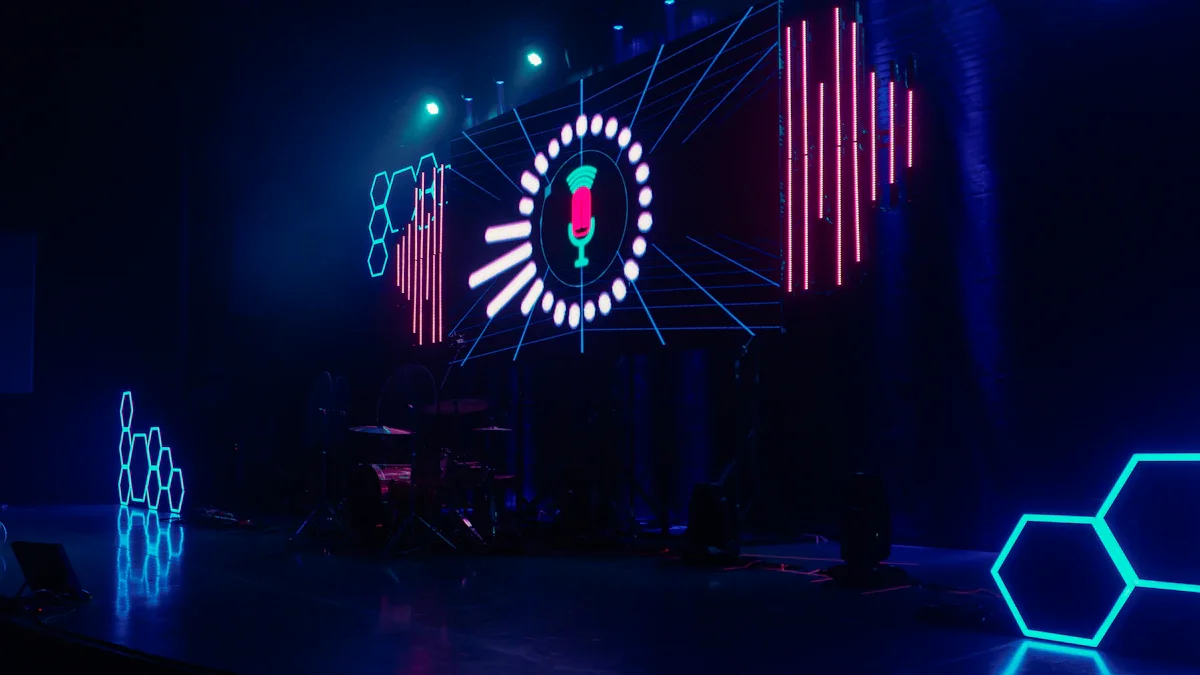
The red carpet at Klaipėda’s Theatre Square was transformed on Sunday evening as Lithuania’s most influential digital figures gathered for the first-ever ‘Patinka’ (Like) awards. This landmark event, held at the historic Klaipėda Drama Theatre, signals a new era of professional recognition for social media creators in the Baltic region, moving beyond simple ‘likes’ toward a data-driven assessment of quality and cultural impact.
While the UK has long established its own social media hierarchies through events like the Social Media Awards, Lithuania’s ‘Patinka’ ceremony attempted something more comprehensive. It sought to bridge the gap between niche internet subcultures and mainstream entertainment, bringing together creators from humor and travel to education and women’s health. The evening was not just a celebration of follower counts, but a reflection of how digital storytelling has become the primary lens through which the country consumes news, lifestyle, and culture.
The Rise of the Authentic Traveler
The night’s undeniable victor was Paulius Samoška, a creator whose rise to prominence reflects a growing European trend toward ‘raw’ and regional authenticity. Samoška, known for his distinct Samogitian (Žemaitis) character—a regional identity in Western Lithuania often associated with stubbornness and grit—walked away with two statuettes, including the coveted ‘Most Liked’ award.
His victory speech resonated with a humility that contrasted with the typical influencer polish. “I never thought I could get an award for being the best traveler in Lithuania,” Samoška told the audience. “I just bought the best ticket and drove the best distance in my Passat.” The mention of his Volkswagen Passat is a calculated nod to his ‘everyman’ persona; in the Baltic context, the vehicle is a symbol of practical, unpretentious rural life, a far cry from the luxury jets often associated with international travel influencers.

A Spectrum of Digital Influence
The awards highlighted that the Lithuanian digital landscape is increasingly segmented into specialized expertise. Karolina Meschino, perhaps the country’s most recognizable fashion icon, took home the ‘Style’ award, while the ‘Taste’ category was won by Kristina Pišniukaitė, reflecting the professionalization of the culinary blogging scene.
However, the ceremony also recognized creators who tackle more serious societal issues. The ‘Perspective’ award went to Andrius Tapinas, a journalist and activist who has pioneered crowdfunding for military aid and social causes. Similarly, the ‘Well-being’ category was won by ‘Žemiau Bambos’ (Below the Navel), a platform dedicated to women’s health and breaking taboos surrounding the female body. This inclusion suggests that the ‘Patinka’ awards are looking for creators who provide civic value alongside entertainment.
Data Meets Public Opinion
To avoid the pitfalls of a pure popularity contest, the organizers utilized a multi-stage evaluation model. The initial nominee list was generated using data from ‘Repsense,’ an analysis tool that measures digital reputation and engagement quality. These shortlists were then vetted by an expert jury, while the public was given the final say in the ‘Most Liked’ category.

This hybrid approach aims to lend the awards a level of institutional credibility often missing from social media ceremonies. By involving figures like Liudvikas Andriulis, a prominent tech entrepreneur, and Arvydas Rimas of the TV3 Media Group, the event positioned itself as a serious industry benchmark rather than a fleeting fan event.
The Cultural Shift in Klaipėda
Choosing Klaipėda as the host city was a strategic move. While Vilnius remains the political and financial heart of Lithuania, the port city of Klaipėda provided a scenic, slightly more relaxed backdrop that suited the ‘diverse and unpredictable’ nature of the digital scene. The evening featured performances ranging from TikTok sensation Saulius SJ to the improvisational comedy of ‘Improwoodas,’ mirroring the eclectic nature of a social media feed.
As the first of its kind, the ‘Patinka’ awards have set a precedent for how the Baltic states might continue to formalize the creator economy. For readers in the UK and beyond, it serves as a case study in how a smaller market can successfully professionalize its digital stars by blending data analytics with a strong sense of national and regional identity.
Source: ELTA



Comments