
Lithuania’s €88M Innovation Gamble: Can Missions Drive the Economy?

Main details for residents
Lithuania has reached a pivotal milestone in its national R&D strategy, transitioning from experimental phases to the implementation of an €88.34 million “Innovation Missions” framework. This initiative, coordinated by the country’s Innovation Agency, represents a significant shift in how the Baltic state allocates capital, moving away from broad academic grants toward targeted, solution-oriented projects designed to address specific societal challenges.
The funding structure reveals a heavy reliance on international support, with €76.69 million sourced from the European Union’s Recovery and Resilience Facility (RRF), supplemented by €11.65 million from the Lithuanian national budget. This financial injection is not merely a subsidy for existing labs but a strategic attempt to bridge the “valley of death” between scientific discovery and commercial viability.
| Mission Focus | Primary Objectives |
|---|---|
| Health Innovations | Early disease diagnostics and the establishment of a gene technology center for advanced therapies. |
| Climate Neutrality | Development of low-carbon construction materials and next-generation sustainable road surfaces. |
| Digital Security | Strengthening national cyber resilience and creating tools to combat financial fraud and hybrid threats. |
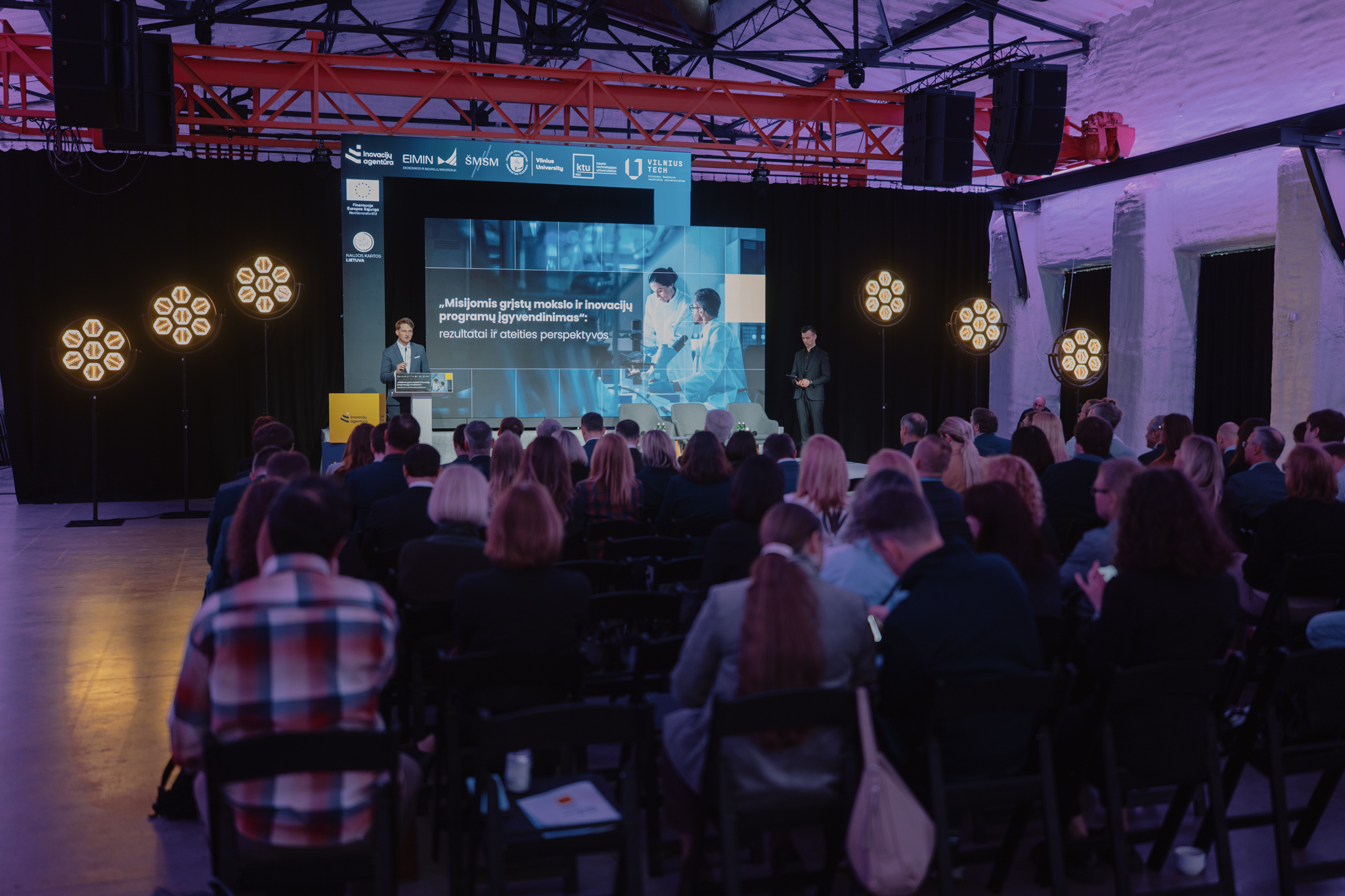
While the headline figure of €88 million is substantial for a country of Lithuania’s size, the real measure of success lies in the projected long-term returns. The project has facilitated the creation of three new competence centers led by the country’s top academic institutions: Vilnius University, VILNIUS TECH, and Kaunas University of Technology (KTU). These centers are designed to act as magnets for high-value talent and private investment.
However, the transition to a mission-based model is not without its caveats. While the Innovation Agency projects that these centers will generate over €30 million in market value by 2029, this figure remains a forecast. The success of the “Smart and Climate Neutral Lithuania” mission, for instance, depends heavily on the construction industry’s willingness to adopt new, potentially more expensive materials during a period of economic volatility.
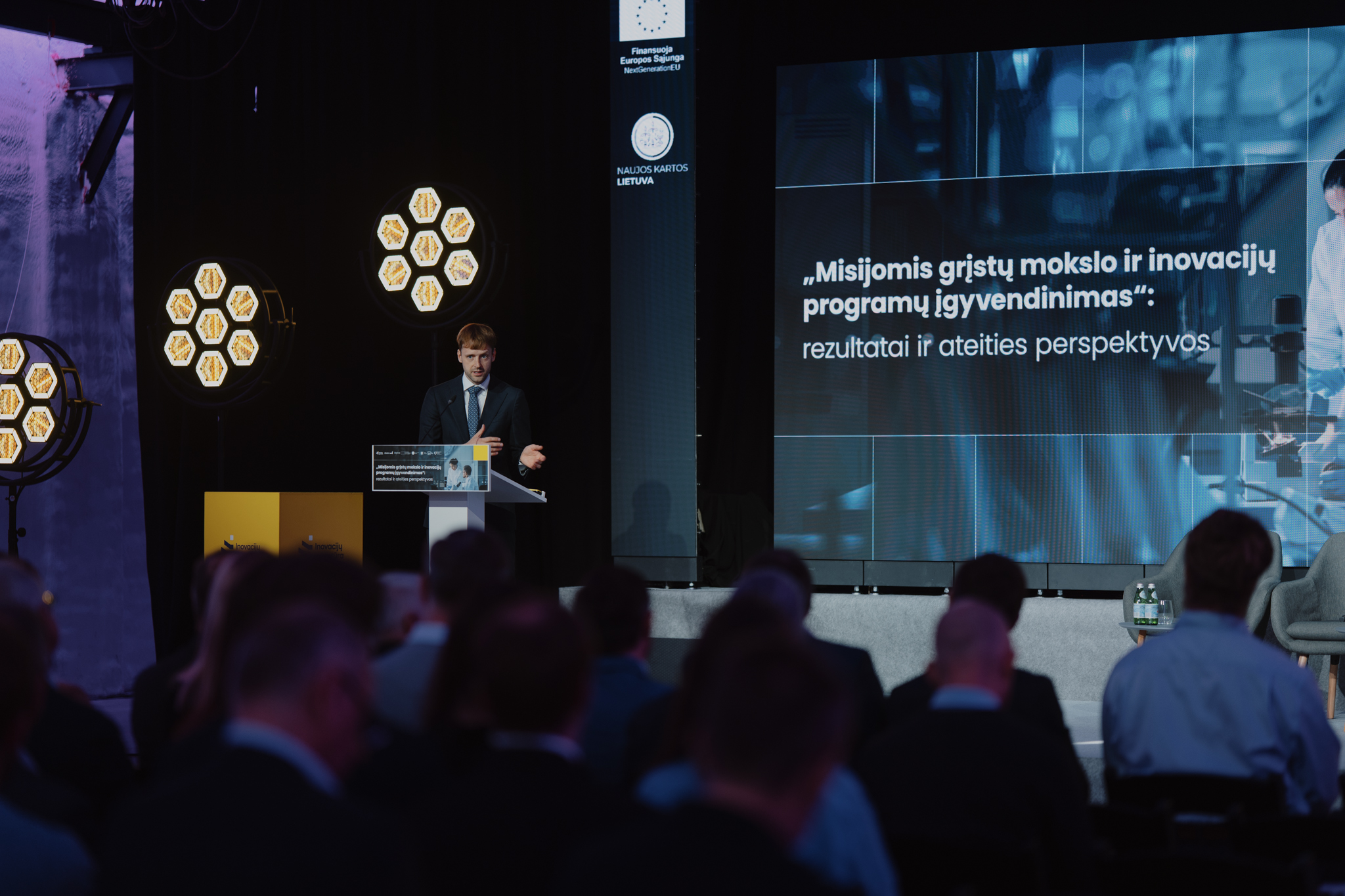
The implementation phase is scheduled to continue until June 2026. By then, the government expects the infrastructure to be fully operational, serving as a permanent ecosystem where science and business can co-create. For international observers, Lithuania’s model serves as a test case for whether mid-sized European economies can successfully use EU recovery funds to pivot toward a high-added-value, innovation-led growth model.
Source: ELTA




Comments