
Millions in Water Fines to Fund 300+ Local River Cleanup Projects
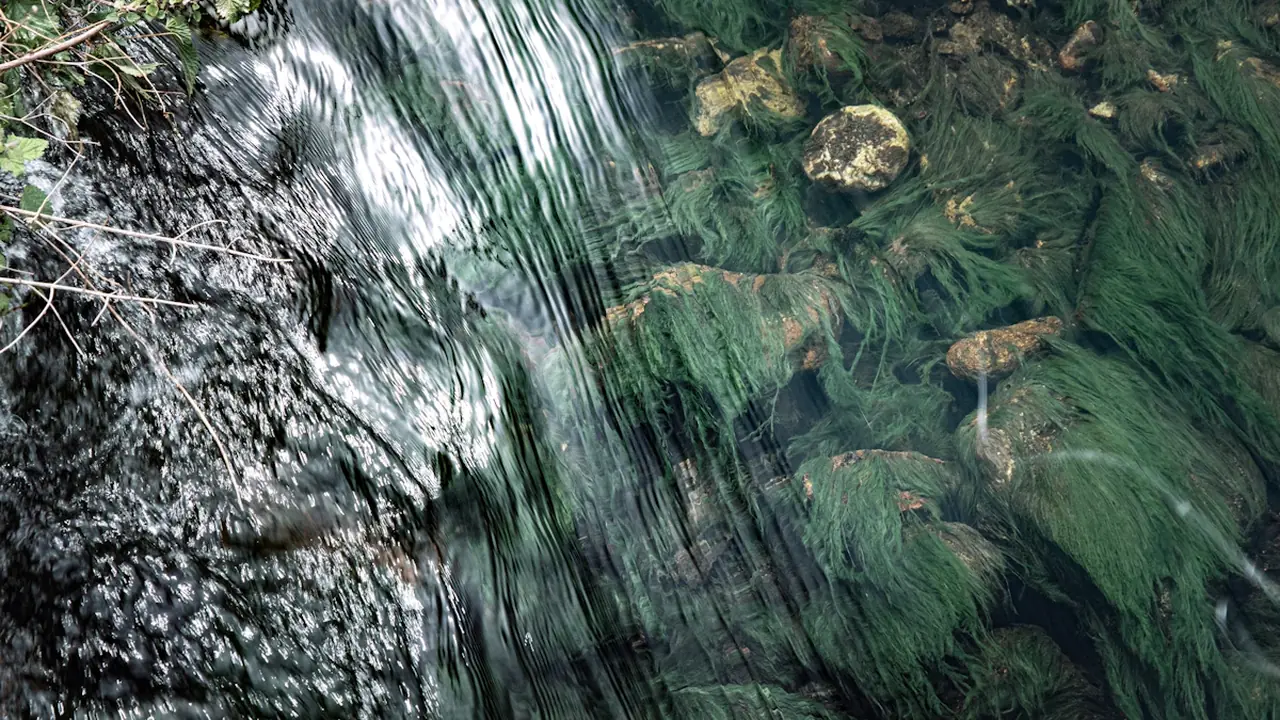
More than 300 local environmental projects across England are set to receive a share of £11 million in funding aimed at restoring waterways, planting trees, and creating new wildlife habitats. The investment, which includes nearly £6 million derived directly from water company fines, marks a significant shift in how environmental damage is addressed through the ‘polluter pays’ principle. This funding, managed by the Environment Agency through the Water Environment Improvement Fund, is expected to improve over 1,300km of rivers and facilitate the planting of more than 100,000 trees. Beyond reforestation, the initiative targets the restoration of 800 hectares of natural habitat, designed to reduce flood risks and improve water quality for local communities.
Targeted Regional Restoration Efforts
The projects are led by a coalition of local organizations, including Wildlife Trusts, Rivers Trusts, local councils, and private landowners. By leveraging local knowledge, these groups aim to address specific ecological challenges that have historically lacked resources. Notable regional efforts include:
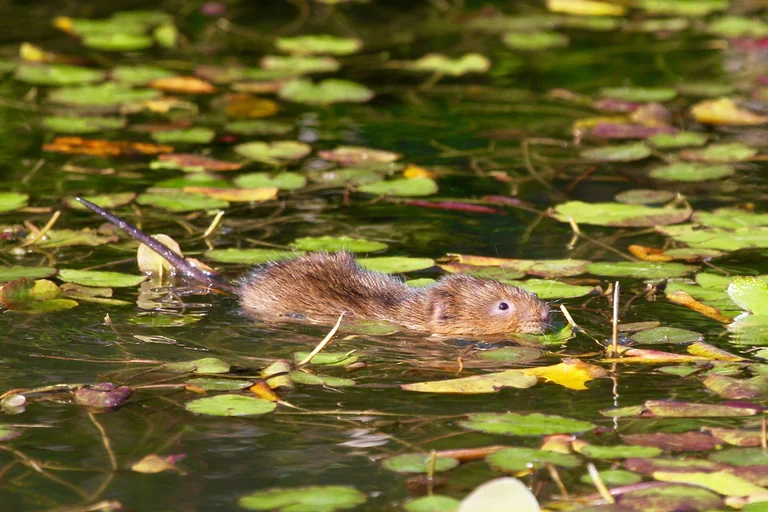
- River Wey, Surrey: A £49,000 grant supports the recovery of water voles, a species that had become locally extinct. The project has already seen the successful release of 190 voles across six sites, supported by over 3,000 volunteer hours.
- River Tyne, Newcastle: A £165,000 investment is funding the creation of a 230-metre saltmarsh barrier. By using natural brushwood bundles, the project aims to slow river flow and create a safe nursery habitat for young fish.
- River Frome, Gloucestershire: With £60,000 in funding, the Wilder Frome project is removing physical barriers to fish migration, specifically targeting eels and salmon, while working with local landowners to reduce sediment and nutrient runoff.
Governance and Future Accountability
Environment Secretary Dame Angela Eagle stated that the funding is part of a broader effort to hold water companies accountable for pollution and service failures. These financial penalties are intended to offset environmental damage and provide tangible benefits to the communities affected by rising bills and poor water quality. The Environment Agency, which manages the fund, emphasizes that these projects are designed to fix issues that would otherwise remain unaddressed.

To ensure communities have a greater role in future decisions, the government is establishing regional water councils. These bodies will be written into law following the Water Bill, allowing residents to help set regional priorities and directly engage with water companies regarding pollution and local river restoration. This structure is intended to bring water companies into direct dialogue with the communities they serve, ensuring that future environmental strategies are informed by those living closest to the affected waterways. These councils will serve as the primary mechanism for residents to influence how local water issues are handled moving forward.
Source: Department for Environment Food and Rural Affairs News
Context & actions About this article
Source check Official Government Source
This report is based on the official press release from the Department for Environment, Food & Rural Affairs (Defra) published on November 28, 2026.
- Verified against Defra press release dated 28/11/2026
- Cross-referenced project details with Environment Agency funding criteria
- Source
- Department for Environment, Food & Rural Affairs
- Scope
- England
- Updated
- 2026-11-28 07:35
Source check
Report a trust issue
Send a clear signal to community moderation if the source, facts or context need review.


Comments