
Rhys grew up as London gene therapy reached 135 children
By the Beehive Web Health Desk | Published 23 July 2026 | Source: Great Ormond Street Hospital News
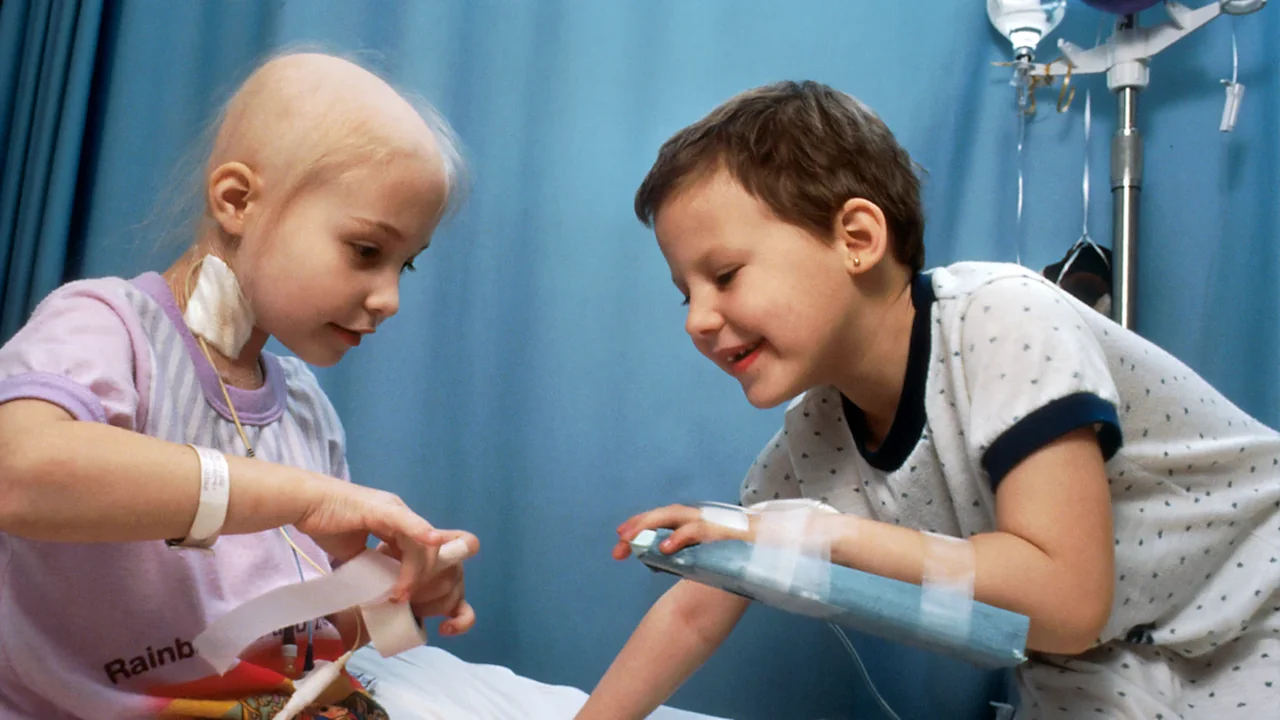
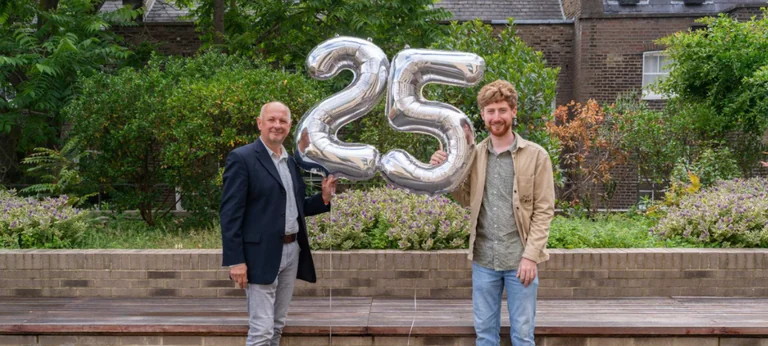
Rhys Evans returned to Great Ormond Street Hospital for a reunion with the clinical team that treated him as a one-year-old. Now 25, he represents the practical impact of a medical programme that has delivered gene therapies to more than 135 children with rare and life-threatening conditions.
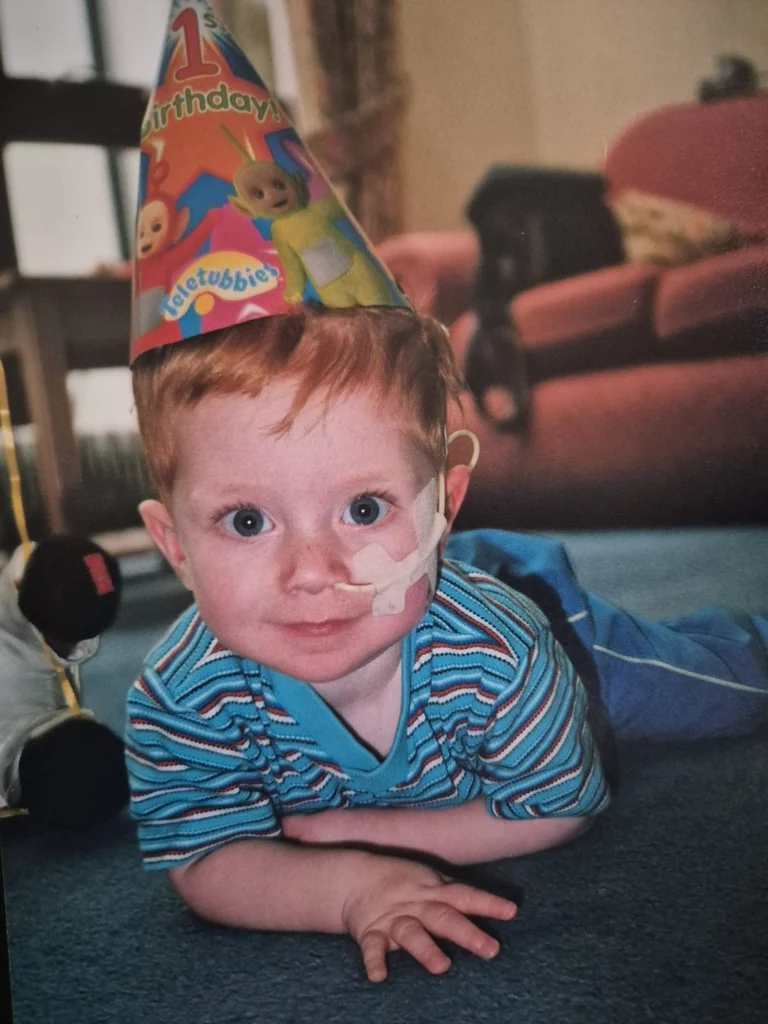
The anniversary marked a quarter of a century since Rhys became the first child in the UK to receive gene therapy. The treatment allowed his immune system to begin developing within weeks, giving him the chance to attend school and university, see friends and plan an adult life.
“I wouldn’t be here without the treatment I received at GOSH,” Rhys said. “It’s incredible to see how 25 years on gene therapy has helped so many children like me.”
A one-year-old patient facing severe immune deficiency
Rhys, originally from Cardiff and now living in Minehead, was diagnosed with Severe Combined Immunodeficiency, known as SCID. The rare condition leaves babies without a functioning immune system, making ordinary infections a serious threat.
In 2001, the treatment available to patients such as Rhys was a bone marrow transplant, which the hospital described as an exceptionally difficult procedure. Researchers at Great Ormond Street Hospital and University College London were developing another approach: inserting a working copy of a gene into a patient’s own cells to replace a faulty gene or stop a disease-causing gene from functioning.
Professors Bobby Gaspar and Adrian Thrasher pioneered that work. Kimberly Gilmour, now GOSH’s chief of laboratory medicine, processed Rhys’s cells during the first treatment.
The procedure came with uncertainty. Gilmour recalled that the team had never previously worked with fresh cells and did not know whether the treatment would provide a cure. Rhys’s parents and Professor Thrasher watched through the laboratory glass because the rooms had no intercom or mobile-phone connection.
Twenty-five years of treatment moved beyond one trial
Since Rhys received his therapy, GOSH teams have delivered 35 different gene and cell therapy treatments to babies, children and young people. Many were provided through clinical trials, while an increasing number have become available through the NHS.
The programme now covers immunodeficiencies, other rare genetic disorders and spinal muscular atrophy. Some early patients who had faced the possibility of dying before their second birthday have since grown into adults.
The work depends on collaboration between scientists, clinicians and specialist manufacturing teams. Since 2007, more than 90 gene therapy products have been developed at the hospital’s Cell and Gene Therapy Facility, which manufactures advanced therapy medicinal products for clinical use.
GOSH says it has treated more gene therapy patients than any other centre in Europe. Its research and clinical work is conducted with University College London Great Ormond Street Institute of Child Health and the NIHR GOSH Biomedical Research Centre.
What gene therapy changed for children with SCID
Gene therapy does not describe one universal procedure for every inherited condition. In Rhys’s case, the aim was to correct the underlying genetic fault using his own cells so that his immune system could develop.
Jinhua Xu-Bayford, the hospital’s gene therapy and immunology clinical nurse specialist lead, said conventional treatment was not always viable for children with SCID. She has infused every patient who received gene therapy in a GOSH trial over the past 25 years.
“When we started being able to offer gene therapy for patients it was so wonderful to be able to tell parents that there was another chance for their child that could transform their life,” she said.
The milestone event at the Zayed Centre for Research into Rare Disease in Children brought Rhys and his parents together with the clinicians who cared for him. Researchers are now working on another generation of therapies, including potential treatments for rare heart and metabolic conditions.
Source: Great Ormond Street Hospital News
Context & actions About this article
Source check Source trail
This report is based on Great Ormond Street Hospital’s account published on 23 July 2026, with clinical claims and figures attributed to that source.
- Confirmed Rhys Evans was treated in 2001 and identified as the first UK child to receive g...
- Retained the hospital’s figure of more than 135 children treated without extending it into...
- Distinguished clinical-trial treatments from therapies increasingly available through the...
- Checked the stated totals of 35 gene and cell therapy treatments and more than 90 products...
- Source
- Great Ormond Street Hospital News
- Scope
- United Kingdom
- Updated
- 2026-07-23 12:24
Source check
Report a trust issue
Send a clear signal to community moderation if the source, facts or context need review.



Comments