
Why Going Home for the Holidays is a Non-Negotiable Tradition
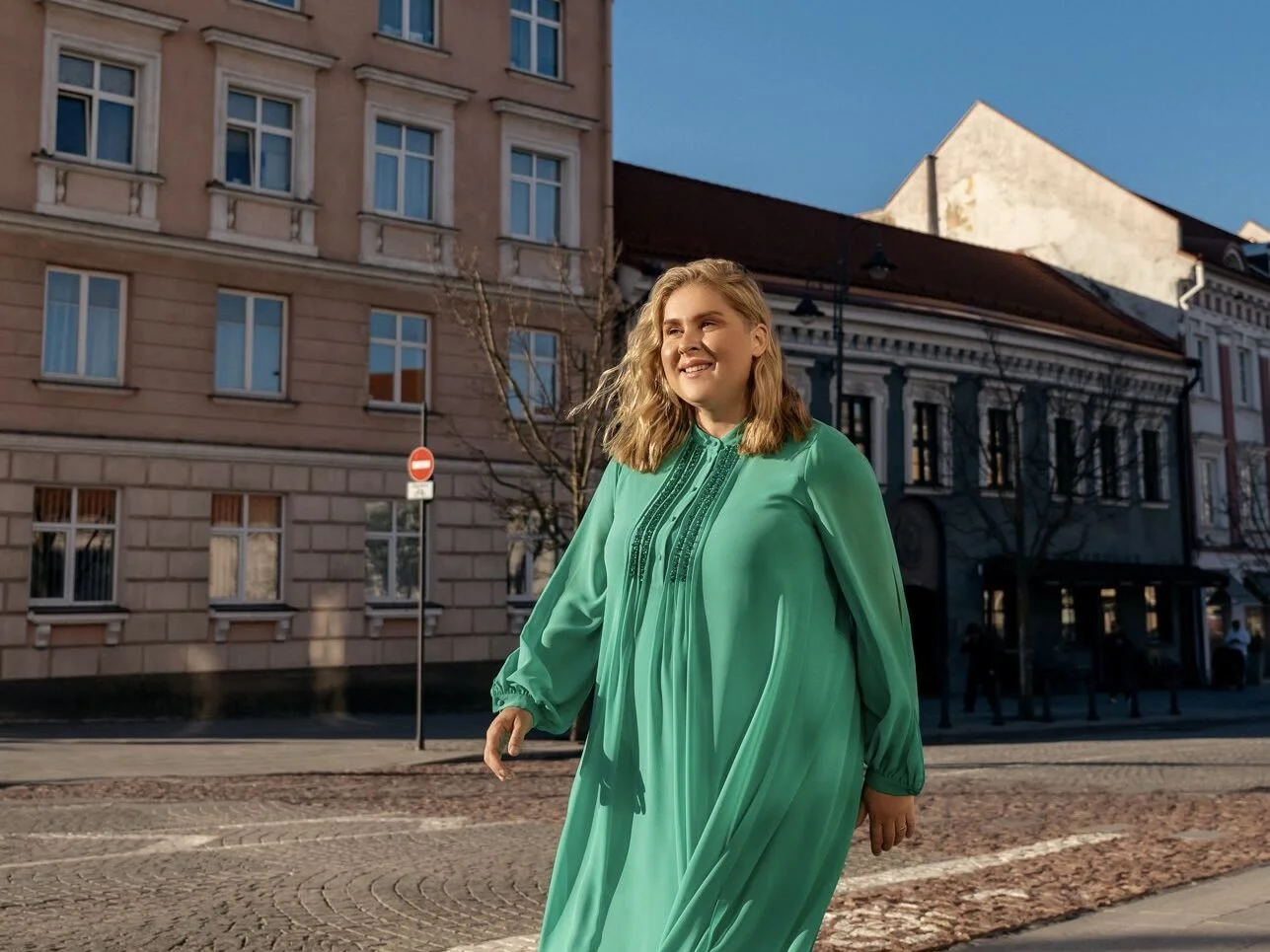
In an era of global travel and digital nomadism, the pull of the parental home remains a powerful anchor for many. For Dovilė Filmanavičiūtė, one of Lithuania’s most recognizable media personalities and cultural influencers, the concept of family is not defined by grand gestures, but by the consistent, rhythmic return to her roots. On the occasion of International Family Day, she shared a deeply personal look at the rituals that keep her family grounded amidst a chaotic modern lifestyle.
Filmanavičiūtė, who serves as a brand ambassador for Rimi, suggests that the true essence of home is built in the kitchen and at the dining table. While her daily life is a whirlwind of media commitments and parenting, she maintains a strict rule for the major holidays of the year: no exotic vacations, no luxury hotels, and no distractions. Instead, there is only the journey back to her parents’ house.
The Sacred Ritual of the Shared Table
For many in the UK, the debate over where to spend Christmas or Easter is a perennial source of stress. For Filmanavičiūtė, however, the decision was made long ago. She views these gatherings as a form of emotional security, a rare chance to step out of her professional persona and return to the simplicity of being a daughter.
“I have never spent the major holidays anywhere else but my parents’ home,” she explains. “To me, this is worth its weight in gold. I truly hope we can raise our son with that same feeling—that certain holidays mean being at home, not going on trips or travels.”
This sentiment highlights a broader cultural value in Lithuania, where the multi-generational family table remains the cornerstone of social life. Even at forty, Filmanavičiūtė admits she still looks forward to the specific tastes of her childhood. She specifically requests traditional staples like balta mišrainė (a rich, creamy potato salad similar to Olivier salad) and fried carp. These dishes are more than just sustenance; they are a bridge to her past, prepared by a mother who still remembers her daughter’s favorite flavors.
Food as a Modern Love Language
Moving away from the formal holiday table and into her own daily routine, Filmanavičiūtė describes a home life that many modern parents will recognize: a mix of chaos, spontaneity, and the constant negotiation of mealtime. In her household, food is the primary “love language,” but it doesn’t follow a rigid, traditional script.

Rather than forcing a single menu on her family, she often finds herself preparing three different meals simultaneously—tacos for one, burgers for another, and perhaps a sea bass ceviche or tartare for herself. While some might see this as an unnecessary burden, she views it as an act of service. “It doesn’t hurt my head or my heart because we are eating together,” she says. This approach reflects a shift in modern parenting where the act of gathering is prioritized over the uniformity of the meal itself.
Navigating the Friday Rush and Financial Planning
Beyond the emotional reflections, Filmanavičiūtė is candid about the logistical realities of raising a seven-year-old son, Kristijonas. Fridays are particularly intense, involving a complex web of swimming lessons, work deadlines, and the essential weekly shop. To manage the stress, she integrates her son into the process, using retail technology like “Scan & Go” to turn a chore into a shared activity.
This practical streak extends to the family’s finances. In an economic climate where many are feeling the squeeze, she emphasizes that the “king and queen of everything is planning.” By avoiding impulsive purchases and utilizing loyalty programs—specifically those aimed at families with children—she argues that households can free up funds for their larger dreams, such as future travel.
Ultimately, Filmanavičiūtė’s reflections serve as a reminder that while the world changes, the fundamental need for belonging does not. Whether it is through a specific salad or a shared trip to the supermarket, the goal remains the same: creating a space where every family member knows they are expected, known, and loved.
Source: BNS


Comments