
Ealing leadership team takes charge of local services and housing

Ealing Council Leader Peter Mason has formally appointed the cabinet members who will oversee the borough’s multi-million pound budget and essential public services for the next four years. Following a local election result that saw the Labour Party secure 46 of the 70 available seats, the new administration holds a clear mandate to implement its policy platform across Ealing’s seven towns until 2030.
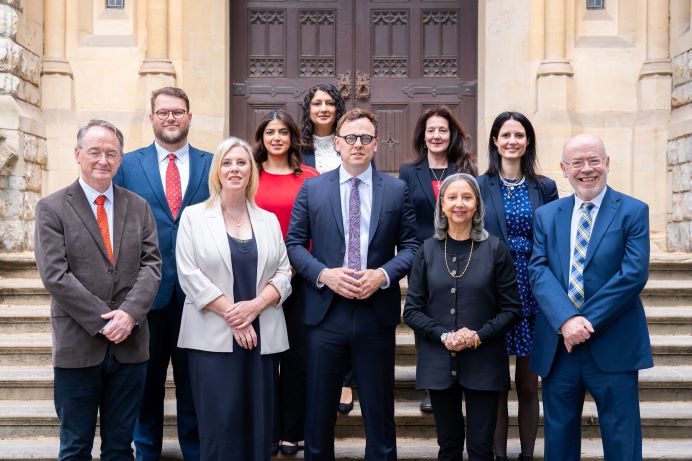
As the council’s main decision-making body, the cabinet consists of the leader and nine members, each assigned a specific portfolio. These individuals are responsible for initiating policy, acting as public spokespeople for their departments, and taking collective responsibility for the council’s executive actions.
Cabinet structure and portfolio responsibilities
Councillor Louise Brett continues her role as deputy leader, maintaining a focus on the delivery of safe and genuinely affordable homes. This portfolio remains a cornerstone of the administration’s agenda, addressing the high demand for residential security and quality standards within the borough.
The full list of cabinet appointments and their specific areas of responsibility is as follows:
| Portfolio | Cabinet Member |
|---|---|
| Leader of the Council | Councillor Peter Mason |
| Deputy Leader; Safe and Genuinely Affordable Homes | Councillor Louise Brett |
| Tackling Crime and Antisocial Behaviour | Councillor Jasbir Anand |
| Inclusive Economy and Efficiency | Councillor Steve Donnelly |
| Healthy Equal Lives | Councillor Paul Driscoll |
| Good Growth | Councillor Monica Hamidi |
| Fairer Start | Councillor Blerina Hashani |
| Climate Action | Councillor Dominic Moffitt |
| Decent Living Incomes | Councillor Kamaljit Kaur Nagpal |
| Thriving Communities | Councillor Lauren Wall |
Policy priorities for the 2026-2030 administration
Council leader Peter Mason confirmed that the administration will focus on specific targets identified by residents during the election period. The council’s strategy involves the delivery of thousands of additional affordable homes and the creation of tens of thousands of jobs within the local economy. Infrastructure improvements, including the maintenance of roads and pavements alongside the expansion of parks and tree planting, are also high on the agenda.
The leadership has committed to a policy of financial efficiency intended to keep council tax levels as low as possible. This approach aims to balance necessary investment in social care and schools with the economic pressures facing households. Mason stated that the administration intends to ensure every part of the borough, from Acton to Southall, benefits from a rising standard of living and increased community control over local life.
Core objectives for the new term
The cabinet’s work will be guided by several key performance indicators and community goals:

- Housing and Safety: Prioritizing the construction of social housing and addressing safety concerns in existing residential blocks.
- Economic Growth: Supporting local businesses to foster an inclusive economy that provides decent living incomes for all residents.
- Environmental Action: Implementing the borough’s climate action plan, focusing on air quality and green space preservation.
- Social Care and Education: Investing in schools and transforming social care services to support vulnerable residents and families.
Governance and decision-making timeline
The transition to the new administration is already underway, with cabinet members beginning their briefings with senior council officers. These roles involve significant accountability, as each member must answer for the decisions made within their specific portfolio during public meetings and scrutiny sessions.
The first formal cabinet meeting of this new administration is scheduled for Wednesday, 10 June. This session will set the tone for the upcoming four-year term and provide the first opportunity for the new portfolio holders to present their immediate priorities for the borough. With a working majority of 22 seats, the Labour administration is positioned to pass its initial budget and policy proposals without significant procedural delays.
Source: Ealing Council



Comments