
EU Housing Crisis: How Lithuania Plans to Tackle the 60% Price Surge Through Permit Reform

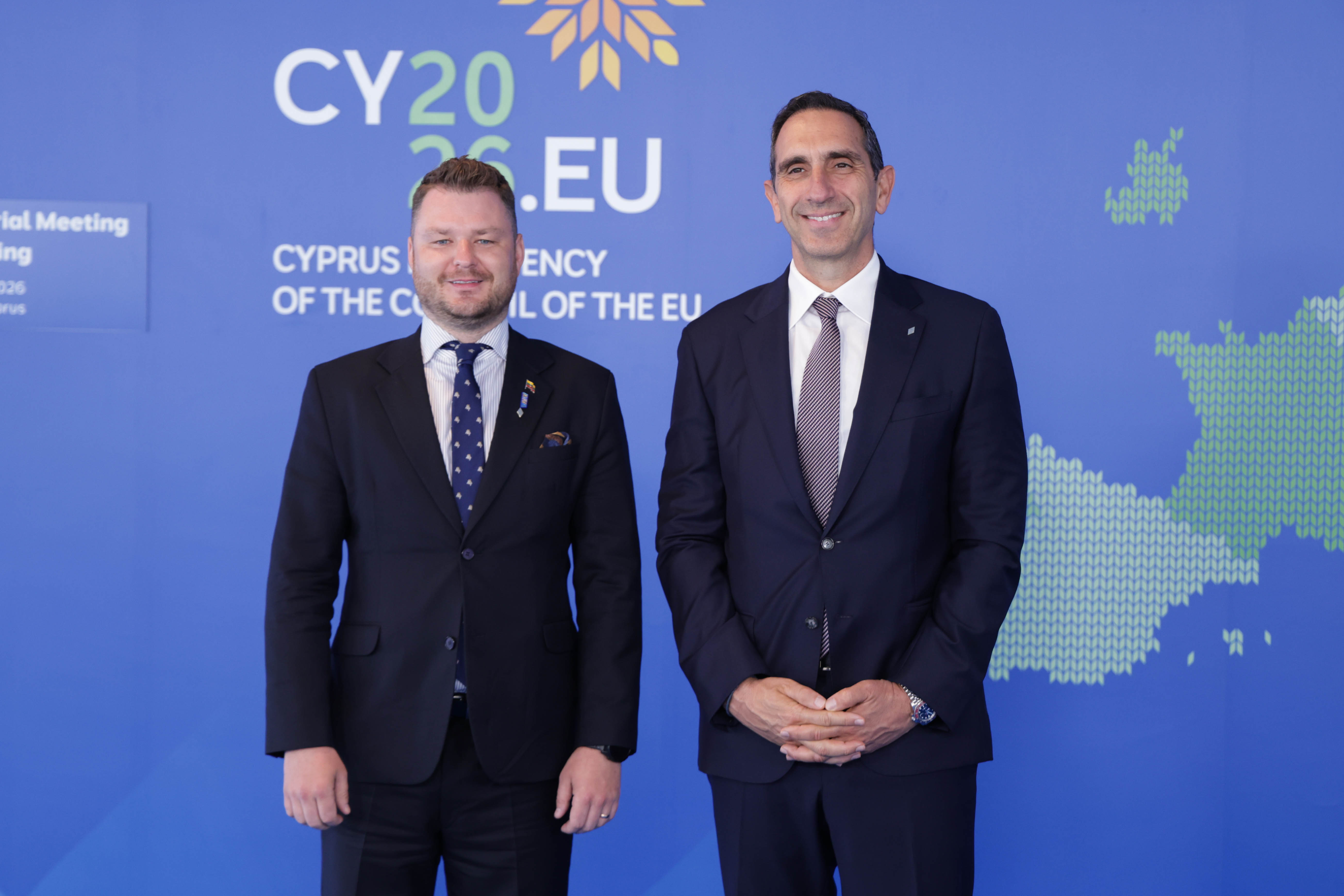
Over the last decade, housing prices across the European Union have surged by more than 60%. This dramatic escalation has significantly outpaced the growth of supply, creating a structural affordability gap that now sits at the top of the continental political agenda. At a recent informal meeting of EU housing ministers in Nicosia, Cyprus, the discussion shifted from merely identifying the crisis to implementing aggressive structural reforms. For Lithuania, the strategy focuses on two primary pillars: cutting through the bureaucratic red tape that delays construction and leveraging a hybrid financing model to accelerate the renovation of aging building stock.
The Scale of the European Housing Shortage
The current state of the European property market is defined by a widening chasm between demand and available units. According to data discussed by the ministers, the 60% rise in prices over ten years has not been met with a proportional increase in new builds. This imbalance has driven the European Commission to estimate a staggering investment requirement to stabilize the market.
| Metric | Value/Target |
|---|---|
| EU Housing Price Increase (Last 10 Years) | >60% |
| Annual EU Investment Gap for Housing | €150 Billion |
| Primary Reform Focus | Permit Digitisation |
| Financing Strategy | Subsidies + Soft Loans |
Lithuanian Environment Minister Kastytis Žuromskas, representing the nation at the council, emphasized that the bottleneck is rarely the stringency of the regulations themselves, but rather the inefficiency of their implementation. The administrative burden, project risks, and associated costs have historically deterred the level of private investment needed to meet housing targets.
Streamlining the Path to New Construction
To address the supply shortage, Lithuania is positioning itself as a test case for digital transformation in the building sector. The government is moving toward a “one-stop-shop” system for building permits, intended to centralize and simplify the often-convoluted approval process. By integrating Building Information Modelling (BIM) and automated coordination processes, the aim is to reduce the time it takes for a project to move from the drawing board to the construction site.
This digital-first approach is designed to provide greater clarity for investors. When territorial planning and project coordination are handled through transparent, digital platforms, the risk of unforeseen delays is mitigated. For Lithuanian municipalities, this means a reduced administrative load; for the public, it means a faster response to the housing shortage. The focus is on making procedures faster and clearer, ensuring that the path to increasing housing stock is not blocked by outdated paperwork.
A Hybrid Model for Sustainable Renovation
Beyond new construction, the EU faces the massive task of renovating existing buildings to meet modern sustainability standards. The European Commission’s estimate of a €150 billion annual investment gap highlights that public funding alone cannot solve the problem. Lithuania presented its own renovation model as a potential blueprint for other member states.
This model utilizes a combination of public subsidies and soft (concessional) loans. The logic is that while subsidies reduce the immediate financial burden on residents and developers, the inclusion of financial instruments like low-interest loans allows for a much larger scale of investment than grants could achieve on their own. However, Minister Žuromskas cautioned that financing is only one part of the equation; projects must be well-prepared and administered under a clear, systematic framework to be effective.

The Future of Pan-European Housing Investment
The council also deliberated on the creation of a “Pan-European” investment platform for affordable and sustainable housing. This platform is intended to help member states navigate various funding sources and consolidate smaller initiatives into larger, more attractive packages for institutional investors.
For Lithuania, the priority is that these new European instruments remain flexible. The goal is not to replace existing national schemes that are already functioning, but to provide the technical and financial support necessary for municipalities to launch new affordable housing projects. As the EU moves toward a more integrated housing strategy, the focus remains on ensuring that digital solutions and innovative financing can finally bridge the 60% price gap that has defined the last decade.
Source: ELTA



Comments