
Vilnius Lowers Voting Age to 16 for Record €1.6M City Budget: key details
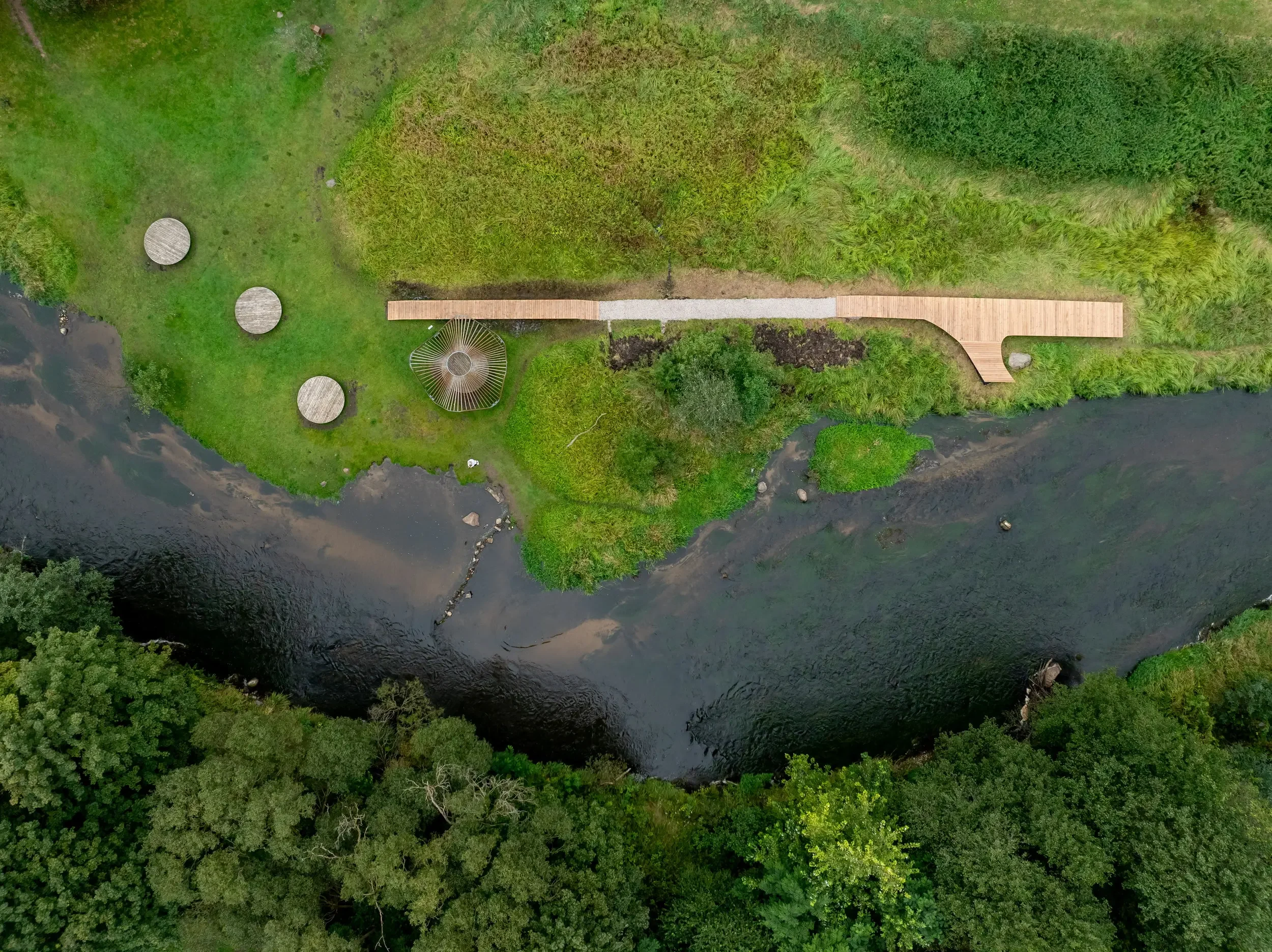
Vilnius city officials have announced a significant policy shift for the upcoming cycle of the “Dalyvauk! Vilnius” (Participate! Vilnius) participatory budget. For the first time, the Lithuanian capital will lower the voting age to 16, allowing teenagers to directly decide the fate of over €1.6 million in municipal funding—the largest financial commitment in the programme’s history.
The decision aims to integrate younger residents into the democratic process before they reach the legal voting age for national elections. By giving 16-year-olds a seat at the table, the city acknowledges that youth are not just future residents, but active users of public infrastructure who possess unique insights into the needs of their local communities.
Expansion of democratic participation for teenagers
Previously, while young people were often the primary users of the projects proposed—such as skate parks, bike tracks, and sports courts—they were unable to vote for them. Instead, they had to rely on parents or older relatives to cast ballots on their behalf. The new rules remove this barrier, allowing anyone aged 16 and over with a registered residence in Vilnius to participate in the selection process.
Lina Koriznienė, head of the Organisation Development Group at Vilnius City Municipality, noted that youth involvement is essential because teenagers are daily users of the city’s public spaces. Whether they are using sports facilities, cycling to school, or meeting in local squares, they often have a clearer perspective on what is missing from their immediate environment than older generations might.

By moving the threshold to 16, the municipality hopes to foster a culture of civic duty that begins in the classroom. This follows a successful pilot programme where nearly 70 schools in the capital implemented their own internal participatory budgets, treating the process as a practical lesson in citizenship.
Record-breaking financial commitment for 2024
The 2024 budget allocation represents a significant increase in funding, reflecting both the growing ambition of resident proposals and the rising costs of high-quality urban development. The total pool of at least €1.63 million is divided into two distinct categories to ensure both local neighbourhood needs and larger city-wide ambitions are met.
| Funding Category | Total Allocation | Maximum Value per Project |
|---|---|---|
| Neighbourhood (Small-scale) | €630,000 | Varies by district |
| City-wide (Large-scale) | €1,000,000 | Up to €250,000 |
| Total Programme Budget | €1,630,000+ | N/A |
The increase in the maximum value for large-scale projects to €250,000 is a response to past challenges. In previous years, ambitious ideas often required additional funding from other municipal departments to be fully realised. By increasing the cap, the city aims to ensure that winning projects—such as the recently approved Balsiai skate park or the Salininkai youth sports park—can be completed with high-quality lighting, landscaping, and accessibility features without compromising the original vision.

From school benches to city planning
The “Dalyvauk! Vilnius” programme has seen rapid growth since its inception as a small pilot project in two districts in 2021. Last year alone, residents submitted nearly 500 ideas, with over 17,000 people voting on a shortlist of 244 projects. The programme has become a primary tool for urban renewal, focusing on green zones, leisure areas, and active transport infrastructure.
The inclusion of youth is seen as the next logical step in this evolution. Officials believe that by engaging residents earlier, they can combat civic apathy and ensure that the city’s development aligns with the needs of its most active demographic.
Submission and voting timeline
The call for new ideas is scheduled to launch in the second half of the summer. Residents will be invited to submit proposals for their specific neighbourhoods or for broader city improvements. Following a period of administrative evaluation to ensure technical feasibility and cost-compliance, the final list of projects will be put to a public vote.
Successful projects are typically implemented within the following one to two years, depending on the complexity of the construction and the necessary environmental permits. For the 16-year-olds of Vilnius, this summer marks the first time they will not just be spectators of urban change, but the architects of it.
Source: Vilniaus miesto savivaldybė

Comments