
Lithuania Moves to Ban ‘Zombie’ Cars from Used Market
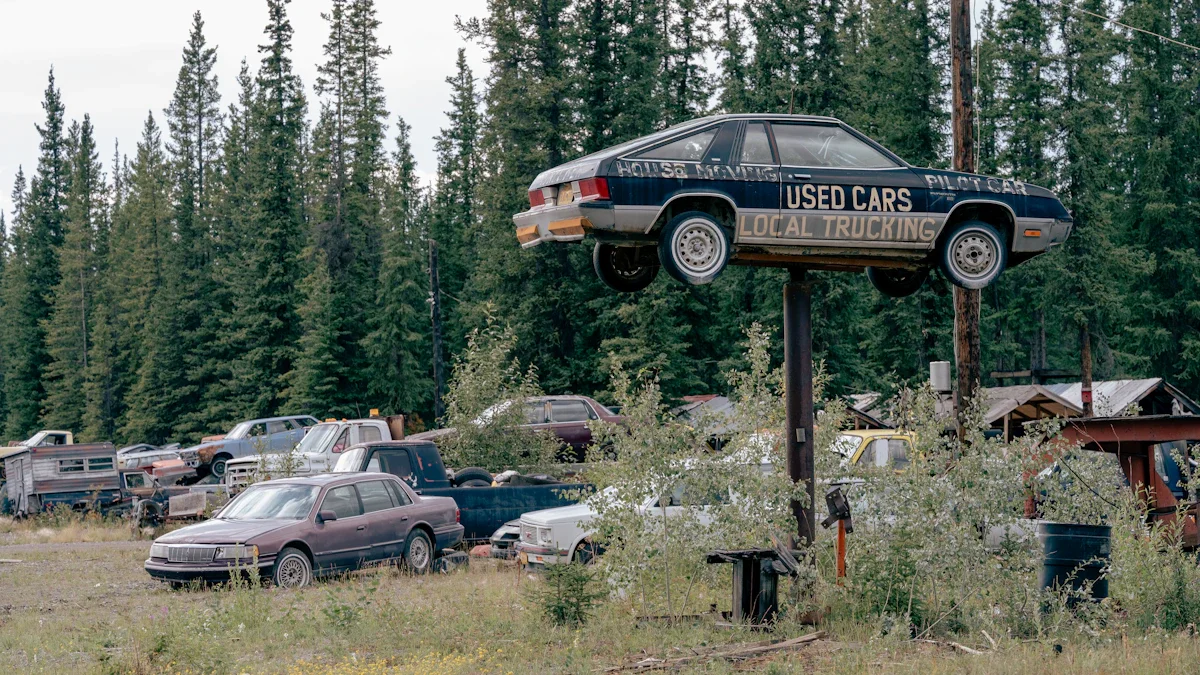
Lithuanian lawmakers have initiated a significant legislative push to clean up the country’s used car market by targeting so-called “zombie” vehicles—cars that have been rebuilt after catastrophic accidents and resold without proper safety disclosures. The proposed amendments to the Law on Safe Traffic on Roads aim to close loopholes that currently allow structurally compromised vehicles to return to the streets, posing a severe risk to public safety.
Members of the Seimas, Simonas Gentvilas and Lukas Savickas, presented the proposal during a press conference in Vilnius, emphasizing that the current lack of transparency in the automotive sector fuels a dangerous “shadow” market. By tightening the regulations on how vehicles are repaired and certified after major collisions, the government hopes to ensure that any car returning to the road meets stringent safety standards comparable to those found in more regulated Western European markets.
Transparency in the Automotive Repair Sector
The proposed changes are designed to protect consumers who often unknowingly purchase vehicles that have been written off in other jurisdictions or involved in high-impact crashes within Lithuania. Currently, the “shadow” repair market allows for cosmetic fixes that hide deep structural damage, such as compromised crumple zones or deployed airbags that are never replaced.
According to Tomas Granauskas, President of the Lithuanian Association of Auto Dealers, the lack of a centralized, transparent history for repaired vehicles has long been a point of contention. The new legislation seeks to mandate clearer reporting lines between insurance companies, repair shops, and the national vehicle registry. This would effectively create a digital paper trail for every major repair, making it significantly harder for sellers to pass off a salvaged wreck as a “clean” used car.
Professional racer Benediktas Vanagas, who participated in the legislative briefing, highlighted the technical dangers of these rebuilt vehicles. He noted that a car’s structural integrity is a one-time safety feature; once the chassis is compromised in a major accident, amateur welding and straightening rarely restore the vehicle to its original factory safety rating. For the average driver, these defects are invisible until the moment of a second impact, where the car may fail to protect its occupants.
Broader Parliamentary Activity and European Cooperation
While the “zombie” car legislation took center stage for consumer advocates, the Seimas also hosted high-level European discussions on the same day. Deputy Speaker of the Seimas, Aušrinė Norkienė, met with leaders from the European Conservatives and Reformists (ECR) group, including Nicola Procaccini and Patryk Jaki. These discussions focused on regional security and political cooperation within the European Parliament, reflecting Lithuania’s active role in broader EU policy-making.
The intersection of local consumer protection laws and European standards is becoming increasingly relevant as Lithuania seeks to harmonize its domestic markets with EU-wide safety and transparency goals. The ECR visit underscores the ongoing dialogue between Vilnius and Brussels regarding the rule of law and market regulation.
Implementation and Consumer Rights
The next steps for the anti-zombie car bill involve further readings in the Seimas committees, where the specific technical requirements for “returned-to-service” certifications will be debated. If passed, the law will likely introduce mandatory professional inspections for any vehicle previously declared a total loss before it can be re-registered for road use.
For the Lithuanian public, the move represents a shift toward higher consumer protection standards. The government intends to make vehicle history data more accessible to the public, allowing buyers to verify the accident history of a car via official portals. This move is expected to not only improve road safety but also stabilize the used car market by weeding out dishonest players and supporting legitimate repair businesses that adhere to safety protocols.
Source: ELTA

Comments