
Humanoid Robots Redefine Education at Klaipėda STEAM Centre
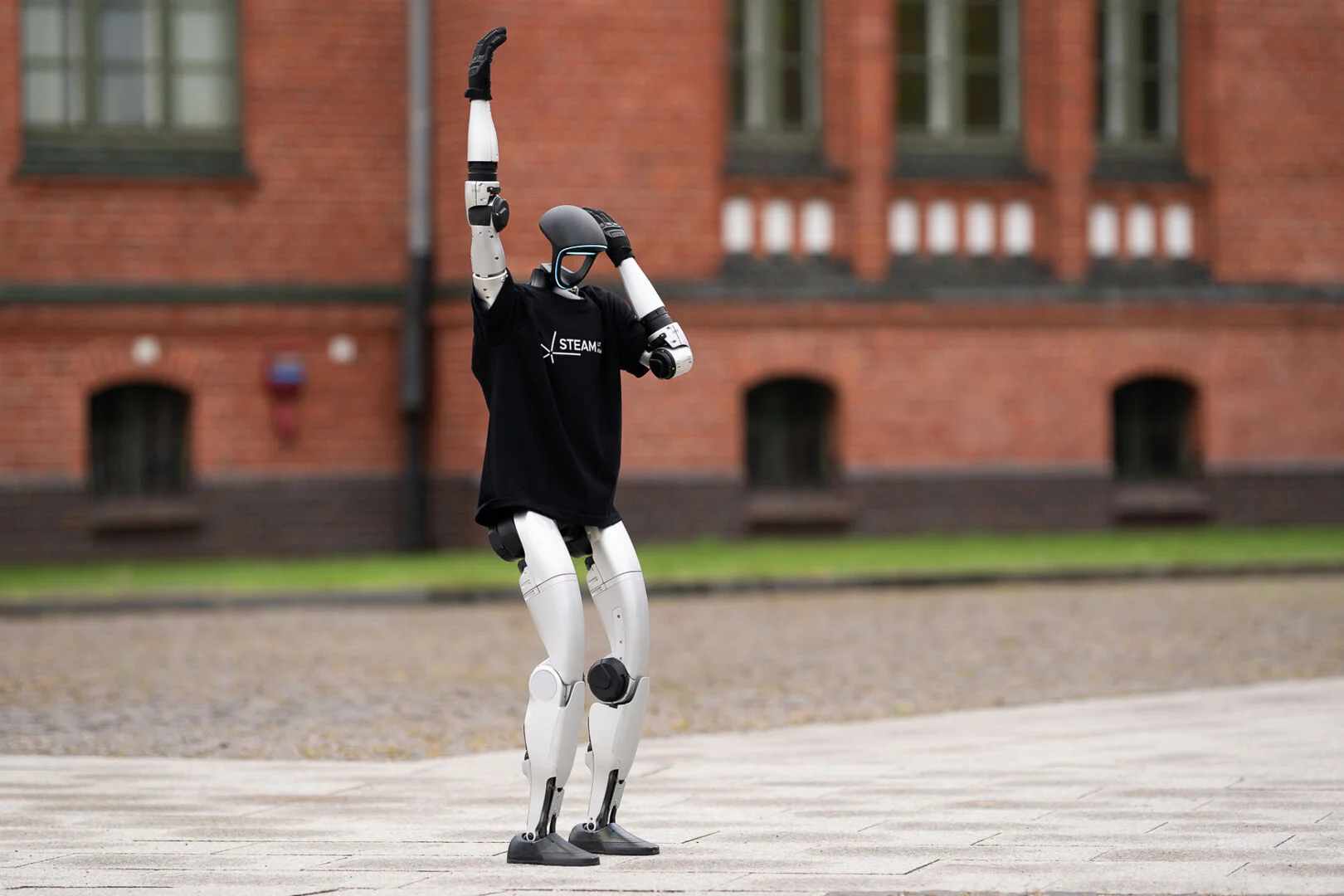
In a modern laboratory at Klaipėda University (KU), a sleek Unitree humanoid robot maintains its balance as it navigates a set of stairs, while nearby, a smaller, more approachable NAO robot leads a group of students through a morning exercise routine. These scenes are no longer futuristic concepts but daily realities at the university’s STEAM centre, where the integration of advanced robotics is transforming the educational landscape of the Baltic region.
The KU STEAM centre recently expanded its technological infrastructure by acquiring three new humanoid robots and several robotic manipulators. This investment marks a shift from viewing robots as mere decorative novelties to treating them as essential tools for research and pedagogy. By placing these machines in the hands of students, the centre aims to foster a deep understanding of human-technology interaction, a field that is rapidly becoming a cornerstone of modern industry.
Practical Robotics Over Decorative Innovation
The introduction of Unitree Robotics humanoids brings a new level of physical capability to the classroom. Unlike earlier educational robots that were limited to flat surfaces, these units are designed for complex navigation. They can walk on varied terrain, climb stairs, and even recover their balance after a fall. This mobility allows students to study how AI-driven machines adapt to unpredictable environments—a skill set directly transferable to industrial sectors where robots are increasingly used for assembly, inspection, and logistics.

Alongside these mobile units, the centre utilizes NAO robots. With their anthropomorphic design and friendly appearance, NAO units are particularly effective in social robotics. They serve as “social agents,” helping students of all ages grasp complex programming principles through a more engaging, interactive medium. In the classroom, these robots are already acting as assistants, guiding students from one station to another and encouraging participation in group activities.
Bridging the Gap Between Classroom and Industry
While the humanoids capture the most attention, the centre’s use of robotic manipulators like the DOBOT provides a crucial link to the professional world. These devices are essentially miniature versions of the industrial arms found in automotive and electronics factories. Students use them to program tasks such as color-based object sorting, precision placement, and packaging.

By working with these systems, learners gain practical skills in automation that are highly sought after in the global job market. This hands-on experience demystifies the technology, moving students away from a romanticized view of “sci-fi” robots and toward a realistic understanding of how automation drives modern economic efficiency.
The Ethics of Social Robotics and Human Interaction
Professor Dr. Aelita Bredelytė, head of the KU STEAM centre, emphasizes that the goal is not to create human replacements. Instead, the focus is on social robotics—the study of how robots can communicate with humans, recognize emotions, and respond to social cues. This research is vital as AI becomes more integrated into daily life, from healthcare assistants to customer service interfaces.

However, the university maintains a critical perspective. Research conducted at the centre explores the “uncanny valley” and the potential discomfort caused by overly human-like machines. By discussing ethical dilemmas such as data privacy, human autonomy, and the risk of unrealistic expectations, the centre ensures that future innovators approach AI with a sense of responsibility.
Preparing for a Hybrid Future
Looking ahead, the role of the humanoid in the classroom is expected to evolve. There is significant potential for these robots to act as “second teachers”—assistants that can monitor the environment, provide individualized support to students, and help manage classroom safety.
As Klaipėda University continues to expand its STEAM capabilities, the primary objective remains clear: to ensure that technology serves to enhance human potential rather than diminish it. By mastering these tools today, students are preparing for a future where the collaboration between human creativity and robotic precision is the standard, not the exception.
Source: BNS


Comments