
Lithuania Secures Data for New Electronic Road Toll System in €4.5 Million Deal

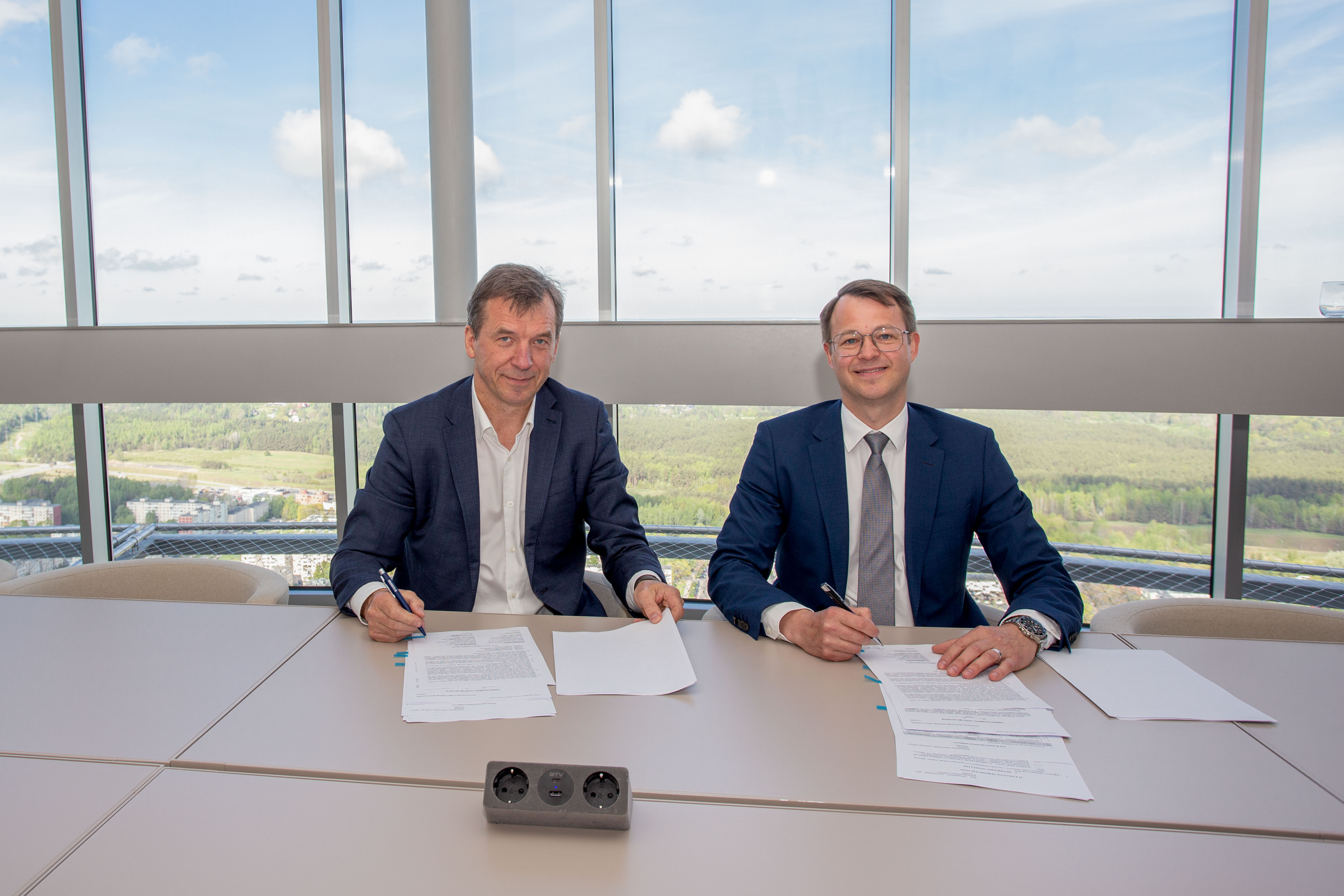
The transition to a modern, distance-based road charging system in Lithuania has reached a critical security milestone. Via Lietuva, the state-owned enterprise responsible for the nation’s road network, has officially partnered with the Lithuanian Radio and Television Centre (Telecentras) to host the digital infrastructure for the upcoming electronic tolling system. This partnership, valued at a maximum of €4.5 million (excluding VAT), ensures that the sensitive data of thousands of transport operators will be stored in a high-security state data center.
As Lithuania prepares to phase out the traditional vignette system by 2027, the focus has shifted toward the technical resilience of the new platform. The agreement with Telecentras covers at least two years of service, with an option for a one-year extension, providing a stable foundation for the system’s launch and initial operation.
| Project Metric | Specification |
|---|---|
| Maximum Contract Value | €4.5 million (excl. VAT) |
| Official Launch Date | January 1, 2027 |
| Data Reliability Standard | Tier III |
| Toll Road Network Coverage | Over 2,800 km |
| Primary Vehicle Categories | M2, M3, N1, N2, N3 |
| Infrastructure Managed | 21,000 km of national roads |
Securing the Digital Backbone of National Transport
The decision to utilize Telecentras was driven by the stringent security requirements of national infrastructure. The state data center operates under Tier III reliability standards, which mandate redundant systems for power, cooling, and data transmission. This level of infrastructure ensures 99.982% availability, a necessity for a system that will process real-time data from vehicles traversing 2,800 km of toll roads.

Martynas Gedaminskas, CEO of Via Lietuva, emphasized that the partnership was born from a need for a partner capable of meeting national security criteria while providing the necessary IT resources. The system will store comprehensive data, including information on road users, toll payers, and specific vehicle details. By centralizing this in a state-managed facility, the government aims to mitigate risks associated with data breaches or system downtime.
The Shift from Time to Distance: A Structural Change
The upcoming electronic tolling system represents a fundamental shift in how road usage is taxed in Lithuania. Currently, transport operators purchase vignettes based on time—daily, weekly, monthly, or annually. Starting January 1, 2027, this will be replaced by a distance-based model for heavy vehicles and passenger transport (categories M2, M3, N1, N2, and N3).
This “user-pays” principle is designed to distribute the costs of road maintenance more equitably. Heavy goods vehicles (HGVs) and large buses have the most significant impact on road wear and tear. Under the new system, they will pay only for the actual kilometers driven on toll roads. It is important to note that for private passenger cars (category M1), the current exemption from road user fees will remain in place.
Data Privacy and Infrastructure Resilience
For transport companies, the move to a distance-based system introduces new requirements for data transparency. The Telecentras infrastructure will host not only the core databases but also the cloud services and container management platforms required to run the complex tolling software. Remigijus Šeris, head of Telecentras, noted that the project is being treated as a high priority, with dedicated technological and human resources assigned to prepare the large-scale IT environment across two separate data centers for maximum redundancy.

Implementation Timeline and Next Steps
The next two years will be dedicated to the rigorous testing and deployment of the IT hardware. Via Lietuva is currently managing over 21,000 km of roads and 1,500 bridges, and the integration of the tolling system into this vast physical network requires precise synchronization.
Transport operators should expect a phased communication plan throughout 2025 and 2026 to help them transition from the vignette system to the new electronic platform. The focus remains on ensuring that by the 2027 deadline, the system is capable of handling the high volume of data generated by Lithuania’s position as a key transit corridor in the Baltic region.
Source: ELTA


Comments