
Lithuanian Surgeon Pioneers Next-Gen Dental Implant Tech in Europe
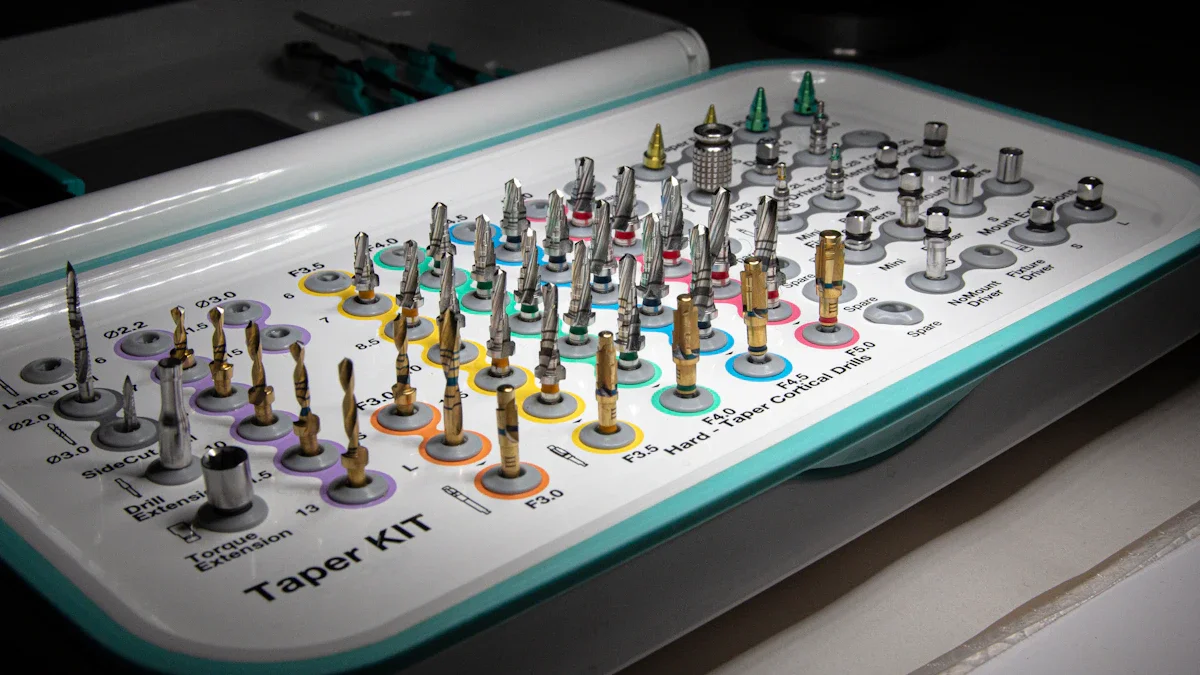
A dental surgeon based in Panevėžys has become one of the first specialists in Europe to clinically implement a next-generation dental implant system, positioning Lithuania at the forefront of international oral surgery innovation. Rokas Kuprys, operating at the Panevėžys Implantology Centre, is among the early adopters of the ARi® system, a technology designed specifically to address some of the most complex challenges in restorative dentistry.
The system was recently introduced to the international professional community as a solution for patients with severe jawbone atrophy—a condition that traditionally complicates or even prevents successful dental implantation. By participating in the early clinical application of this technology, Lithuanian specialists are contributing to the real-world evaluation of medical advancements that are typically reserved for major global medical hubs.
Addressing the Challenge of Bone Atrophy
One of the most significant hurdles in modern implantology is the restoration of teeth in patients whose alveolar bone has significantly diminished. This is particularly common in the anterior (front) part of the jaw. In standard practice, these cases often require extensive bone grafting procedures. While effective, bone augmentation adds months to the treatment timeline, increases the surgical burden on the patient, and introduces additional variables into the healing process.
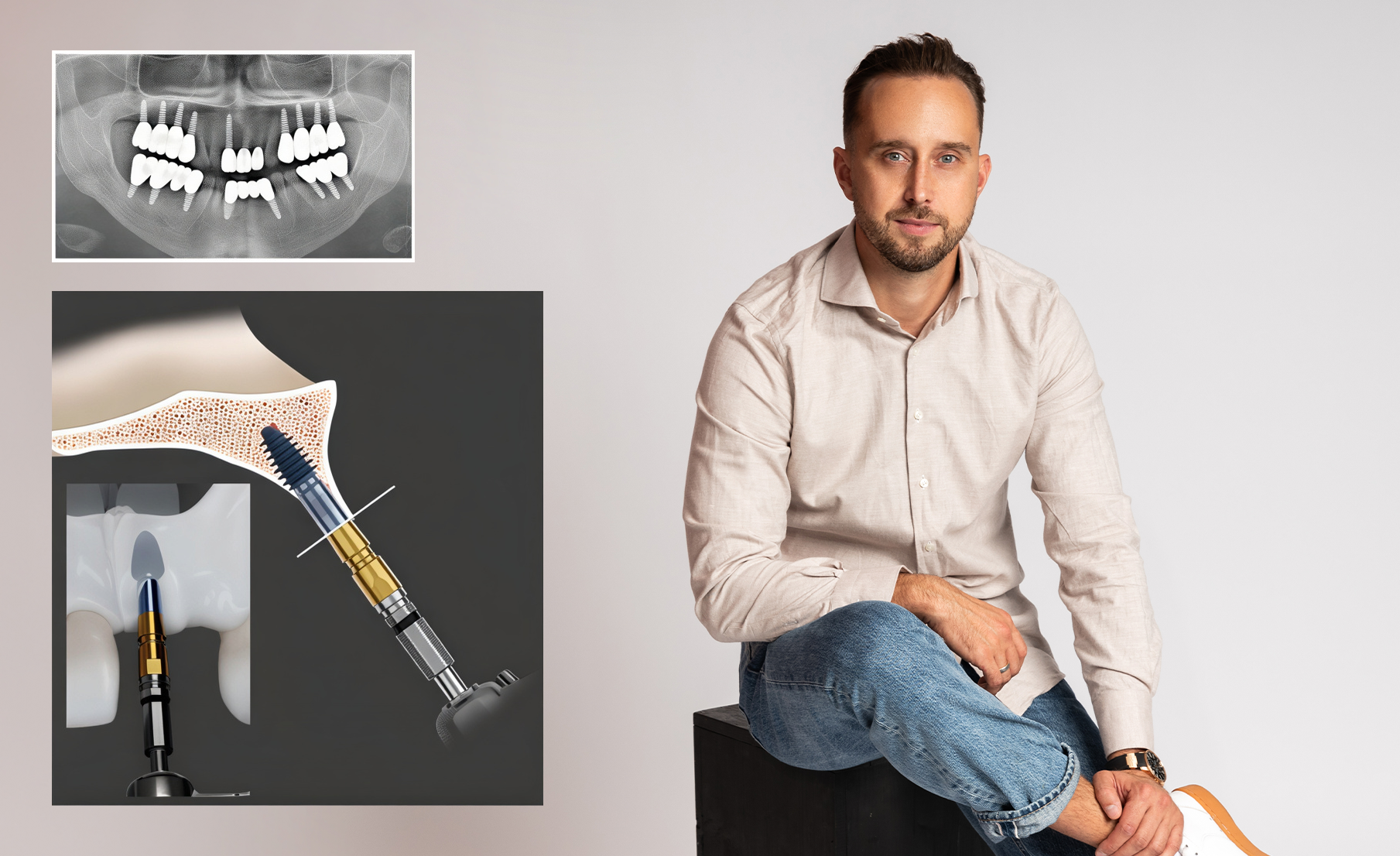
The ARi® system, developed by the South Korean medical technology firm MegaGen, was engineered to bypass these traditional limitations. According to technical specifications, the implant’s design focuses on achieving primary stability by utilizing the basal bone rather than relying solely on the often-compromised alveolar ridge. For many patients, this could mean the difference between a multi-stage surgical journey and a more streamlined, less invasive procedure.
Technological Principles and Clinical Integration
The innovation behind this new generation of implants lies in its structural engineering. The system employs a specialized thread design intended to secure immediate stability upon insertion. Furthermore, the surface technology is optimized to promote rapid osseointegration—the process by which the living bone tissue bonds with the titanium surface of the implant.
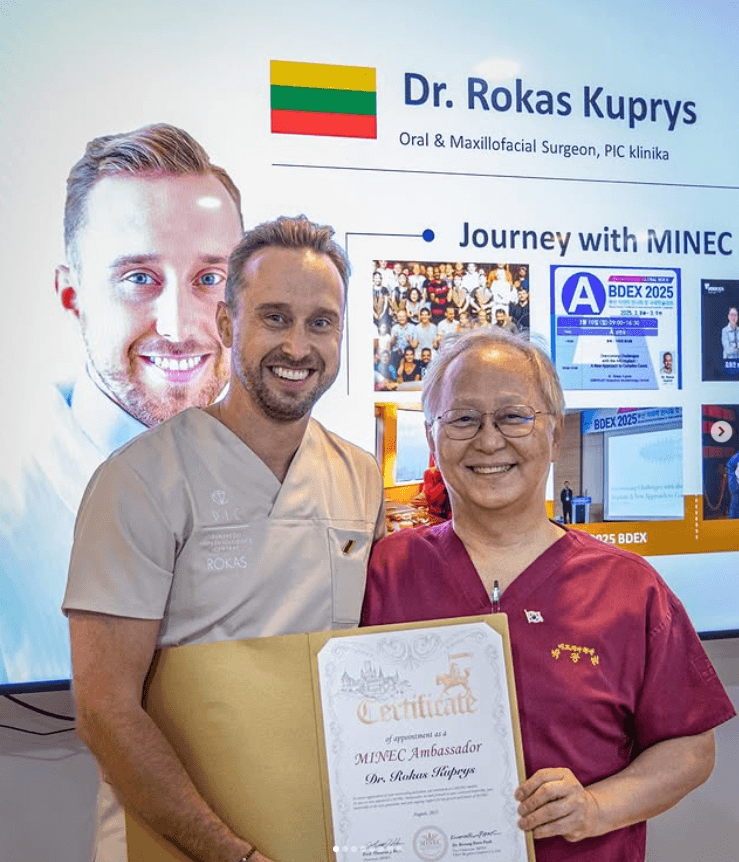
Dr. Rokas Kuprys emphasizes that the body of the implant is shaped to support the natural formation of soft tissue, which is critical for long-term aesthetic and functional stability. “Having the opportunity to apply this system in clinical practice at such an early stage allows us to evaluate its efficacy in real-world scenarios,” Kuprys noted. He added that while the technology offers promising solutions for complex cases, every medical procedure requires an individualized assessment of the patient’s specific physiological condition.
Lithuania’s Role in Global Medical Innovation
The involvement of Lithuanian doctors in the clinical evaluation of new medical devices marks a shift in the region’s professional standing. Traditionally, the development and initial testing of such technologies occur in large Western European or North American research centers. Kuprys’s participation in an international professional circle—where surgeons from various countries exchange data and clinical insights—highlights a growing trend of decentralized medical innovation.
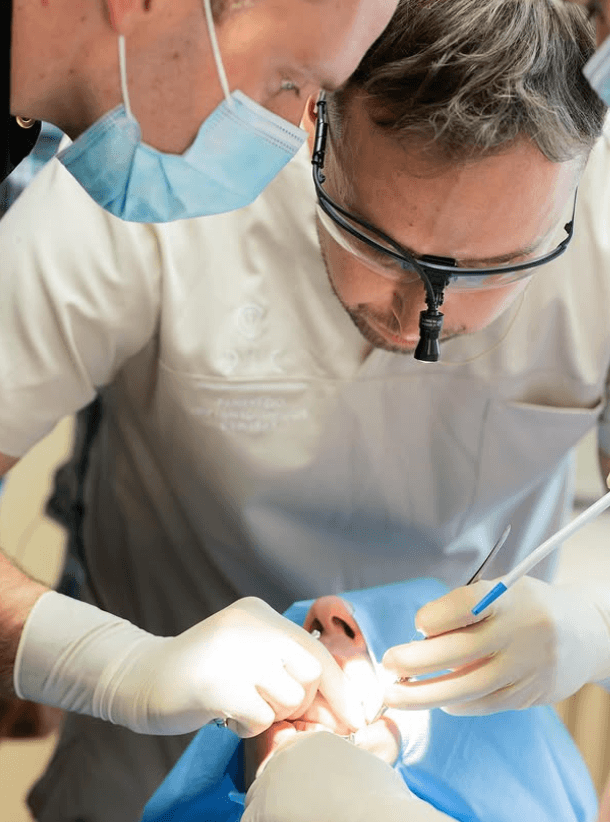
Currently, Dr. Kuprys is involved in international professional training alongside the system’s creator, South Korean dental surgeon Dr. Kwang Bum Park. Together, they are presenting clinical findings and application techniques to practitioners across Europe. This collaborative model, favored by MegaGen (whose products are used in over 100 countries), relies on a network of practicing surgeons to refine technology based on daily clinical outcomes.
Future Outlook and Scientific Validation
As with all new medical technologies, the long-term success of the ARi® system will be documented through ongoing monitoring and future peer-reviewed research. Independent clinical studies are expected to be published in scientific literature in the coming years to provide a broader data set on the system’s performance across diverse patient demographics.
For patients in the Baltic region and beyond, the availability of such technology in Panevėžys represents a significant step forward in local healthcare capabilities. It reflects a broader movement toward reducing surgical complexity and improving the accessibility of restorative dental care for those with challenging anatomical conditions.
Original reporting by: elta
Source: ELTA



Comments