
Queen Silvia of Sweden to Champion Dementia Care Reform at New Vilnius: what residents need to know

The transformation of a former hotel on the outskirts of Vilnius into a modern sanctuary for the elderly marks a significant shift in the Baltic healthcare landscape. As the final touches are applied to the Addere Care nursing hospital on Minsko Highway, the facility prepares to welcome a guest whose presence signals more than just a ceremonial ribbon-cutting. Queen Silvia of Sweden, a global advocate for dignified elderly care, is scheduled to attend the opening, cementing a partnership aimed at modernizing how Lithuania treats its aging population.
This new facility, housed in the repurposed premises of a former hotel, is designed to break the traditional mold of clinical, sterile environments. Instead of white tiles and fluorescent corridors, the interior mirrors a contemporary spa or sanatorium, prioritizing emotional security and personal dignity alongside medical necessity. With a capacity to care for 170 residents, the hospital includes a dedicated nursing center and a palliative care day center, representing a major private investment in the city’s social infrastructure.
A Swedish Blueprint for Dignified Aging
The arrival of Queen Silvia is a direct endorsement of the ‘Silviahemmet’ methodology, a philosophy of care she established in Sweden in 1996. Addere Care remains the only organization in the Baltic States to hold the Silviahemmet certificate, a distinction that requires every staff member—regardless of their specific role—to undergo rigorous training in dementia-specific communication and care.

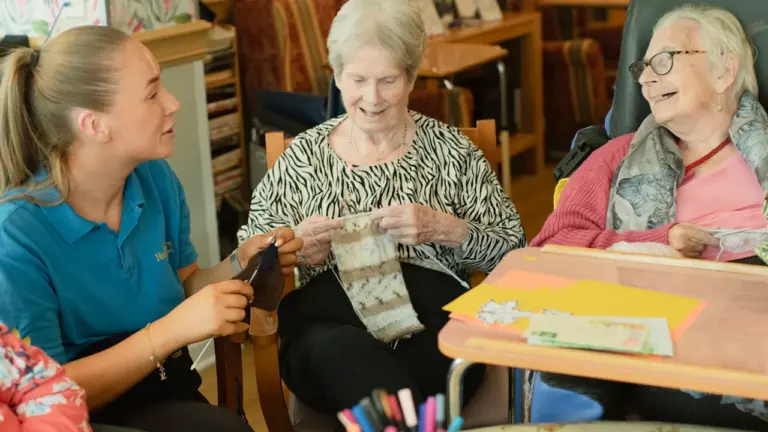
Kristina Judinė, the founder and director of Addere Care, notes that Queen Silvia’s visit is not merely symbolic. The partnership was forged six years ago during the opening of the group’s first facility in Trakai. The Swedish model focuses on four pillars: symptom control, teamwork, support for family members, and communication. By adopting these standards, the Vilnius facility aims to move away from a system that often views patients through the narrow lens of their diagnosis, moving instead toward a ‘person-centered’ approach where the individual’s history and preferences remain central to their daily life.
Shifting the Cultural Paradigm of Nursing
For decades, the nursing culture in Lithuania has struggled with the legacy of institutionalized care, which often prioritized efficiency over the individual’s sense of self. The opening of the Minsko Highway facility is positioned as a catalyst for a broader social change. The goal is to provide a level of care that allows residents to maintain their agency, even when facing the cognitive challenges of dementia.

This cultural shift is supported by the ‘Queen Silvia Nursing Award,’ an international initiative organized by Addere Care in Lithuania. The program encourages nursing students and professionals to propose innovative ideas to improve elderly care, effectively raising the prestige of the nursing profession within the country. By fostering leadership among nurses, the partnership seeks to ensure that the improvements seen in private facilities eventually influence the standards of the national healthcare system.
Future Prospects for Baltic Healthcare
As the new hospital begins operations, it serves as a live laboratory for Swedish-Lithuanian cooperation in the social sector. The facility’s design—which emphasizes peace, light, and domestic comfort—is intended to reduce the anxiety often associated with long-term care transitions.

The presence of the Swedish monarch highlights the growing importance of international standards in local healthcare. For the families of the 170 residents who will call this facility home, the impact is immediate: access to specialized dementia care that was previously difficult to find within the region. Looking forward, the success of this hotel-to-hospital conversion may provide a template for other municipalities in Lithuania looking to address the rising demand for high-quality geriatric services in an aging society.
Source: BNS

Comments