
Queen Silvia to Visit Award-Winning Lithuanian Nursing Hospital: what residents need to know
On a stage in the Bulgarian resort of Varna, a Lithuanian healthcare project recently stood out among Europe’s elite wellness and rehabilitation leaders. The “Addere Care” nursing hospital in Vilnius secured first place at the ESPA Innovation Awards, signaling a significant shift in how the continent views long-term elderly care. This recognition comes just days before the facility prepares for its most high-profile guest to date: Queen Silvia of Sweden, who will visit the new premises on May 18.
The award, presented during the annual congress of the European Spas Association (ESPA), saw the Lithuanian project triumph in the “Innovative SPA Concept” category. For a nursing facility to win an award typically reserved for high-end wellness retreats marks a departure from traditional medical models. The jury recognized Addere Care for its integration of nursing, balneology (the study of therapeutic bathing), and emotional well-being within a person-centered environment.
A Royal Seal of Approval for Modern Nursing
The upcoming visit by Queen Silvia is not merely a diplomatic formality. The Swedish monarch has been a lifelong advocate for dementia care and person-centered nursing through her foundation, Silviahemmet. Addere Care has integrated Swedish nursing methodologies into its operations since its inception, making the royal visit a validation of these shared standards.

Queen Silvia’s involvement highlights a growing international trend: the professionalization and humanization of elderly care. By adopting the “Silviahemmet” philosophy, the Vilnius facility focuses on preserving the dignity of patients through every stage of aging, particularly those facing the challenges of cognitive decline. The collaboration between Swedish expertise and Lithuanian implementation serves as a model for cross-border healthcare innovation in the Baltic region.
Redefining the Clinical Environment
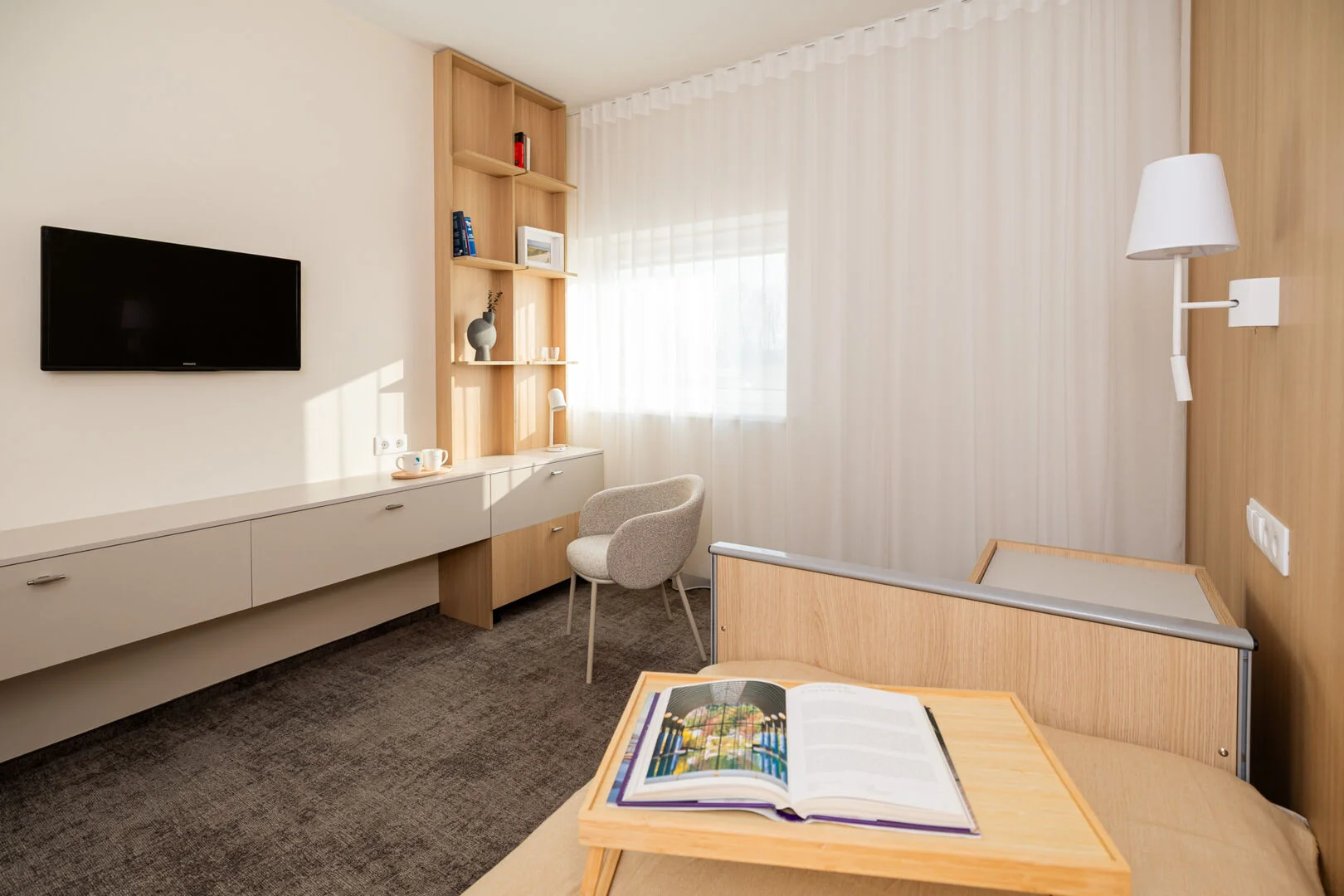
One of the primary reasons for the hospital’s European recognition is its radical approach to architecture and interior design. Developed in collaboration with the hospitality experts at “E77″—led by visionary Eglė Rukšėnaitė—and architect Jurgita Masiukaitė, the facility aims to eliminate the “institutional feel” that often plagues nursing homes.

“We aimed to create a space where a person feels not in a hospital, but in an environment as close to home as possible,” says Rukšėnaitė. The design philosophy posits that architecture is not just about aesthetics; it is a vital component of emotional well-being and dignity. By incorporating natural healing resources such as mineral water and forest therapy, the hospital attempts to reduce the stress and tension often associated with long-term clinical stays.
This holistic approach is what caught the attention of the ESPA judges. The category of “Innovative SPA Concept” specifically rewards projects that utilize natural resources and sustainable practices to improve human health, moving beyond simple medical treatment toward a comprehensive lifestyle intervention.

Addressing the Challenges of an Aging Society
The success of Addere Care reflects a broader necessity within Lithuania and across Europe: the need for specialized infrastructure for an aging population. Kristina Judinė, the Director of Addere Care, views the award as a milestone for the entire Lithuanian nursing sector. “This award is a confirmation that respect for the person, innovation, and a holistic approach to health is the future direction,” she noted, adding that the goal is to fundamentally change the culture of nursing in the country.
The organization’s expansion plan includes repurposing its original facility in Trakai into a specialized dementia care center, while the new Vilnius site operates alongside a Palliative Care Day Center. As European nations grapple with the demographic shift toward an older populace, the Lithuanian model suggests that the solution may lie in blending the precision of modern medicine with the warmth of the hospitality industry.
Source: BNS



Comments