
Smiltene Cemetery Inspections: How to Protect Family Burial Plots: what residents need to know
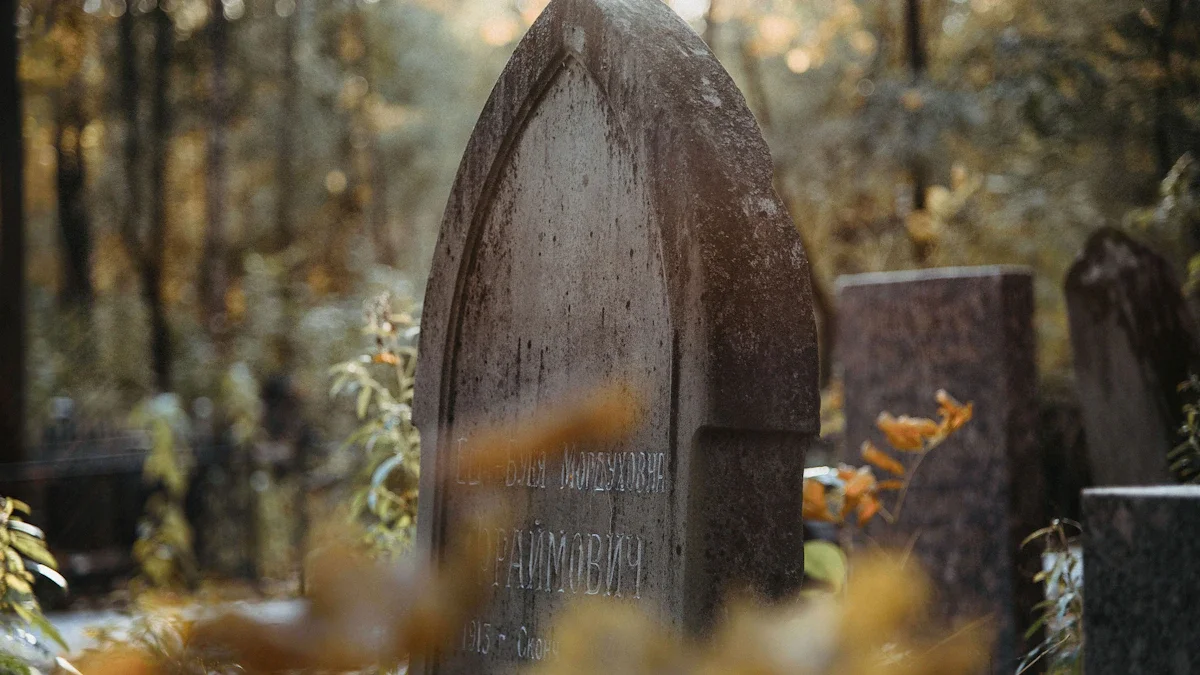
Starting in June 2026, the Smiltene Municipality Cemetery Commission will begin a comprehensive audit of local burial grounds. This public service initiative aims to ensure that cemeteries remain well-maintained and that the dignity of these final resting places is preserved. For members of the Latvian diaspora living in the UK or elsewhere abroad, this announcement serves as a critical reminder to check the status of family plots, as neglected graves face a structured process of reclamation and potential reuse.
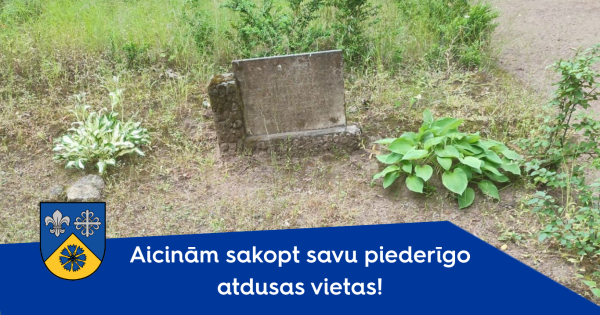
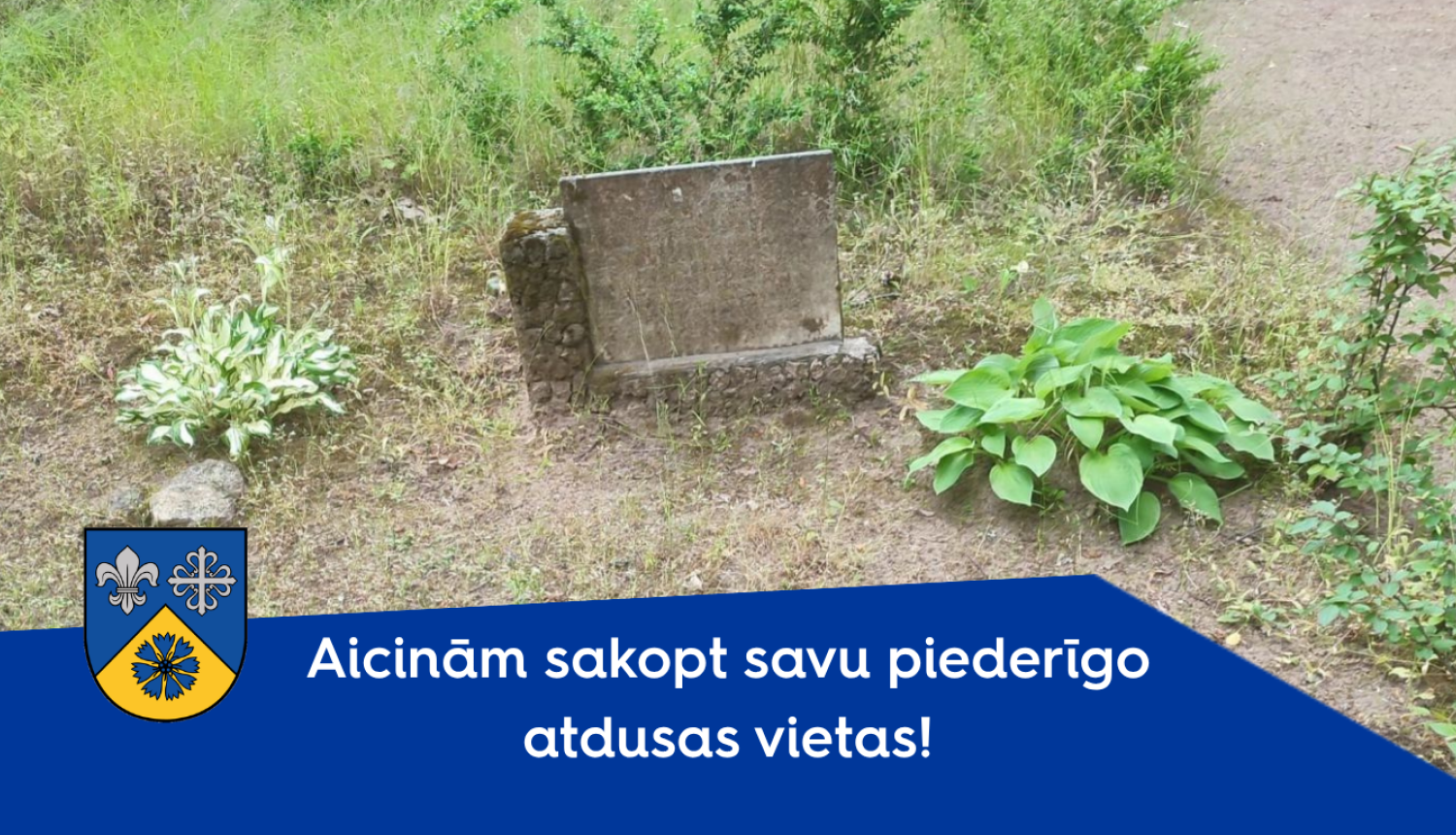
The inspection process, known locally as “aktēšana,” is a formal procedure where officials survey cemetery territories to identify untended sites. When a grave is found to be overgrown or neglected, it is marked with a specific sign. This is not an immediate eviction but the start of a long-term monitoring period designed to give families ample time to rectify the situation. According to the current regulations, the commission performs these checks once a year. If a burial site receives five such reports over a five-year period and no maintainer comes forward to claim responsibility, the maintenance contract is officially terminated after the sixth year.
Understanding the Five-Year Maintenance Protocol
The implications of these inspections are significant for the local landscape. In the most recent reporting period, 184 burial sites were officially marked as being under observation, while 64 sites were formally designated as “untended.” Once a site reaches the end of the six-year cycle without intervention, a final sign reading “Untended Grave Site” (Nekopta kapa vieta) is installed.
If the site is not cleared and maintained within one year of this final notice, the cemetery manager is legally authorized to reassign the plot for new burials. This system ensures that cemetery space—a finite resource in many historic municipalities—is managed efficiently while respecting the rights of families who actively care for their ancestors’ resting places. The maintenance of these grounds is governed by Smiltene Municipal Council Binding Regulation No. 28/23, which sets the legal standard for cemetery management in the region.
The Cultural Significance of Grave Upkeep in Latvia
For those unfamiliar with Latvian traditions, cemetery culture (kapu kultūra) holds a unique place in the national identity. Unlike some Western traditions where cemetery maintenance is often handled entirely by the local council or a church through a perpetual care fee, the Latvian system places the primary responsibility on the family. The act of tending a grave—weeding, planting flowers, and raking the sand—is seen as a vital connection to one’s heritage. Annual events like “Kapu svētki” (Cemetery Festivals) see thousands of people returning to their family plots to clean and decorate them.
This cultural expectation is why the municipal inspections are handled with such specific protocols. The goal is not to remove history, but to encourage the continuation of this care. However, for the thousands of Latvians now residing in the United Kingdom, maintaining these traditions from a distance presents a logistical challenge. Without a local relative to perform the physical upkeep, plots can quickly fall into the “neglected” category during the summer growing season.
Guidance for the Latvian Diaspora and Local Residents
If you have family burials in the Smiltene region but are unable to visit regularly, it is essential to establish a point of contact with the local authorities or hire local maintenance services to ensure your family plot remains in good standing. Proactive communication can prevent a site from ever being marked for inspection.
For any questions regarding the status of a specific burial plot or to update maintainer information, individuals should contact the municipal utility company, SIA “Smiltenes NKUP.”
- Office Address: Pils iela 3A, Smiltene, Latvia
- Telephone: +371 20007274
- Email: [email protected]
Taking action now, well ahead of the June 2026 inspection start date, ensures that family history is preserved and that the risk of losing a burial plot to reclamation is eliminated. Whether through local friends, relatives, or professional services, maintaining these sites remains a legal and cultural priority in the Smiltene municipality.
Source: Smiltenes novada pašvaldība




Comments