
Vilnius Sports Palace: Lithuania Shifts Strategy Toward Memorial and Cultural Hub
By Beehive Editorial Team
The Lithuanian Parliament (Seimas) has formally backed a revised vision for the iconic Vilnius Concert and Sports Palace, steering the project away from commercial entertainment toward a multi-functional memorial and cultural centre. This decision marks a significant pivot in the long-running debate over the future of the brutalist landmark, which sits on a site of profound historical and religious sensitivity. The resolution, approved after its initial presentation, calls on the government to continue the reconstruction project while redefining its core purpose to honour the site’s complex past.
Parliamentary Approval for Cultural Transformation
The legislative move shifts the focus of the 2015 government decree regarding the palace’s reconstruction. Rather than developing a commercial hub for loud entertainment or high-capacity concerts, the new direction emphasises “values over concrete.” According to Member of Parliament Šarūnas Birutis, one of the initiators of the proposal, the state is choosing to reconcile respect for the deceased with its duty to future generations.
The approved plan envisions the building as a space for congresses, conferences, and non-commercial cultural events. Key features of the redesigned interior will include a library, a cultural information centre, and dedicated exhibitions documenting the Atgimimo (Rebirth) and Sąjūdis independence movements. Crucially, the project will now incorporate a significant memorial and educational space dedicated to the history of the Jewish community in Vilnius.
Historical Significance and Architectural Heritage
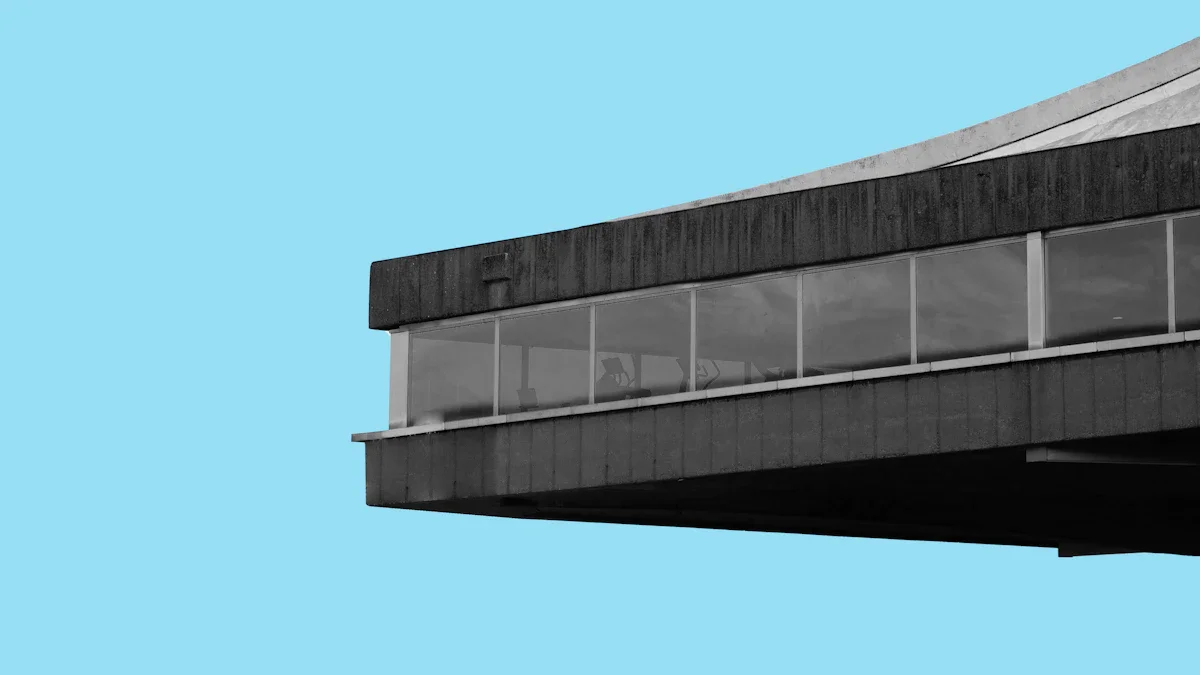
The Vilnius Concert and Sports Palace is widely regarded as a masterpiece of 20th-century brutalist architecture. It was added to Lithuania’s Register of Cultural Property in 2006 as an object of regional significance. Beyond its architectural value, the building served as a pivotal stage for Lithuania’s path to independence; it hosted the founding congress of the Sąjūdis movement in October 1988 and was the site where the nation bid farewell to the victims of the January 13 Soviet crackdown in 1991.
However, the site’s history is further complicated by its location on the former Šnipiškės Jewish Cemetery. This has led to years of international scrutiny and domestic debate regarding the ethics of redeveloping the land. The current resolution seeks to address these concerns by integrating a memorial into the reconstruction, a move that has previously seen consultation with the Lithuanian Jewish Community and the Committee for the Preservation of Jewish Cemeteries in Europe.
Balancing Modern Utility with Memorial Spaces
The Seimas has tasked the Committee on Culture with forming a dedicated working group to refine the functional requirements of the future Congress Palace. This group is expected to ensure that the building’s new role as a cultural and memorial site does not conflict with its preservation as a heritage object. The Ministry of Culture has also been urged to declare the palace a state-protected cultural heritage site of national importance.
| Project Metric | Detail |
|---|---|
| Parliamentary Vote | 68 In Favour, 4 Against, 16 Abstained |
| Working Group Deadline | September 1, 2024 |
| Next Scheduled Debate | June 11, 2024 |
| Heritage Status | Proposed National Significance |
| Primary Functions | Memorial, Education, and Congresses |
The Vilnius City Municipality is also encouraged to participate by promoting business and conference tourism that aligns with the historical narrative of the site. The goal is to create a venue that serves the city’s modern needs while remaining a solemn reminder of Lithuania’s historical development and the tragedies associated with the location.
Project Implementation and Future Milestones
The next phase of the project involves a creative competition to design the memorial and the permanent exhibitions. These will be situated within the spaces already designated in the 2019 and 2022 technical projects, which have received the necessary heritage and reconstruction permits.
The working group must present its refined functional project by the start of September. This will provide a clearer roadmap for the Ministry of Culture and the municipality to begin the physical transformation of the site. While the project moves forward, the resolution clarifies that this development should not preclude the city from pursuing other conference centre projects elsewhere, allowing the Sports Palace to focus primarily on its new identity as a site of national memory and cultural exchange.
Source: ELTA



Comments