
The Forbidden Diary: A Soldier’s Secret Record of 19th-Century Lithuania
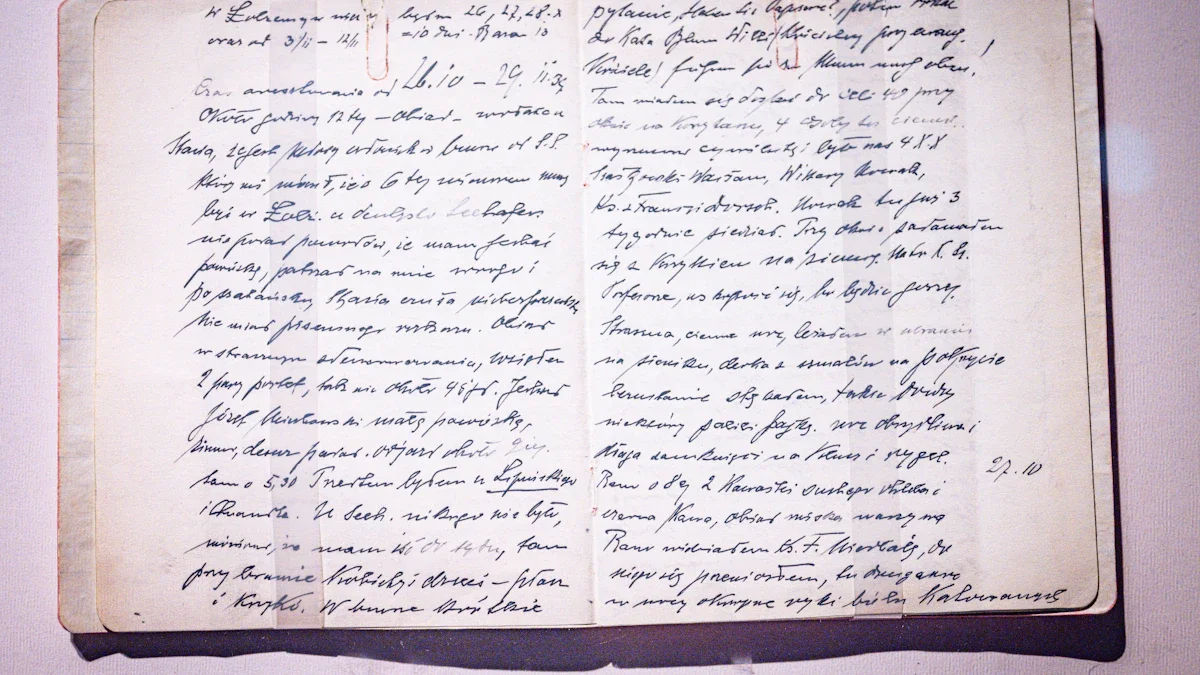
On May 19, at 17:30, the Statehood Space of the Martynas Mažvydas National Library of Lithuania will host the presentation of a document that, by all historical odds, should not exist. The diary of Ignotas Grubinskas, a private in the Tsarist Russian army, offers a rare, unfiltered glimpse into a period when the very act of writing in the Lithuanian language was a crime against the state.
This 67-page manuscript, penned at the end of the 19th century in Kaunas, represents more than just a personal record; it is a testament to cultural survival. Grubinskas was not a member of the elite or the intelligentsia; he was a peasant soldier whose education was limited to a few years in a Russian-language primary school. Yet, in the quiet moments between his military duties, he chose to document his life, his dreams, and his national identity in his native tongue.
Defying the Imperial Press Ban
To understand the weight of Grubinskas’s ink, one must look at the geopolitical landscape of the time. Between 1864 and 1904, the Russian Empire enforced a strict ban on the use of the Latin alphabet for Lithuanian publications. This policy of Russification aimed to sever the Lithuanian people from their cultural roots and Western influences.
Writing a diary in Lithuanian during this era was an act of quiet defiance. Grubinskas was not merely a passive observer of this struggle; research has identified him as a contributor to “Žemaičių ir Lietuvos apžvalga” (The Samogitian and Lithuanian Review), an illegal newspaper published in Tilsit (now Sovetsk) and smuggled across the border. Writing under the pseudonym “Vabalas” (The Beetle), he navigated the dangerous world of the knygnešiai—the legendary book-smugglers who risked imprisonment and exile to keep the Lithuanian word alive.
A Window into 19th-Century Military and Peasant Life
While many historical records from this era are authored by priests or university students, Grubinskas provides a perspective that is almost entirely absent from the archives: that of the common soldier and the villager. The diary details the daily grind of military service in the Russian army, the social atmosphere of Kaunas, and the intimate details of life in his home district of Vabalninkas.
Linguistically, the diary is a goldmine. It is written partly in the author’s native Vabalninkas dialect, capturing the phonetic nuances of a rural tongue, while also showing early experiments with a standardized Lithuanian grammar that was only just beginning to take shape. Readers will find a man deeply concerned with his own education and the future of his nation, balancing the harsh reality of imperial service with the internal life of a budding intellectual.

Preserving the “Ego-Document” for Future Generations
The publication of “The Diary of Ignotas Grubinskas” is the latest addition to the “From the Archives of the National Library” series. This series focuses on “ego-documents”—personal records like diaries, letters, and memoirs that provide a human face to abstract historical movements.
The upcoming presentation will feature a panel of experts who have spent years contextualizing Grubinskas’s life. Asta Miltenytė, the book’s compiler and editor, will be joined by historian Dr. Juozas Skirius and literary scholar Dr. Gitana Vanagaitė. The discussion, moderated by Dr. Jolanta Budriūnienė, will explore how a peasant with only three years of formal schooling managed to produce a work of such historical and linguistic significance.
The project was partially funded by the Ministry of Culture of the Republic of Lithuania, reflecting the national importance of reclaiming these lost voices from the era of the press ban. For history enthusiasts, the diary serves as a reminder that even under the most restrictive regimes, the human impulse to record one’s own truth remains irrepressible.
Original reporting by: bns
Source: BNS



Comments