
Vilnius to Triple Size of Historic Žvėrynas School by 2028
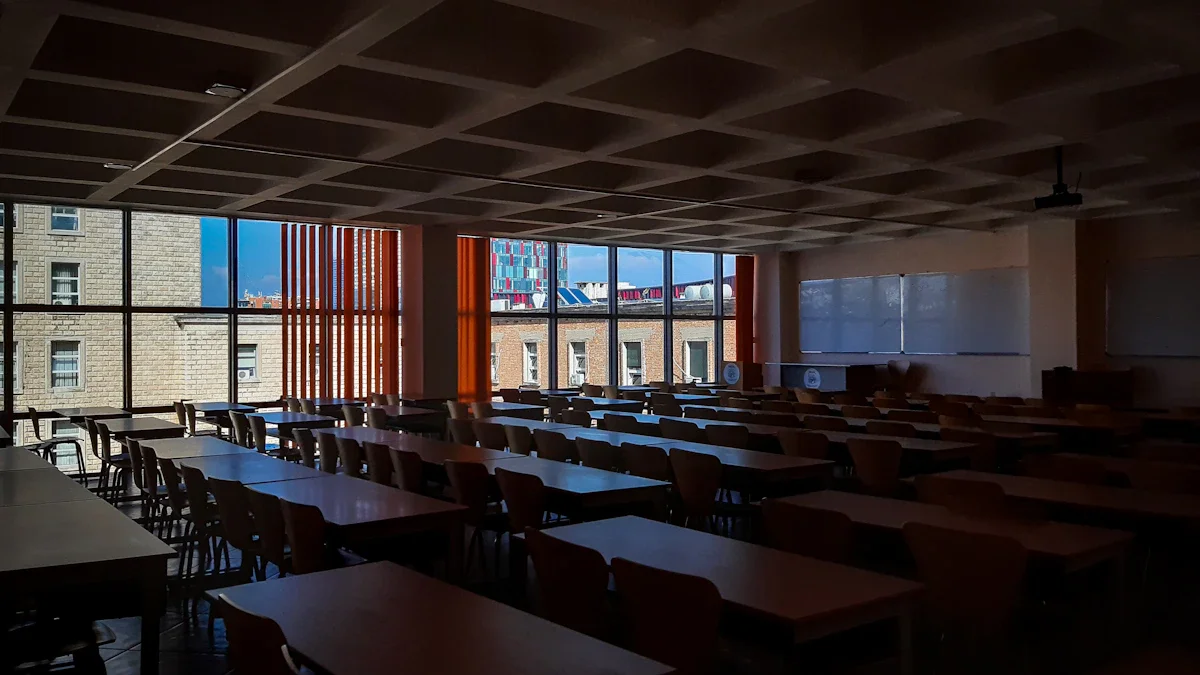
The Vilnius City Municipality has officially greenlit a significant infrastructure project in the capital’s prestigious Žvėrynas district. A 60-year-old primary school building on Blindžių Street is set to undergo a total transformation, tripling its physical footprint to meet the growing demand for modern educational spaces in one of the city’s most sought-after residential areas.
The project, managed by the Vilnius Development Company, represents a shift from the Soviet-era architectural legacy toward high-performance, sustainable education hubs. By the time the doors open in 2028, the facility will have expanded from its current 1,700 square metres to over 5,800 square metres—a 340% increase in floor area designed to accommodate nearly 400 pupils.
The Scale of Modernisation in Žvėrynas
The reconstruction is not merely a capacity upgrade but a complete reimagining of the school’s role within the community. The new complex will consist of five interconnected blocks, replacing the cramped conditions of the old structure with 16 modern classrooms, a library, an events hall, and a universal sports facility.
One of the most significant shifts is the integration of specialized technology spaces. The third floor will house ‘FabLab’ and ‘ArtLab’ workshops, reflecting a national push in Lithuania to integrate STEAM (Science, Technology, Engineering, Arts, and Mathematics) education into the primary curriculum.
| Feature | Current Specification | Post-Reconstruction (2028) |
|---|---|---|
| Total Floor Area | 1,700 sq. m | 5,800+ sq. m |
| Student Capacity | 235 pupils | 384 pupils |
| Energy Efficiency | Standard | A++ (Highest Rating) |
| Green Space | Variable | 4,800 sq. m (40% of plot) |
| Parking | Limited | 21 dedicated spaces |
Sustainability and Civil Security
In line with modern European building standards, the project prioritises environmental impact. The building is designed to achieve an A++ energy performance rating, supported by a rooftop solar array that will allow the school to generate a portion of its own electricity.

Beyond environmental sustainability, the project includes a feature that has become increasingly standard in Baltic infrastructure planning: a modern civil defence shelter located in the basement. While the school is designed for peace-time education, the inclusion of such facilities highlights the regional focus on resilient public infrastructure.
Architecturally, the firm ‘Atamis’ has focused on blending the large structure into the unique urban fabric of Žvėrynas, a district known for its greenery and historic wooden architecture. Despite the massive expansion, the design uses wood elements and fragmented building volumes to minimize the visual impact on the surrounding environment. While ten trees must be removed for construction, the municipality has committed to planting an equal number of mature trees upon completion, with 40% of the site dedicated to lawns and gardens.

Practical Impacts and Timeline
The reconstruction will trigger several immediate changes for local residents and the school community. During the construction phase, students from the Blindžių branch of the Duke Gediminas Pro-gymnasium will be temporarily relocated to the school’s other branch on Žvejų Street.
Local residents will see significant upgrades to the surrounding streetscape. The project includes the renovation of the section of Blindžių Street between Birutės and Latgalių streets, featuring new pavements and upgraded water supply networks.
Public procurement for a contractor is scheduled to begin in May 2024. If the tender process proceeds without legal delays, construction is expected to start later this year, with a four-year window for completion. This long-term timeline reflects the complexity of tripling the site’s capacity while adhering to the strict A++ energy and accessibility standards required for modern public buildings in the Lithuanian capital.
Source: Vilniaus miesto savivaldybė
Comments