
Leeds landowners urged to check ash trees for safety risks: what residents need to know
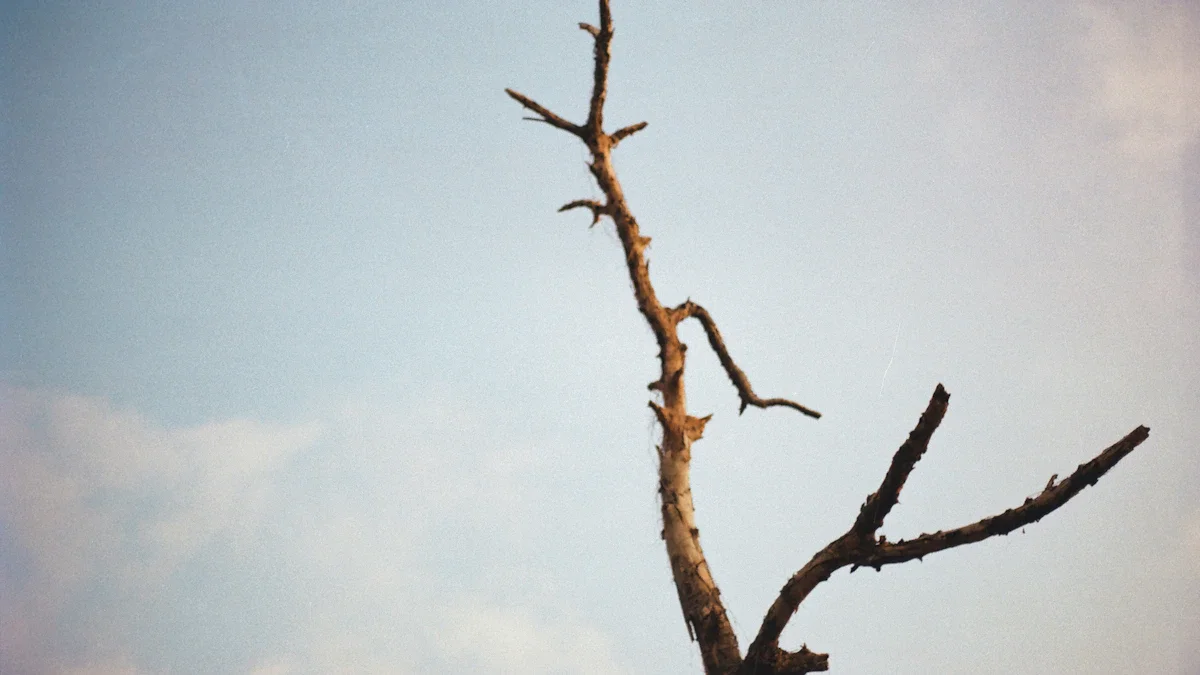
Leeds property owners are being called to inspect ash trees on their land as the species enters its full leaf season. Between May and September, the symptoms of ash dieback disease become most visible, providing a critical window for safety assessments.
Leeds City Council has already identified thousands of diseased trees across the region. If left unmanaged, these trees become brittle and risk collapsing onto public highways, posing a direct threat to motorists and pedestrians.
What readers need to know
- Ash trees are in full leaf from May to September, making this the best time to check for disease.
- Leeds City Council’s interactive map identifies high-risk trees near major highways.
- Private landowners are legally responsible for the safety of trees on their property.
- The council is planting five new trees for every one removed due to ash dieback.
Using the interactive Leeds ash tree map
To assist residents, an interactive map launched in late 2025 highlights ash trees located near main highways and details their current condition. This tool is updated continuously as council surveys progress, with new data being added starting this May.
Landowners can use the map to see if trees on or adjacent to their boundaries have been flagged for removal. While the council manages trees on public land, private landowners hold the same legal responsibility for the safety of trees on their own property.
Identifying signs of ash dieback on your property
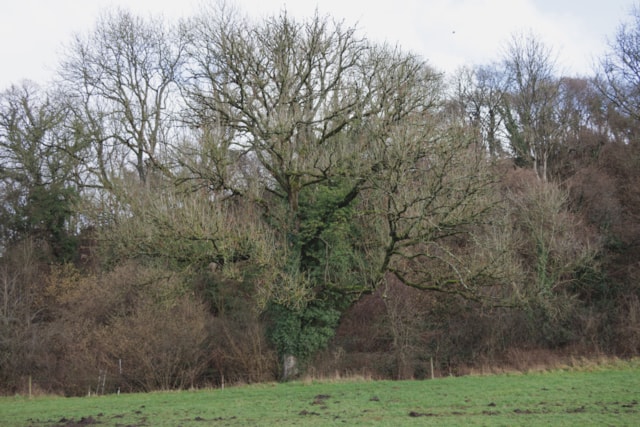
Ash dieback disease is a fungal infection that blocks the transport of water and nutrients within the tree. This rapidly weakens the structure, making the wood dangerously brittle. Because the disease alters the landscape and local biodiversity, early identification is vital.
The best time to look for symptoms is while trees are in leaf. Landowners should look for:
* Dead or dying tops of trees (dieback in the crown).
* Lesions or dark patches on the bark where branches meet the trunk.
* Wilting leaves that appear black or shriveled.
Legal responsibilities and tree replacement goals
The council has a statutory duty to ensure trees under its control do not put the public at risk. Private landowners face the same liability for any harm or disruption caused by falling trees from their land. A dedicated web page is available to help owners understand their legal obligations and find support.
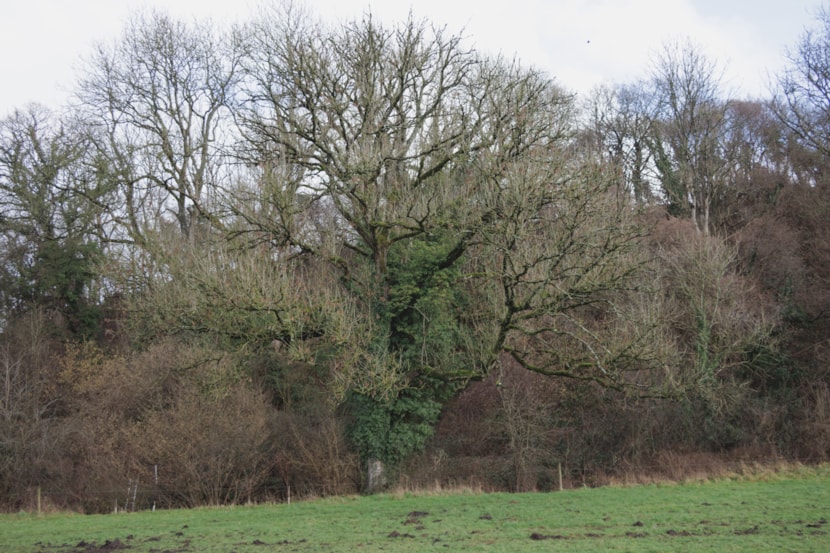
So far, Leeds City Council has removed nearly 3,000 infected trees. To mitigate the environmental impact, the city has implemented a “five-for-one” planting policy. For every diseased ash tree removed from council land, five new trees are planted. Last winter alone, close to 4,000 new trees were introduced, with further planting scheduled for the coming season.
Councillor Mohammed Rafique, executive member for climate, energy, environment and green space, stated: “With ash trees being in full leaf from May it is the perfect time to look for signs of ash dieback on your land.”
Source: Leeds City Council


Comments