
Lithuania Marks 81 Years Since Heroic Partisan Stand in Kalniškė
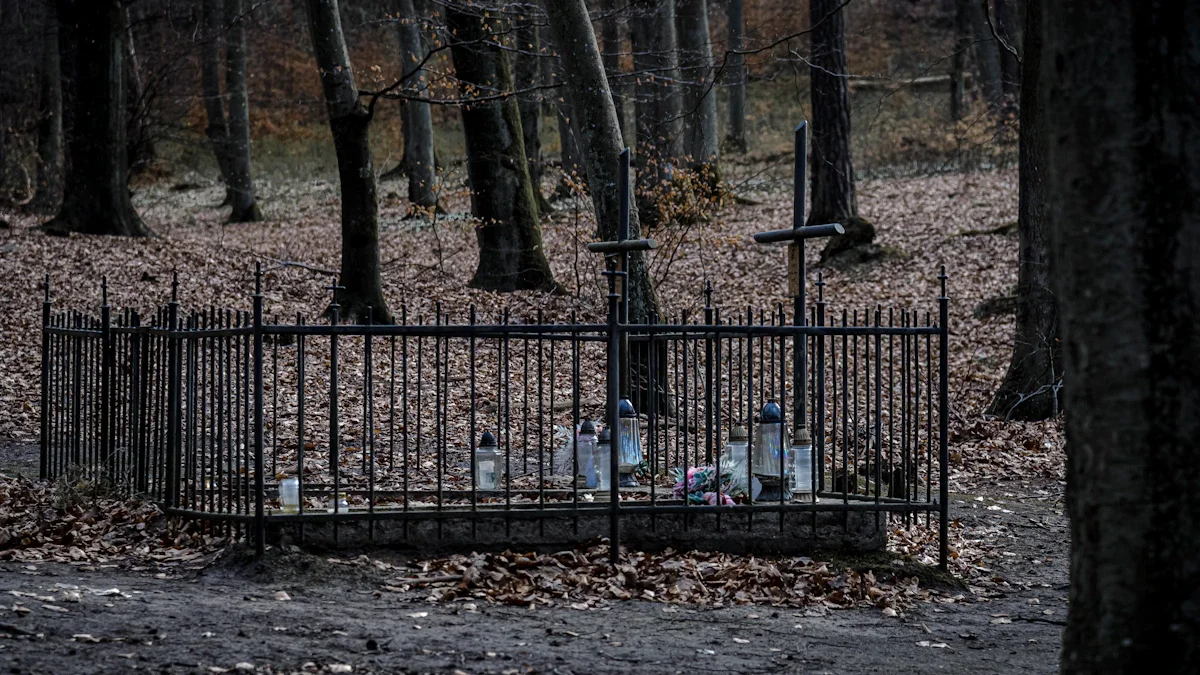
A persistent drizzle fell over the Kalniškė forest this past Saturday, but the damp weather did little to deter the hundreds of people who gathered to honour one of the most significant chapters in the Baltic struggle for independence. The occasion marked the 81st anniversary of the Battle of Kalniškė, a clash that remains a potent symbol of Lithuanian resistance against Soviet occupation.
The day’s commemorations began in the town of Simnas, where a traditional hike followed the historic paths once trodden by the ‘Forest Brothers’—the name given to the anti-Soviet partisans who operated in the Baltic states. Led by Colonel Rimantas Jarmalavičius, the group trekked toward the heart of the forest, reaching the site where, in the spring of 1945, a small band of local men faced an overwhelming military force.
Upon reaching the battle site, a solemn Holy Mass was celebrated by Father R. Žukauskas of the Simnas Parish. The service was attended by a broad cross-section of Lithuanian society, including Vice-Mayor Dalius Mockevičius, members of the Seimas (Parliament), descendants of the partisans, and members of the Lithuanian Riflemen’s Union. The presence of young soldiers alongside elderly deportees who survived the Gulags served as a poignant reminder of the intergenerational nature of Lithuanian national memory.
A David vs. Goliath Struggle
To understand the gravity of the Kalniškė commemoration, one must look back to May 16, 1945. While the rest of Europe was celebrating the end of the Second World War, the Baltic States were entering a dark new chapter of occupation. In the Kalniškė forest, approximately 100 Lithuanian partisans, led by the former Ulan non-commissioned officer Jonas Neifalta-Lakūnas, were surrounded by nearly 1,000 NKVD (Soviet internal security) troops.
The battle raged from dawn until dusk. Despite being outnumbered ten-to-one and facing superior weaponry, the partisans held their ground for hours. By the time the sun set, 44 young men from the Dzūkija region had lost their lives. While the battle was a tactical defeat in terms of casualties, it became a strategic moral victory. The fierce resistance shown at Kalniškė shattered the myth of easy Soviet consolidation and inspired a partisan war that would continue in the Lithuanian forests for another decade.

The Living Memory of Resistance
Following the formal ceremonies, the atmosphere shifted to one of cultural reflection. A concert titled “Let the Songs Ring in the Land of Giant Graves” featured patriotic and partisan melodies that were once sung in the bunkers and forest camps. These songs, often passed down through oral tradition during the years of Soviet censorship, remain a vital part of the region’s cultural identity.
For the UK reader, the story of the Forest Brothers offers a parallel to the resistance movements seen across occupied Europe during WWII, yet with a tragic twist: for Lithuania, the liberation of 1945 never came. Instead, the country faced nearly 50 years of annexation. The Battle of Kalniškė is now viewed not just as a local skirmish, but as a foundational moment of the modern Lithuanian state’s identity.
Today, the forest site is transformed into a sanctuary of memory, dotted with monuments, traditional wooden crosses, and oak trees planted in honour of the fallen. As participants shared a traditional military meal after the ceremony, the sentiment was clear: the history of the freedom fighters is not a closed chapter, but a living part of the national spirit that continues to define Lithuania’s place in the modern world.
Source: Lazdijai savivaldybė


Comments