
Lithuanian Drone Tech Secures Role in €28m European Defense Project: what residents need to know
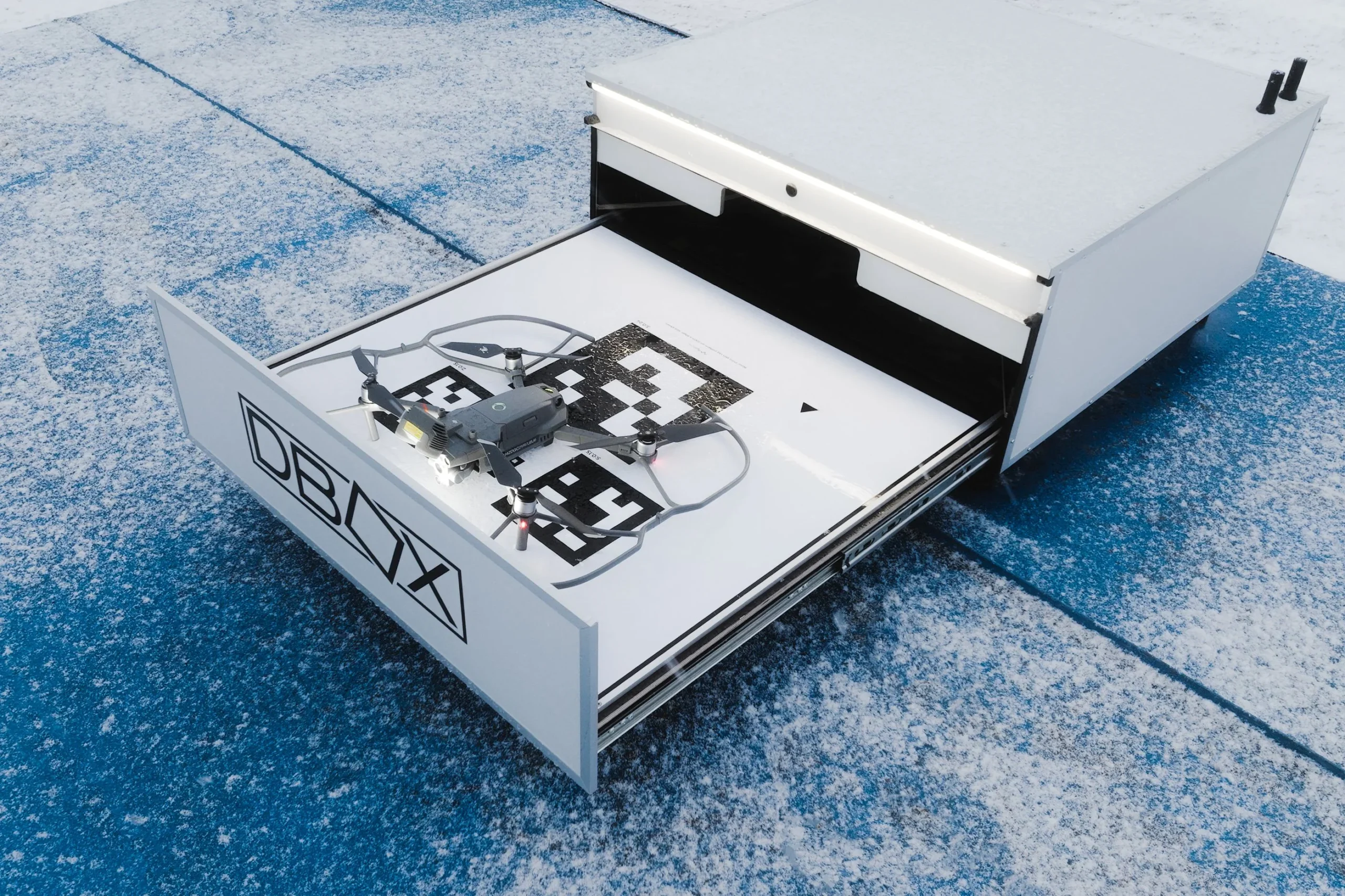
A €28 million European defense initiative is integrating Lithuanian-made autonomous drone systems to pioneer the next generation of military simulation. The DART project, funded by the European Defence Fund (EDF), has selected the Lithuanian-developed ‘Dbox’ system to provide the real-time data necessary for creating high-fidelity ‘digital twins’ of the continent’s defense infrastructure.
This participation marks a significant shift for the Baltic state’s innovation sector, moving from local niche manufacturing to becoming a critical component of a pan-European security ecosystem. The project brings together over 20 entities, including global defense heavyweights such as France’s Dassault Systèmes and Safran Electronics & Defense, alongside Spain’s Indra Sistemas.
The Role of Digital Twin Technology in Modern Defense
The DART project focuses on the development of ‘digital twin’ technology—a sophisticated digital model that mirrors physical assets, from logistics chains and manufacturing plants to airspace platforms. By creating a virtual replica of the entire defense ecosystem, military planners can simulate real-world operational scenarios and test system interactions before physical deployment.
For these simulations to be effective, they require constant, high-accuracy data streams from the field. This is where the Lithuanian ‘Dbox’ system, developed by the firm IT Logika, becomes essential. Dbox is an autonomous drone station that manages the entire flight cycle—takeoff, landing, charging, and data transmission—without the need for a human operator on-site. This allows for continuous monitoring of critical infrastructure and border zones, feeding live data directly into the digital twin environment.
Strategic Investment and European Autonomy
The integration of Lithuanian technology into the DART project is part of a broader European strategy to reduce reliance on external technology providers and bolster internal defense capabilities. The European Defence Fund is the primary vehicle for this transformation, with a multi-billion euro budget designed to foster cross-border collaboration between large defense contractors and agile Small and Medium Enterprises (SMEs).

| Funding Metric | Investment Value |
|---|---|
| Total EDF Budget (2021–2027) | €7.3 Billion |
| Scheduled EDF Investment for 2024 | €1.0 Billion |
| DART Project Total Value | €28 Million |
| Research Phase Funding Rate | Up to 100% |
Martynas Survilas, Head of the Breakthrough Department at Lithuania’s Innovation Agency, suggests that participation in such projects is a validation of the country’s innovation sector. He notes that these initiatives provide both security benefits and significant economic opportunities for smaller nations within the EU framework.
Scaling Innovation Across Borders
While the technology developed in Lithuania and other European nations is increasingly competitive with global leaders, a persistent challenge remains: market implementation. Jurgita Gelažanskienė, Product Development Manager at IT Logika, emphasizes that while Europe is capable of creating advanced technology, the focus must now shift toward the actual deployment of these systems within the internal market.
The EDF’s structure specifically encourages this by covering up to 100% of eligible costs during the research phase. For development and prototyping, EU funding supplements national contributions, with a particular emphasis on integrating SMEs into the supply chains of larger defense projects. This model is intended to ensure that innovations like the Dbox do not remain isolated prototypes but become standardized components of European defense.
As the DART project progresses, the focus will turn toward the integration of these digital models with Permanent Structured Cooperation (PESCO) initiatives. For Lithuania, this represents a continued expansion into high-tech defense sectors, following in the footsteps of its successful laser and space technology firms, such as NanoAvionics and Eksma Optics, which have previously secured EDF support. The success of the Dbox system serves as a template for how regional innovation can address the complex logistical and security challenges facing the broader European continent.
Source: ELTA



Comments