
The Price of a Name: Why Lithuania’s Pop Legend is Fighting in Court

Aleksandras Ivanauskas, better known to generations of Lithuanians by his stage name “Fara,” should by all rights be enjoying a quiet retirement. As the frontman of Rondo, one of the most enduring pop-rock institutions in the Baltic states, his legacy is seemingly secure. Yet, instead of resting on his laurels, the veteran bassist and songwriter finds himself navigating the sterile corridors of courtrooms, defending the very brand he spent four decades building.
The conflict surrounding Rondo is a cautionary tale that resonates far beyond the borders of Lithuania, echoing the bitter trademark disputes seen by Western legacy acts like Bucks Fizz or Pink Floyd. At the heart of the matter is a classic industry betrayal: the moment a dormant brand regains its luster, the ghosts of the past return to claim a stake.
A Seventeen-Year Silence Broken by Success
For nearly twenty years, the Rondo brand was, in Ivanauskas’s words, a name nobody wanted. As band members cycled through and the musical landscape shifted, Ivanauskas remained the sole constant, keeping the group’s spirit alive through changing lineups and evolving tastes. When the time came to formalize the group’s status, he registered the trademark in his own name—a move he describes as a practical necessity for the only remaining member.
“For 17 years, no one cared about how Rondo was doing, or if we were even okay,” Ivanauskas revealed in a recent interview with Delfi TV. “I registered the name because I was the only one left.” However, as the band’s popularity surged again, leading to lucrative anniversary tours and high-demand bookings, former collaborators emerged from the shadows. The dispute isn’t about the music or the art; Ivanauskas is blunt about the motivation: “It’s all about the money.”
This legal friction isn’t an isolated incident in the Lithuanian music scene. Ivanauskas points to the recent public fracture of the popular girl group “69 danguje” as evidence of a systemic issue. As older groups find a second life in the nostalgia market, the lack of formal contracts from their early days creates a vacuum that lawyers are only too happy to fill.
The Reality of a Working Legend
Despite the legal headaches, Rondo remains a powerhouse in the Lithuanian entertainment industry. They are currently one of the highest-paid acts in the country, a fact Ivanauskas mentions not out of vanity, but as a testament to the band’s resilience. Their calendar is a testament to this; even as he reaches retirement age, Ivanauskas faces a summer with almost no free days and has already received multiple offers for high-stakes New Year’s Eve performances.
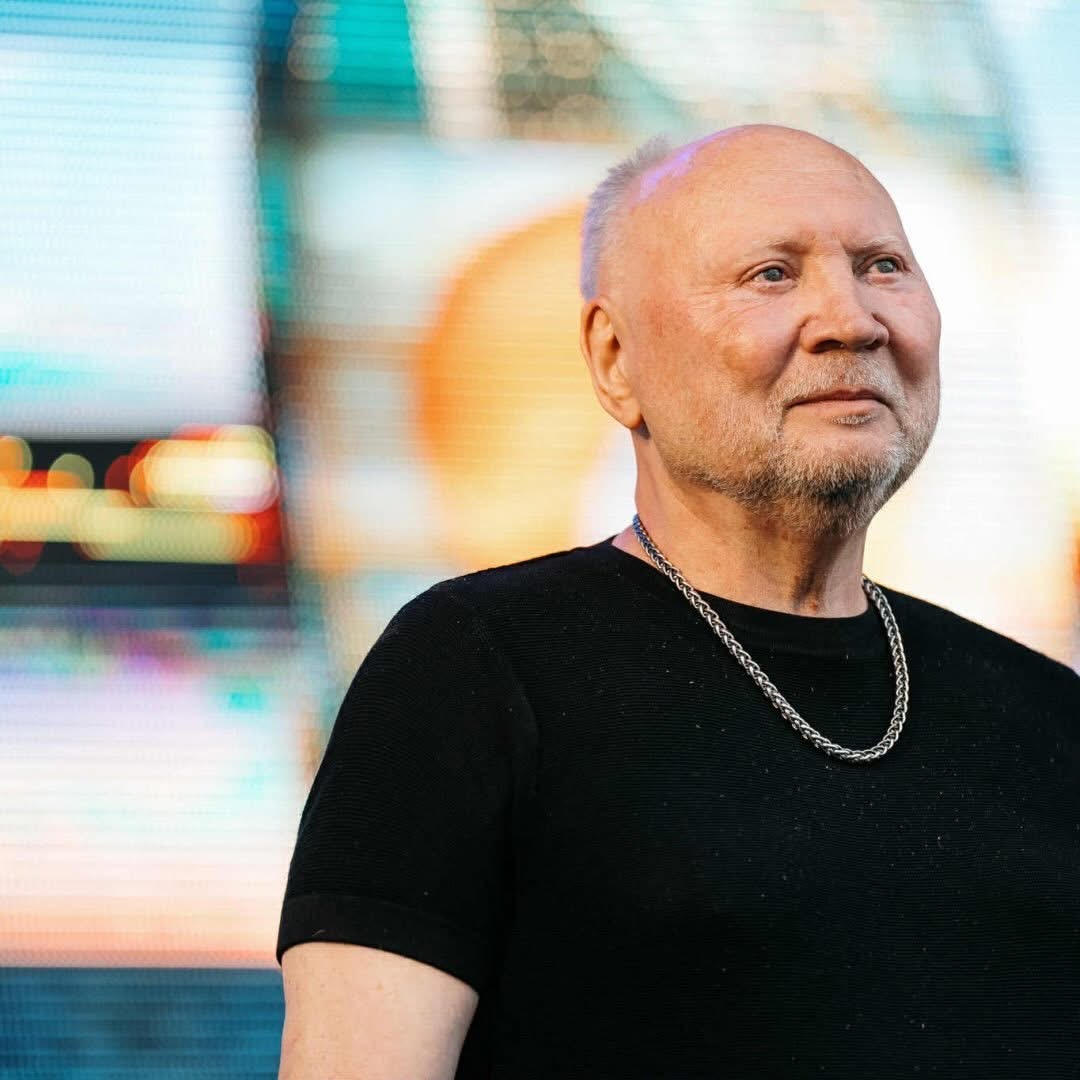
However, the glamorous image of a rock star is one Ivanauskas is quick to dismantle. Behind the romantic ballads that have made him a household name is a man who has been married to his wife, Rima, for nearly 50 years and who admits he is far from the “romantic hero” depicted in his lyrics. He is also candid about the physical toll of a half-century on the road, discussing his health challenges with a pragmatism that is rare in the celebrity world.
Lessons for the Digital Age
Ivanauskas’s primary motivation for speaking out is to warn the next generation of creators. In an era where intellectual property is more valuable than ever, he advises young artists against the “blind trust” that characterized his early career. The camaraderie of a garage band, he suggests, must eventually be backed by the cold reality of legal documentation.
His story serves as a reminder that in the music business, the most difficult performances often happen off-stage. As he continues to fight for the right to use the name he made famous, Fara remains a symbol of the enduring, if complicated, nature of fame in a small but fiercely competitive market.
Original reporting by: elta
Source: ELTA

Comments