
Vilnius to Mark Missing Children’s Day with Symbolic Shoe Installation
In the heart of Vilnius, positioned against the backdrop of the city’s modern skyline at Konstitucijos pr. 25, stands a bronze sculpture of a young girl titled “…Mama!”. On May 25th, this site will serve as the focal point for a poignant commemoration of International Missing Children’s Day, an event designed to blend public awareness with direct community support.
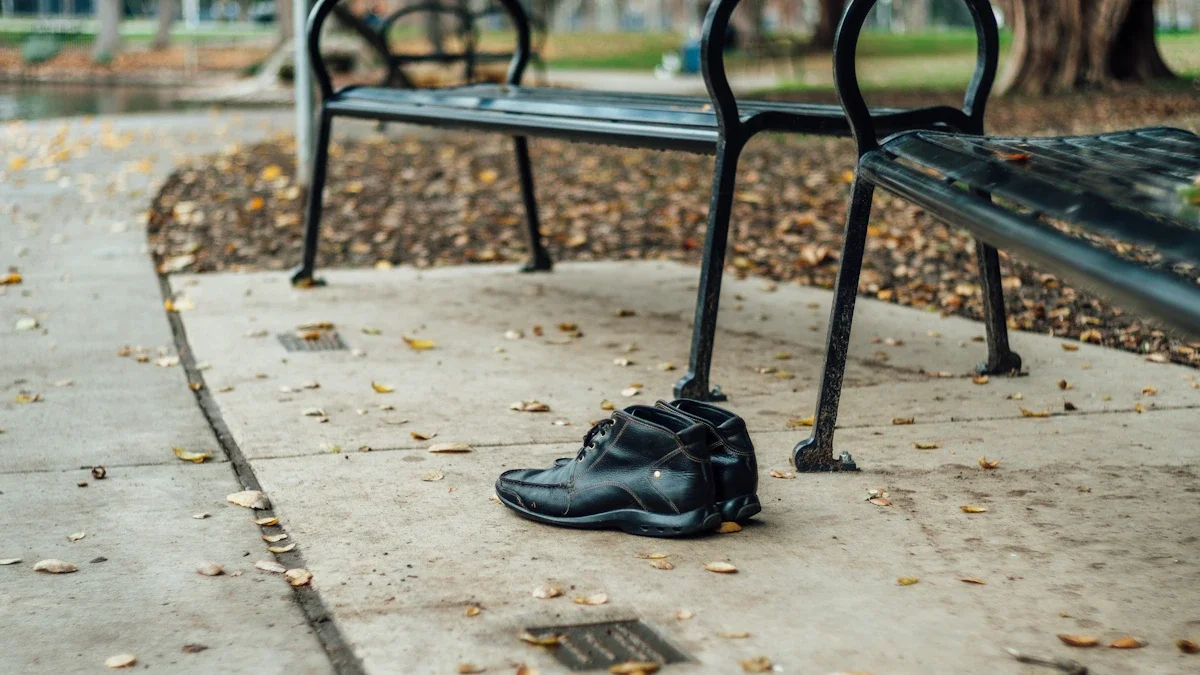
Organized by the Missing Persons Families Support Centre (Dingusių žmonių šeimų paramos centras), the gathering invites the public to participate in a unique symbolic installation. Between 09:00 and 14:00, attendees are encouraged to bring unused children’s shoes and toys to the site. These items will be arranged to create a visual representation of the void left in a home when a child goes missing. However, the initiative carries a dual purpose: once the event concludes, all donated items will be distributed to low-income families, turning symbols of loss into gestures of tangible hope.
A Growing Need for Public Awareness
The scale of the issue in Lithuania remains significant. Official data indicates that approximately 2,000 cases of missing minors are registered annually across the country. While the vast majority of these instances involve children who leave home or care facilities voluntarily due to emotional distress or domestic conflict, the psychological toll on families remains immense.
Statistics show that while criminal abductions are exceedingly rare in the Baltic state, cases of parental abduction following high-conflict divorces are a recurring challenge for local authorities. The event in Vilnius aims to strip away the stigma surrounding these disappearances, emphasizing that every search is vital and no child should be forgotten by the collective consciousness. By bringing police officers and social service representatives to the sculpture site, the organizers hope to foster a space for education and prevention, providing families with the tools to handle emotional crises before they lead to a disappearance.
The Tradition of the Bronze Girl
The sculpture “…Mama!” has become more than just a piece of public art since its installation. It represents a specific cultural tradition of hope that gained international attention in 2016 when it was blessed by Pope Francis. During his visit, the Pontiff offered a prayer for all missing children to find their way home, cementing the site as a place of pilgrimage for those awaiting news of loved ones.

It has since become a local custom for passersby to touch the hands of the bronze girl, a gesture intended to send a silent message of solidarity to families in waiting. This year’s event builds upon that tradition, offering a program that includes educational activities for children and meetings with law enforcement to demystify the work of missing persons units.
Accessing Support and Resources
For those affected by these issues, the Missing Persons Families Support Centre operates as a vital non-governmental link between the public and state institutions. The organization provides psychological and emotional support not only for families of the missing but also for victims of human trafficking and domestic violence.
In Lithuania and across the European Union, the 116 000 hotline remains the primary emergency number for reporting missing children. This free service provides immediate assistance and is part of a broader European network designed to coordinate searches across borders—a critical tool in an era of high mobility. Additionally, the local support line at 0 800 26161 offers specialized emotional support for those navigating the trauma of a disappearance.
As the community gathers in Vilnius this May, the message is clear: prevention through education and the maintenance of a strong social safety net are the most effective tools in ensuring that the “empty shoes” in the installation remain merely symbols, rather than realities for more families.
Source: Vilniaus rajono savivaldybė


Comments