
EU Green Deal Faces Reality Check Amid Rising Agricultural Pressures: what residents need to know
The European Union’s ambitious environmental roadmap, the Green Deal, is facing an unprecedented period of scrutiny as economic volatility and geopolitical instability force a re-evaluation of its implementation pace. While the core objectives of climate neutrality remain legally binding, there is a growing consensus among policymakers that the transition must be tempered with economic realism to prevent the collapse of the continent’s agricultural sector.
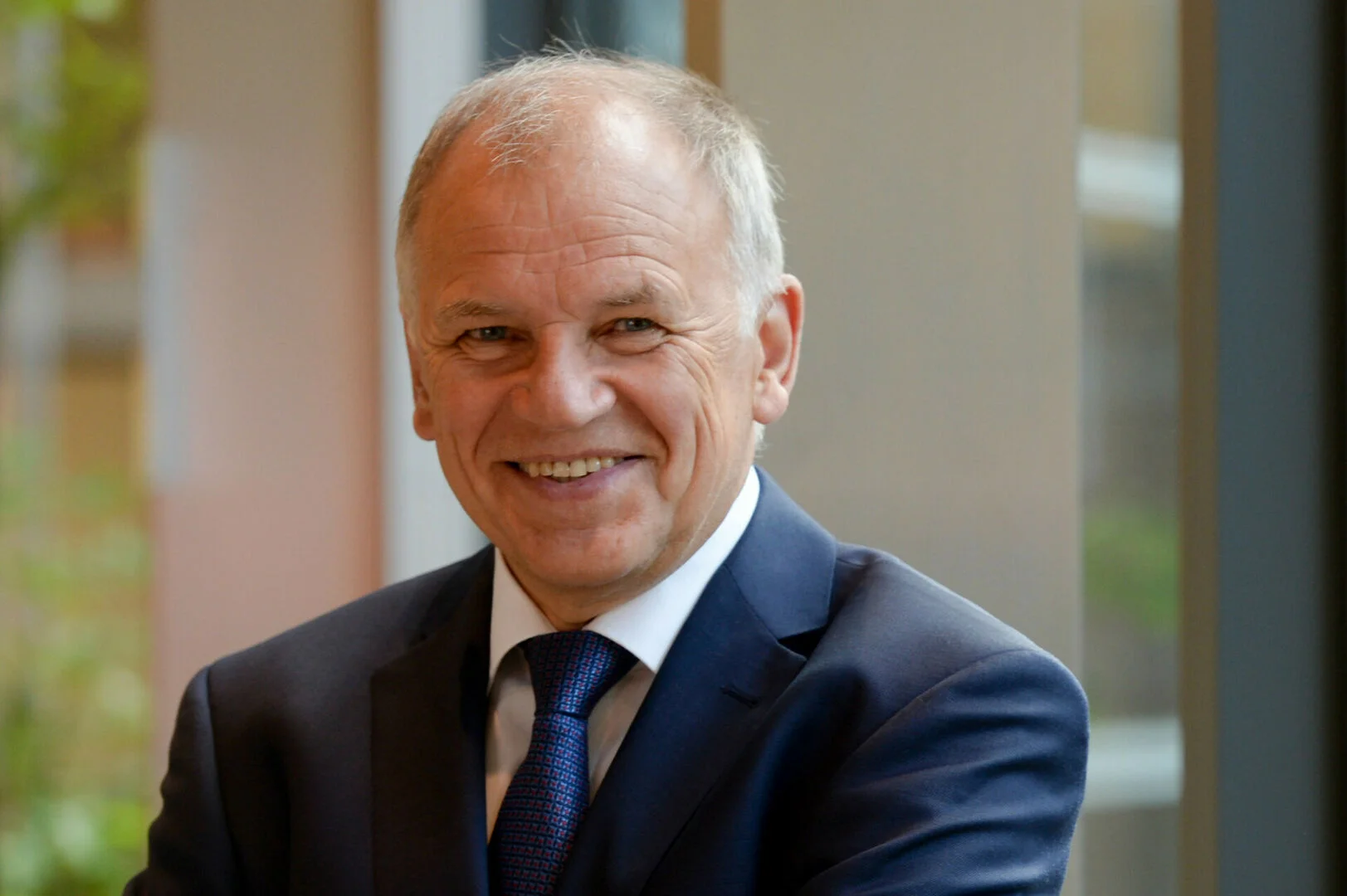
Vytenis Povilas Andriukaitis, a Member of the European Parliament and former EU Commissioner, argues that the Green Deal is neither an absolute good nor an absolute evil but a necessary modernization of the economy. However, he acknowledges that the initial rollout of these policies may have been overly ambitious, with the practical impact on food production chains often assessed in haste. The current landscape—defined by soaring diesel prices, rising fertilizer costs, and labor shortages—has created a friction point where environmental goals meet the hard reality of farm-gate economics.
The Economic Realities of the Green Transition
The legislative framework supporting the Green Deal is robust. The EU Climate Law legally mandates a climate-neutral continent by 2050, while the ‘Fit for 55’ package targets a 55% reduction in greenhouse gas emissions by 2030. Yet, for the farmers on the ground, these targets often translate into increased regulatory burdens at a time when they are most vulnerable to international competition and climate risks.
The ‘Farm to Fork’ strategy, a cornerstone of the Green Deal, aims to slash pesticide and fertilizer use while boosting organic farming. While these goals are designed to ensure long-term food security, the immediate effect has been a rise in production costs. Policymakers are now emphasizing that any further green commitments must be introduced gradually. This shift suggests a move toward providing farmers with tangible alternatives, such as investment support and extended transition periods, rather than immediate, punitive regulations.
Structural Imbalances and the Value-Added Gap
The challenges are particularly visible in member states like Lithuania, which serves as a microcosm for broader European agricultural issues. Despite having a modern and competitive grain sector, the country remains heavily reliant on the export of raw materials. Currently, Lithuania produces twice the amount of grain required for domestic needs, yet it continues to import significant quantities of fruits, vegetables, and even raw milk.
This imbalance highlights a critical flaw in the current system: the lack of local processing capacity to create added value. By exporting raw grain and importing finished or high-value products, the sector misses out on economic buffers that could help offset the costs of green compliance. Transitioning these ‘partially chemicalized’ large-scale farms toward more sustainable practices requires not just regulation, but a structural shift in how agricultural value is captured within the domestic economy.
A Shift Toward Pragmatic Implementation
To address the social and economic friction caused by these changes, the EU has highlighted the Just Transition Mechanism. This instrument is designed to support regions and sectors most dependent on fossil fuels or high-emission industries, ensuring that the move toward a green economy does not exacerbate social inequalities. For the agricultural sector, this means the focus is shifting from ‘what’ the goals are to ‘how’ they are achieved.
The future of the Green Deal likely rests on a ‘healthy balance’—a term now frequently used in Brussels to signal a more pragmatic approach. This involves a commitment to environmental protection that does not sacrifice the economic competitiveness of European farmers. As geopolitical tensions continue to influence energy markets, the EU’s ability to maintain this balance will determine whether the Green Deal remains a viable blueprint for the future or a source of deepening political division.
Source: BNS



Comments