
Klaipėda District Breaks Top 10 in National Quality of Life Rankings
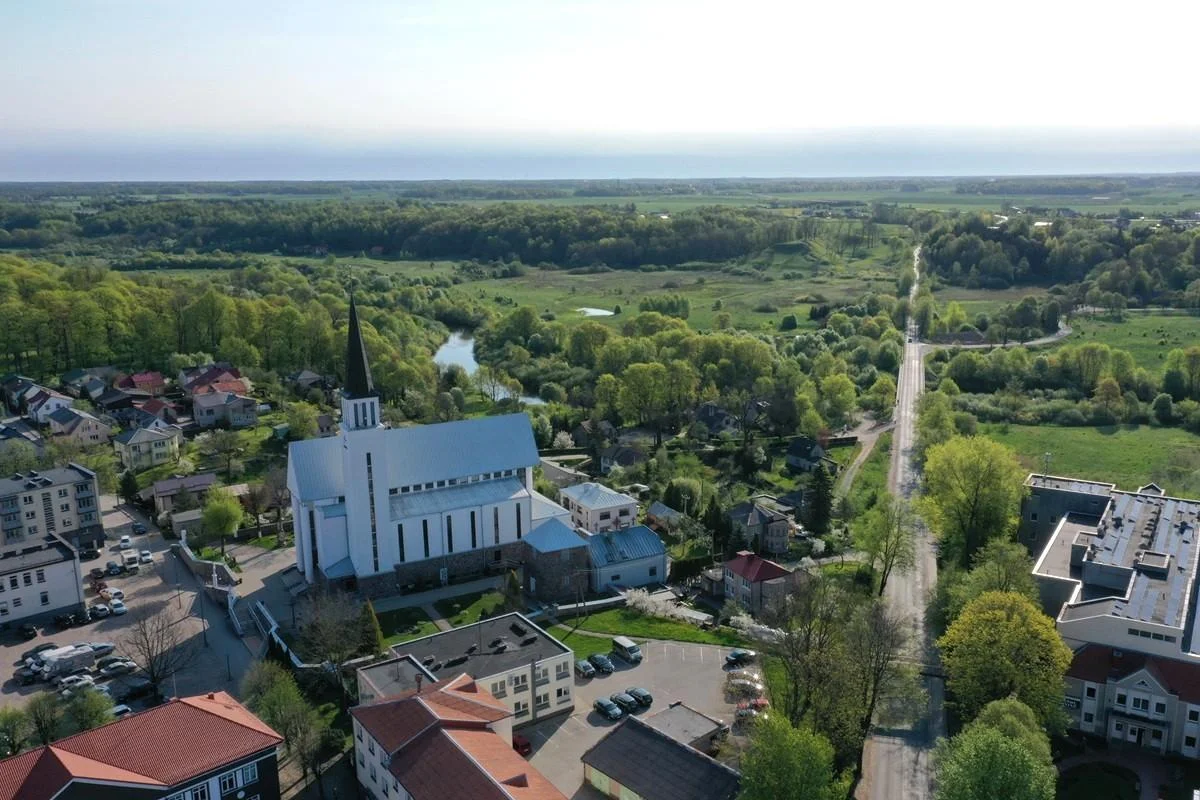
Main details for residents
Klaipėda district has solidified its reputation as one of the most desirable places to live in Lithuania, securing the 8th position in the comprehensive “Municipalities Ranking 2026.” Published by the news portal Delfi and the magazine Reitingai, the study provides a granular look at the socio-economic health of the nation’s 60 administrative regions. Scoring 644.03 out of a possible 1,000 points, the district has outperformed many of its peers by balancing rapid demographic growth with economic stability.
The ranking is not a mere popularity contest; it is a data-heavy assessment based on 140 different indicators across 12 distinct sectors. These sectors are weighted by importance, meaning that areas like employment and demographics carry more weight than others. For Klaipėda district, the results highlight a successful transition from a predominantly rural area to a modern, suburban-industrial hub that serves as a vital component of the Western Lithuanian economy.
Data Breakdown: Performance by Category
The following table illustrates how the Klaipėda district performed in its highest-ranking categories, reflecting its strengths in growth and environment:
| Category | National Rank | Score (Actual / Max) |
|---|---|---|
| Demographics | 2nd | 63.90 / 70 |
| Employment & Income | 6th | 51.04 / 70 |
| Environment & Sustainability | 7th | 62.64 / 90 |
| Health | 10th | 92.23 / 130 |
| Economy | 10th | 55.38 / 120 |
The standout figure is the district’s 2nd place finish in the demographics category. In the context of the wider Baltic region, which has historically struggled with population decline and emigration, this is a remarkable feat. It suggests a high birth rate and, more significantly, a strong “pull factor” for young families relocating from the urban center of Klaipėda city. This “ring municipality” phenomenon is common in growing European economies, where residents seek the space of the suburbs while maintaining access to urban job markets.
However, these numbers come with necessary caveats. A high demographic rank often puts immense pressure on local infrastructure. While the district scores well in “Health” (10th place), the rapid influx of residents can outpace the construction of new clinics and schools. Furthermore, the 10th place in “Economy” suggests that while people are moving there and earning well (6th in income), the district still relies heavily on the industrial and logistics sectors tied to the nearby port, rather than a fully diversified local business ecosystem.
Mayor Bronius Markauskas noted that the ranking is both an achievement and a mandate. He emphasized that the focus remains on creating a “family-friendly” environment, stating that the results prove that purposeful work in improving public services and the living environment is yielding tangible results. For international observers and potential investors, these rankings serve as a de-facto barometer for regional livability. They indicate where the workforce is concentrating and which local governments are managing growth effectively.
Ultimately, the 2026 ranking confirms that Klaipėda district has successfully decoupled its identity from being just a “neighbor” to the port city. By ranking in the top ten across five critical categories, it has established itself as a primary destination for those seeking a balance between economic opportunity and environmental quality. The challenge for the coming years will be maintaining this pace of growth without sacrificing the very sustainability and quality of life that attracted residents in the first place.
Source: Klaipėdos rajono savivaldybė



Comments