
Anykščiai Youth Talent Selected for Historic 2026 Song Festival
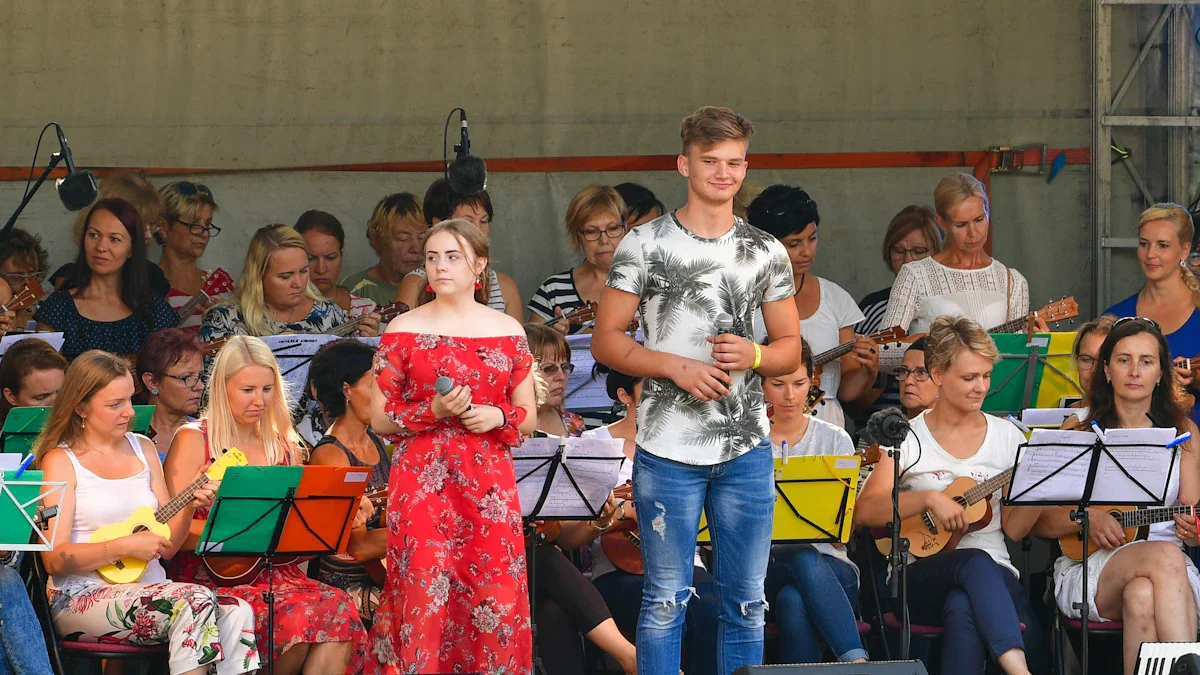
Seven youth ensembles from the Anykščiai region have successfully passed the rigorous national selection process to represent their district at the 2026 Lithuanian Student Song Festival. The event, titled “Laiku. Ratu. Kartu” (In Time. In a Circle. Together), is scheduled to transform the capital city of Vilnius into a hub of traditional music and dance from July 3–6, 2026.
The selection of these seven groups follows a period of intense preparation and evaluation by national experts. Dainius Numgaudis, Director of the National M. K. Čiurlionio School of Art, recently confirmed the high artistic standard achieved by the Anykščiai performers, noting that the region’s contribution reflects a deep commitment to preserving Lithuania’s unique intangible cultural heritage.
Local Ensembles Leading the Way
The groups selected to represent Anykščiai include a diverse range of disciplines, from traditional choral singing to folk dance and ancient instrumentation. The confirmed participants are:
- The Anykščiai Jonas Biliūnas Gymnasium skudutininkai ensemble (traditional panpipes).
- The Anykščiai Art School traditional kanklės ensemble and their junior choir.
- Three collectives from the Anykščiai Culture Centre: the “Laumakėlės” kanklės ensemble, the “Vijurkas” youth folk dance group, and two age groups from the “Gojus” folk dance ensemble.
- The Anykščiai Antanas Baranauskas Primary School junior choir (grades 1–3).
For these young performers, the selection is more than just a performance opportunity; it is a validation of years of rehearsal and a dedication to the “kanklės” (a traditional Baltic string instrument) and the “skudučiai” (wooden panpipes), which are central to the Lithuanian folk identity.

A Tradition Recognized by UNESCO
To understand the significance of this event for a UK audience, the Lithuanian Song and Dance Festival tradition—shared with Estonia and Latvia—is inscribed on the UNESCO Representative List of the Intangible Cultural Heritage of Humanity. Often compared to the Welsh Eisteddfod but on a massive national scale, these festivals were instrumental during the “Singing Revolution,” where choral music became a peaceful tool of resistance against Soviet occupation.
The 2026 festival, “Laiku. Ratu. Kartu,” aims to bridge the gap between historical tradition and the modern youth experience. It is expected to draw thousands of performers not only from within Lithuania but also from the global diaspora, including Lithuanian communities in the United Kingdom, North America, and across Europe.
The Road to Vilnius 2026
The four-day programme in Vilnius is designed to showcase different facets of the nation’s artistic soul. The festivities will begin on July 3 with the “Labas, Vilniau” (Hello, Vilnius) parade along Gediminas Avenue, followed by a brass band concert in Cathedral Square.

Subsequent days will feature accordion marathons at St. John’s Church and the highly anticipated “Ensemble Evening” at the Kalnai Park stage, where music, light, and choreography blend into a theatrical narrative. The festival will reach its zenith on July 6—Lithuania’s Statehood Day—at Vingis Park. At 9:00 PM local time, the performers will join millions of Lithuanians worldwide in singing the national anthem, “Tautiška giesmė,” creating a simultaneous global circle of song.
Local authorities in Anykščiai have called on the community to support the students as they enter the final eighteen months of preparation. For the teachers and choreographers involved, the festival represents a vital link in passing cultural DNA to the next generation, ensuring that ancient melodies remain relevant in a digital age.
Source: Anykščių rajono savivaldybė



Comments