
Latvia Ends Airspace Alert Following NATO Border Incident

The Latvian National Armed Forces (NBS) have officially declared an end to the immediate airspace threat that had placed several eastern border regions on high alert. The announcement follows a period of intense monitoring in the Rēzekne, Ludza, Balvi, and Krāslava municipalities, areas that sit directly on the European Union’s and NATO’s eastern frontier.
While the specific nature of the alert was managed with military discretion, the NBS confirmed that the potential danger has subsided. However, the conclusion of this specific incident does not signal a return to the pre-war status quo. Military officials emphasized that as long as Russia’s full-scale invasion of Ukraine continues, the risk of foreign unmanned aerial vehicles (UAVs) entering or approaching Latvian territory remains a persistent reality.
Strengthening the Eastern Frontier
In response to the evolving security landscape, the Latvian military has significantly bolstered its presence along the eastern border. This reinforcement includes the deployment of additional air defense units and specialized monitoring equipment. The NBS stated that these measures are designed to ensure an immediate response to any future incursions, reflecting a shift from passive surveillance to active deterrence.
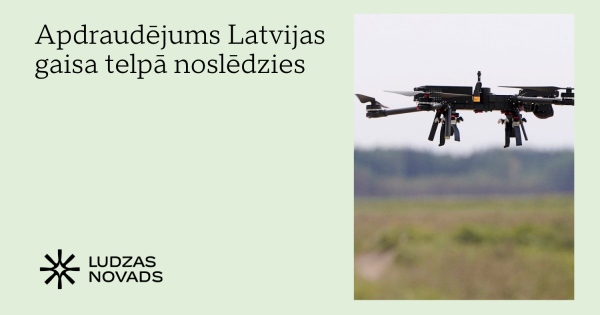
This move comes at a time of heightened sensitivity for the Baltic states. The regions of Rēzekne and Ludza, in particular, have recently been the focus of international attention following incidents where military-grade drones, straying from their intended targets in Ukraine, have crashed on Latvian soil. By increasing the density of air defense assets, Latvia aims to provide a safety net not just for its own citizens, but for the integrity of the wider NATO airspace.
Collaborative Surveillance with NATO Allies
The NBS highlighted that their operations are not conducted in isolation. The monitoring of Latvian airspace is a continuous, 24/7 effort performed in close coordination with NATO allies. This collective approach utilizes a sophisticated network of radar and intelligence-sharing protocols designed to identify and track objects from the moment they approach the alliance’s borders.
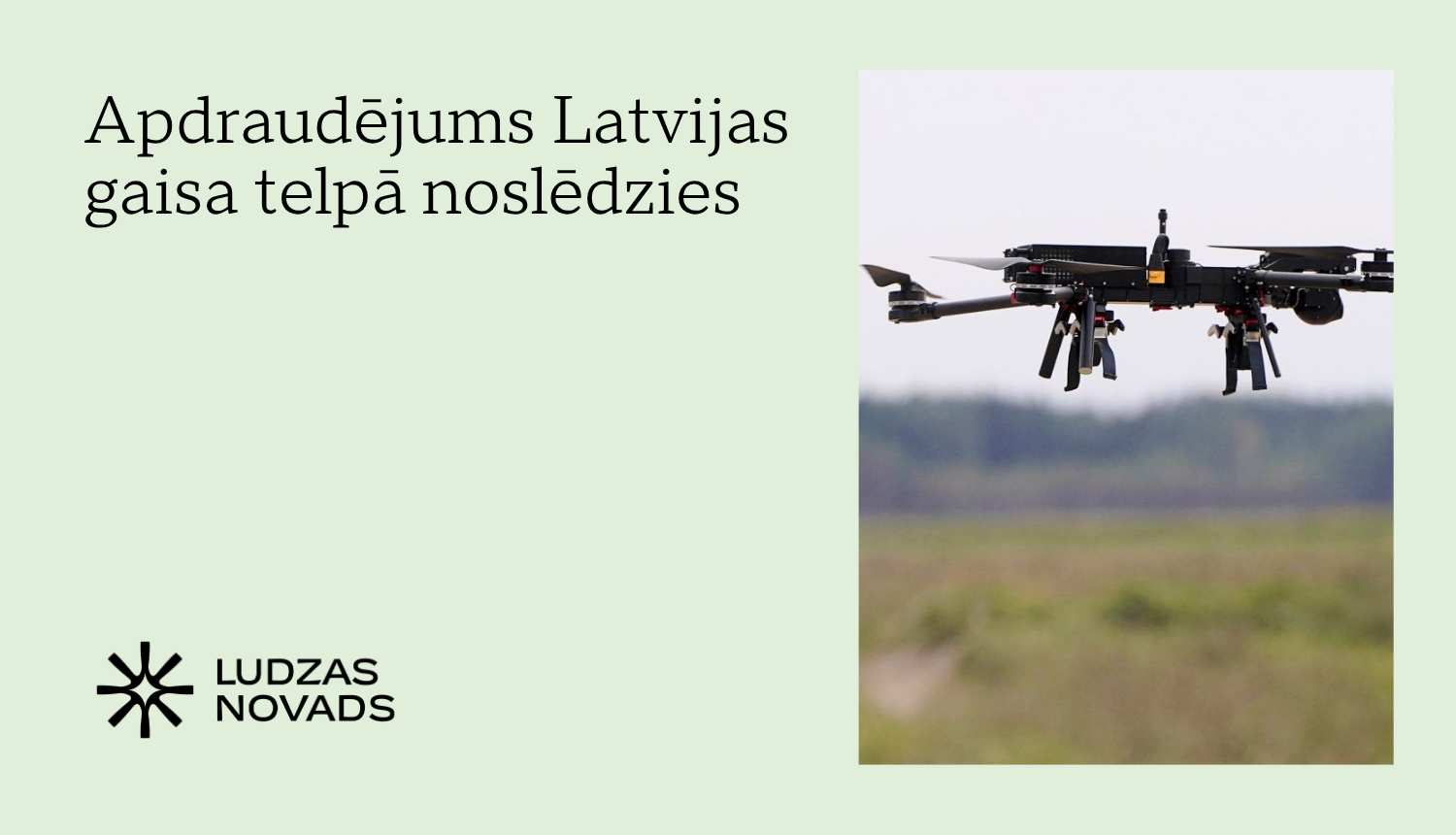
For residents in the eastern borderlands, the sight of increased military movement and the sound of surveillance aircraft have become more common. Local authorities in Ludza and Krāslava have been working to keep the public informed, though the military maintains that operational security often limits the amount of real-time data that can be shared during an active alert. The primary objective remains the prevention of any escalation while maintaining a robust defensive posture.
Ongoing Vigilance in a Conflict Environment
The Latvian Ministry of Defence and the NBS Joint Headquarters have reiterated that the end of this specific alert does not mean a relaxation of security protocols. The proximity of the conflict in Ukraine means that the technical and human errors associated with long-range drone strikes can easily spill over into neighboring states.
Latvia has been a vocal advocate for a more permanent NATO air defense presence in the Baltics, often referred to as a “rotational model” for ground-based air defenses. Until such a permanent framework is fully realized, the NBS continues to rely on its reinforced domestic capabilities and the support of the NATO Baltic Air Policing mission. For now, the message to the international community and the local population is one of guarded stability: the immediate threat has passed, but the watch on the eastern border continues unabated.
Source: Ludzas novada pašvaldība




Comments